
A child who pauses to inspect a ladybird, turns a cardboard box into a shop, or proudly pours their own water is doing far more than passing the time. They are building the habits that support learning for years to come. For families considering early education, the child-centred preschool benefits are found in these everyday moments: children feel known, capable and excited to take part in the world around them.
What does child-centred preschool mean?
A child-centred preschool begins with a simple belief: each child is an individual with their own interests, pace, personality and strengths. Rather than expecting every child to learn in exactly the same way at exactly the same moment, trained teachers observe carefully and shape meaningful experiences around children’s developmental needs.
This does not mean children are left without structure. A high-quality child-centred setting has thoughtful routines, clear boundaries and purposeful learning goals. The difference is in how those goals are reached. A teacher may use a child’s fascination with vehicles to introduce counting, descriptive language, problem-solving and collaborative play. Another child may develop the same skills while tending plants, creating a story or building a den outdoors.
Children are given appropriate choices within a secure framework. They can select materials, share ideas, try again when something is difficult and gradually take responsibility for small parts of their day. This balance of freedom and guidance helps young learners feel safe enough to explore.
The child-centred preschool benefits that matter most
Independence grows through real responsibility
Young children want to do things for themselves, even when it takes a little longer. Putting on shoes, choosing a book, helping to tidy a learning area or serving a snack can seem small to adults, but each task sends an encouraging message: “You can do this.”
In a child-centred environment, teachers make space for these moments rather than rushing through them. Children develop practical confidence, perseverance and a sense of ownership. They learn that mistakes are part of trying, not a reason to stop.
This confidence often carries beyond the classroom. Parents may notice a child becoming more willing to speak for themselves, attempt new tasks at home or manage everyday transitions with greater calm. Independence is not about making children grow up too quickly. It is about helping them trust their own growing abilities.
Social confidence develops naturally
Preschool is often a child’s first regular experience of belonging to a group beyond their family. Learning to wait for a turn, join a game, express a disagreement kindly and notice another person’s feelings takes practice. It cannot be learnt only through instruction.
Child-centred practice gives children many chances to build these skills during play, shared projects and conversations. A teacher is close by to model language, guide conflict fairly and support quieter children in finding their place. Over time, children learn that their voice matters, and that other people’s voices matter too.
This is especially valuable for children who are shy, highly energetic or still developing confidence with language. There is no single correct way to participate. Some children begin by observing, while others are ready to lead. Sensitive educators recognise both as meaningful stages of social development.
Curiosity becomes a habit, not just a phase
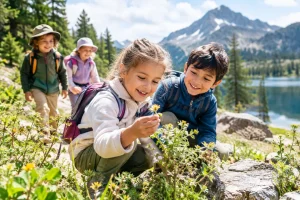
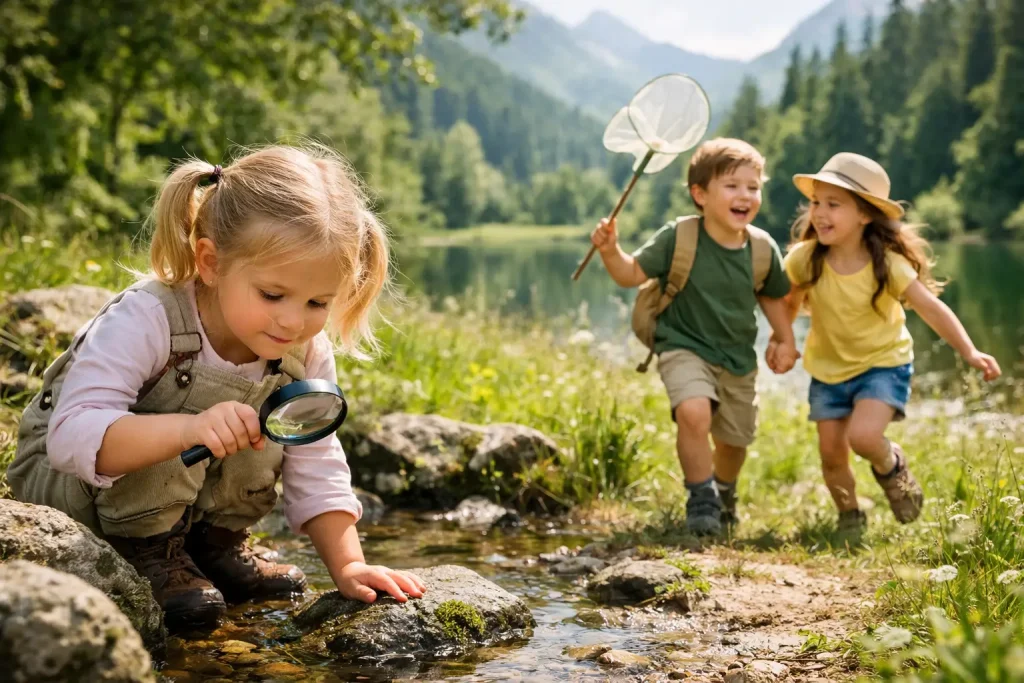
Children are born curious. They ask why the puddle disappeared, how a seed becomes a flower and whether a tower can be taller than they are. A child-centred preschool treats these questions as the beginning of learning.
Instead of moving quickly towards a right answer, teachers encourage children to test ideas, predict what might happen and describe what they notice. They may offer new materials, pose a gentle question or invite a group to investigate together. This develops early thinking skills without taking away the joy of discovery.
The goal is not for every activity to look impressive at the end. Sometimes the richest learning comes from a messy experiment, a construction that falls down or a story that changes direction halfway through. When children see that their ideas are welcomed, they become more willing to think creatively and persist with a challenge.
Nature supports calmer, fuller learning
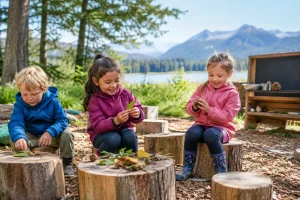
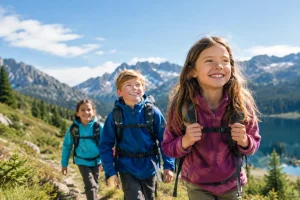
Outdoor learning is a powerful part of a child-centred approach, particularly when children have access to generous green spaces and time to use them well. The outdoors offers movement, changing weather, natural textures and discoveries that cannot be copied completely at a table.
Climbing, balancing, digging and carrying help children strengthen their bodies and develop coordination. Looking closely at leaves, insects and shadows invites scientific thinking. Group games and imaginative outdoor play encourage negotiation, language and teamwork.
Nature also gives children room to reset. For a child who finds busy indoor spaces overwhelming, a quiet moment observing the trees or working with sand and water can bring comfort and focus. Outdoor learning is not simply a break between lessons. It is a rich classroom in its own right.
Early academic readiness feels meaningful
Parents rightly want to know that preschool will prepare their child for the next stage of education. A child-centred approach supports this preparation by connecting foundational skills to real experiences.
Early literacy may grow through songs, storytelling, name recognition, mark-making and conversations about books. Mathematical thinking can emerge while sorting shells, sharing cups at snack time, comparing lengths of sticks or counting steps. Children gain the listening skills, vocabulary, concentration and fine motor control that support later formal learning.
The pace matters. Introducing concepts before a child is ready can create unnecessary pressure, while waiting passively can miss opportunities for growth. Skilled teachers strike a responsive balance. They extend a child’s learning when interest is present and offer reassurance when a task feels too demanding.
What a child-centred day can look like
A purposeful preschool day has a reassuring rhythm. Children may arrive to welcoming activities, gather for songs or conversation, explore thoughtfully prepared learning areas, spend time outdoors and share meals or stories with friends. Within that rhythm, there is room for children’s questions and choices to shape the day.
Teachers are active participants, not distant observers. They listen closely, introduce language, demonstrate skills and document progress. If a group becomes absorbed in building bridges, an educator might bring in photographs, measuring tools or a story about travel. If children show interest in the changing weather, the learning may move outdoors to collect evidence first-hand.
This is why a child-centred preschool is not the same as unplanned free play. Play is valued, but it is supported by professional observation, intentional teaching and an understanding of child development.
Choosing a preschool that lives this approach
When visiting a preschool, look beyond colourful displays and polished facilities. Notice how educators speak to children. Are they at the child’s level, patient in their responses and genuinely interested in what children are saying? Watch whether children have opportunities to make age-appropriate choices and whether their work reflects individual ideas rather than identical adult-made outcomes.
Ask how the school observes progress, supports friendships and responds when children need extra reassurance or challenge. It is also worth asking how outdoor spaces are used. A garden is most valuable when it is part of regular learning, not merely a place for a short run-around.
For families in Johor Bahru, Alpine Preschool brings these elements together through a staged pathway for children aged two to seven. Its purpose-built environment, trained teachers, outdoor classrooms and play-based curriculum create space for children to flourish with nature while developing the foundations they need for school and life.
The best early years setting will feel both warm and purposeful. Your child should be free to wonder, create and grow at their own pace, with caring adults nearby to turn each small discovery into a meaningful step forward.