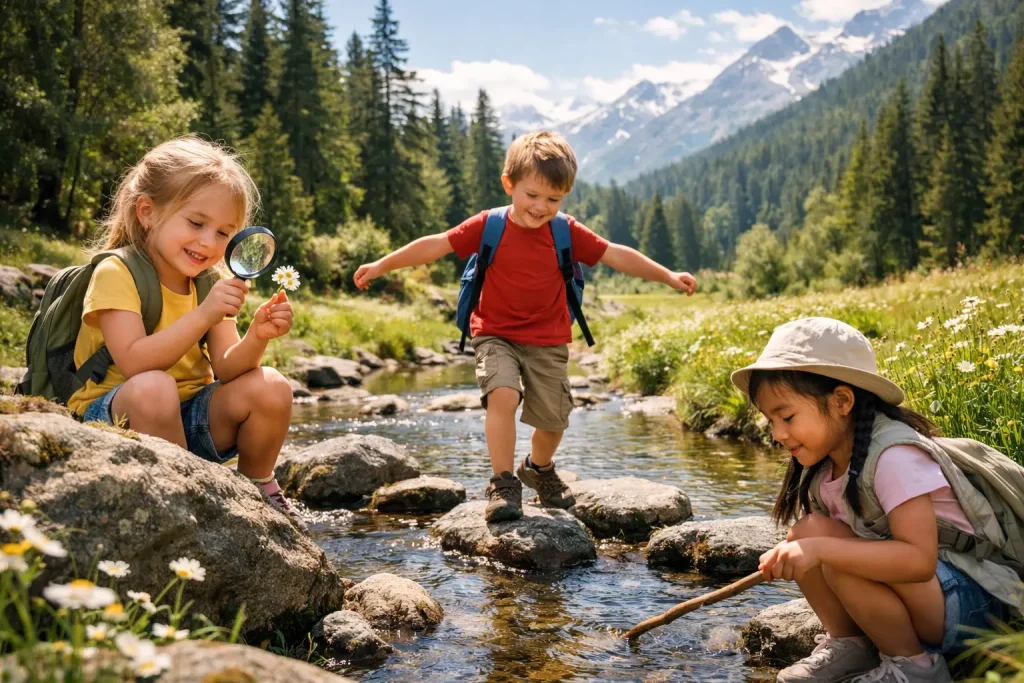
A child’s first school experience can shape how they feel about learning for years to come. The most meaningful private preschool benefits are not simply smaller classrooms or attractive facilities. They are found in the daily moments when a child feels safe enough to ask a question, confident enough to try again, and excited enough to run outside and discover something new.
For families choosing an early years setting, the decision is deeply personal. Parents want more than a place for their child to spend the day. They want a warm, well-organised environment where trained adults understand childhood, routines feel reassuring, and learning is full of purpose and joy.
Private preschool benefits for whole-child development
The early years are a remarkable period of growth. Children are learning to communicate their needs, manage big feelings, build friendships, move their bodies with confidence, and make sense of the world around them. A quality private preschool can support these developments together, rather than treating academic readiness as the only measure of progress.
A thoughtfully designed programme recognises that children learn through play, movement, conversation, repetition and hands-on experiences. When a child sorts natural objects by shape, listens to a story, builds a den with friends or helps prepare materials for an activity, they are developing far more than one skill. They are practising language, concentration, problem-solving, collaboration and independence.
This whole-child approach gives children room to flourish at their own pace while still providing the structure they need. Clear routines, purposeful learning invitations and caring boundaries help young children feel secure. From that security comes confidence.
Learning that follows developmental milestones
Children aged two to seven do not all need the same thing from their school day. A younger child may be building confidence to separate from a parent, use words to express feelings or join a small group. An older kindergarten child may be ready to extend early literacy, number sense, memory and reasoning through more focused activities.
A staged pathway can make this progression feel natural. Playgroup, Nursery and Kindergarten programmes should each offer appropriate challenge without rushing childhood. The aim is not to make children grow up too quickly. It is to give them the experiences and encouragement that help them become ready for what comes next.
When teachers observe children closely, they can adapt activities to their interests and needs. A child fascinated by insects might be encouraged to draw what they see, count legs, learn new vocabulary and care for a small outdoor habitat. Curiosity becomes a starting point for meaningful learning.
A nurturing relationship with trained teachers
For young children, relationships come first. They learn best when they trust the adults around them and feel seen as individuals. One of the strongest benefits of a high-quality private preschool is the opportunity for teachers to build genuine connections with children and families.
Trained early years educators understand that a child’s behaviour is often communication. A quiet child may need gentle time to settle. A child who struggles to share may need support naming their feelings and finding a fair solution. A child who races through an activity may be ready for a new challenge.
This responsive guidance helps children develop emotional literacy and self-regulation. Instead of being told only what not to do, they learn how to take turns, ask for help, resolve small disagreements and recover after disappointment. These are essential foundations for school and for life.
Regular communication with parents matters too. Families gain a clearer picture of their child’s interests, milestones and growing independence. The best school-parent partnerships feel like a shared commitment to the child’s wellbeing, not a one-way report at the end of the term.
Nature and outdoor classrooms make learning memorable
A purpose-built classroom is valuable, but childhood should not be confined to four walls. Green outdoor spaces offer children a different kind of education: one that engages their senses, strengthens their bodies and invites them to notice the changing world around them.
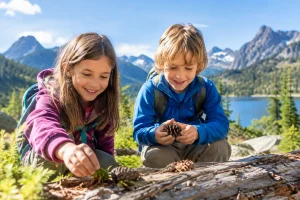
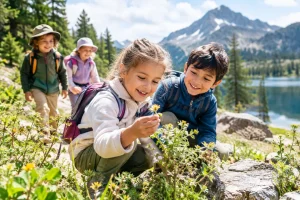
Outdoor learning may look simple from a distance. Children might be collecting leaves, balancing on stepping stones, digging in soil or watching clouds move across the sky. Yet these experiences support coordination, resilience, imaginative thinking and scientific curiosity. The uneven ground of a garden asks a child to assess risk and adjust their movement. A rainy-day puddle invites questions about water, depth and reflection.
Nature also creates a calmer rhythm. Children who spend time outdoors often have opportunities to release energy, reset their attention and return indoors ready for quieter work. For children who find sitting still difficult, active learning can be especially valuable.
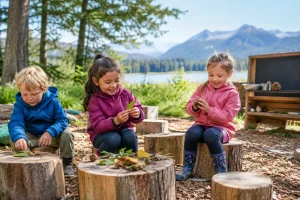
At Alpine Preschool, outdoor classrooms and expansive green spaces are part of creating meaningful childhood experiences, not an occasional extra. Excursions and holiday camps can extend this sense of discovery, giving children fresh settings in which to practise independence and curiosity.
Social confidence grows through everyday experiences
Friendships in preschool are rarely perfect, and that is part of their value. Young children learn social skills by experiencing the small challenges of being in a group: waiting for a turn, entering a game, sharing a favourite resource and recognising that another child may have a different idea.
A supportive preschool does not expect children to manage these moments alone. Teachers model kind language, help children listen to one another and guide them towards solutions. Over time, children begin to use these strategies independently.
A diverse school community can broaden a child’s understanding of others. Meeting classmates with different family traditions, languages and experiences helps children learn that there are many ways to live, celebrate and communicate. When diversity is approached with warmth and respect, kindness becomes something children practise daily.
School readiness without pressure
Many parents naturally wonder whether their child will be ready for primary school. Readiness includes early phonics, handwriting, number awareness and the ability to follow instructions, but it is much broader than a worksheet or a memorised answer.
A child who can listen during group time, put on their own shoes, ask a question, persist with a tricky task and join peers in play is building a powerful foundation for future learning. These capabilities support academic progress because they help children participate confidently in the classroom.
A strong private preschool curriculum combines intentional teaching with play-based exploration. Children may learn letter sounds through stories, songs and tactile materials, or develop mathematical thinking while measuring ingredients, sorting objects and building structures. The learning is structured, but it remains connected to how young children naturally engage with the world.
The right balance depends on the child. Some children are eager for more formal challenges; others need time to strengthen confidence, language or social skills first. Families should look for a setting that respects both developmental expectations and individual pace.
What to consider when choosing a private preschool
Private education can offer meaningful advantages, but not every school will be the right fit for every family. Fees, location, daily schedules and practical arrangements all matter. More importantly, parents should look beyond polished brochures and ask what a typical morning feels like for a child.
During a visit, notice whether children appear relaxed and engaged. Observe how teachers speak to them, how outdoor areas are used, and whether learning materials invite children to explore. Ask about staff qualifications, safeguarding, class routines, communication with families and how the school supports children who need extra time to settle.
It is also worth asking how the curriculum develops across the years. A clear educational journey helps parents understand how playgroup experiences connect to nursery learning and how kindergarten prepares children for their next school chapter. Consistency gives children a reassuring sense of belonging as their capabilities grow.
The best choice is one where your child can be both cared for and challenged: free to be wonderfully young, while steadily becoming more capable. When a preschool honours curiosity, builds kind relationships and makes room for muddy shoes, thoughtful questions and proud little achievements, it offers a childhood experience that can stay with a child long after the school day ends.