


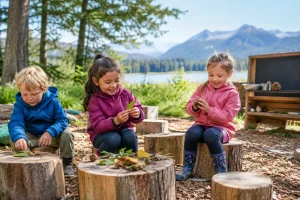

The first morning can arrive with one small hand gripping yours tightly, a carefully chosen water bottle, and feelings far bigger than the school bag. Learning how to ease first school days is not about making every tear disappear. It is about giving your child enough familiarity, reassurance and gentle practice to feel safe as they begin a wonderful new chapter.
For children aged two to seven, starting a new class is a meaningful transition. They are meeting new adults, sharing space with other children, adapting to routines and spending time away from home. Even a confident child may become quieter, clingier or more tired for a little while. With calm preparation and a trusting partnership between home and school, those early days can become the beginning of curiosity, friendship and growing independence.
How to Ease First School Days Before Term Begins
Children cope best with change when parts of the experience feel predictable. In the days before school starts, talk about what their morning may look like in simple, positive language. Describe arriving at the gate, putting their bag away, greeting their teacher, playing outdoors, having a snack and coming home afterwards. Avoid turning the conversation into a long explanation. A few warm, repeated details are more comforting than a full timetable.
If possible, visit the setting together before the first day. Let your child notice the classroom, the toilets, the garden and the entrance where you will say goodbye. For a young child, knowing where their shoes go or where they can wash their hands can make a large new place feel manageable. At Alpine Preschool, outdoor spaces and purposeful learning areas can give children natural points of connection – a favourite tree, a sand area or a colourful creative corner can become a reassuring landmark.
It also helps to practise practical moments at home. Encourage your child to open their lunchbox, pull down their trousers for the toilet, put on their shoes and ask for help when they need it. They do not need to do everything independently before they start. The aim is simply to build the quiet confidence that comes from trying.
Create a gentle rhythm at home
A sudden change in sleep, meals and morning pace can make the first week feel harder than it needs to. Begin moving bedtime and wake-up time closer to the school routine several days beforehand. Keep evenings unhurried where you can, with time for a bath, a story and connection.
Prepare clothes and bags together the night before. Let your child choose between two suitable options, such as which socks to wear or which piece of fruit to pack. Small choices offer a welcome sense of control without placing the responsibility for the whole morning on them.
Make Goodbyes Loving, Clear and Short
The goodbye is often the part parents worry about most. It can be tempting to stay until your child is completely settled, yet long or uncertain departures can sometimes make separation feel more difficult. Children take their cues from the adults they trust. When you are calm and clear, you show them that school is a safe place and that you believe they can manage this next step.
Create a simple goodbye ritual that you can repeat each day. It might be a cuddle, a kiss, a high-five and the same phrase: “I love you. Your teacher will look after you. I will see you after lunch.” Keep your promise about when you will return, using language your child understands rather than a clock time. “After your afternoon play” is often more meaningful than “at three o’clock”.
If your child cries, acknowledge the feeling without suggesting that school is something to fear. You might say, “You wish I could stay. It is hard to say goodbye. Your teacher is here with you, and I will be back after school.” Then hand them over warmly and leave as agreed. Most children settle more quickly once they can engage with a familiar teacher, an activity or another child.
This does not mean every child needs the same approach. Some children benefit from a short settling-in period; others walk in happily but show their emotions at home later. Share what you notice with the teacher, especially if your child has a comfort object, a particular worry or a change at home that may affect them.
Let Play Do Its Important Work
Young children often process big changes through play rather than conversation. At home, you may notice teddy bears going to school, dolls being dropped off, or your child becoming the teacher. Join in when invited. Let them lead the story, and listen for what they are trying to understand.
You can gently introduce reassuring ideas through the game. Perhaps the teddy misses home, then finds a friend to build blocks with. Perhaps the teacher helps the doll find the bathroom. There is no need to force a happy ending. The value lies in giving your child a safe way to express their feelings and rehearse a new experience.
Books about starting school can also help, particularly when read more than once. Pause to ask open questions: “How do you think this child feels?” or “What might help them?” If your child says they feel worried, resist the urge to immediately correct it with “Don’t worry.” Instead, try: “It makes sense to feel a bit worried when something is new. We can think about what will help.”
Keep the First Weeks Spacious
The first school days ask a great deal of children, even when they appear cheerful. New sounds, social rules, physical activity and learning experiences can leave them tired and emotionally full. Where possible, keep the first weeks light on extra commitments. A quiet afternoon at home, some outdoor play and an early bedtime may be far more valuable than another busy outing.
Expect behaviour to shift a little. A child who has held themselves together all day may have a tearful or grumpy moment after collection. This is not a sign that school has gone badly. Home is where children often feel safest to release the effort of adapting. Offer a snack, closeness and time to decompress before asking many questions.
Rather than “What did you do today?”, try something more specific and easy to answer: “What was fun in the garden?” “Who sat near you at snack time?” or “Did you use paint or crayons today?” If they do not want to talk, let it rest. Their stories may emerge later in the bath, at bedtime or during play.
Notice progress that does not look dramatic
Early success is not only measured by a child walking in without looking back. Progress may be accepting a teacher’s hand, joining a song for one minute, trying a new activity or telling you the name of one classmate. These small moments matter because they show that trust is growing.
Try not to compare your child’s adjustment with a sibling or another family. Temperament, age, previous experiences and the size of the transition all play a part. A cautious child is not less capable; they may simply need more time to observe before they participate. A child who rushes in enthusiastically may still need reassurance when the novelty settles.
Build a Partnership With Your Child’s Teachers
The most reassuring early-years experience is built when parents and educators share information with kindness and respect. Tell teachers about your child’s interests, comfort habits and any words they use for important needs. If your child loves dinosaurs, music, digging or stories, these details can help a teacher invite them into the day.
Be open about concerns, but give the settling process room to unfold. Ask how your child manages after you leave, whether there are particular activities they enjoy and what you can reinforce at home. Trained early-years educators understand that a child’s adjustment is developmental, not a test of parenting or personality.
When home and school offer a consistent message – school is safe, feelings are welcome and grown-ups will help – children have a secure base from which to explore. That security makes room for the experiences families hope for: muddy hands after outdoor discovery, new friendships, creative ideas and the pride of saying, “I did it myself.”
The first days may feel tender, but they are not a measure of how the whole year will unfold. Meet them with patience, a dependable routine and confidence in your child’s capacity to grow. Each goodbye is also an invitation: to play, to belong and to discover that school can become a happy place of their own.