


Some playgroups look cheerful at first glance, but the real question for parents is simpler – will this environment help my child feel safe, curious and ready to grow?
If you are searching for a playgroup Bandar Dato Onn families genuinely feel good about, it helps to look beyond bright classrooms and catchy promises. At this age, children are not just filling time. They are learning how to separate with confidence, communicate their needs, explore with purpose and build the small daily habits that shape later learning.
A strong playgroup should feel warm from the moment a child walks in, but it should also be thoughtfully structured. Young children flourish when care and education work together. They need affection, rhythm, movement, language, sensory experiences and plenty of opportunities to discover the world around them in ways that feel joyful rather than pressured.
What makes a good playgroup in Bandar Dato Onn?
For children aged around two to four, quality shows up in the details. It is in the way teachers greet children at eye level, how transitions are handled, whether there is enough room to move, and how play is guided without becoming overly rigid.
The best settings balance freedom with gentle routine. Children need time to explore blocks, sand, stories, music and imaginative play, yet they also benefit from a predictable day. Knowing what comes next helps them feel secure, especially in the early weeks when separation can still feel big.
Parents often ask whether play-based learning is truly enough. In a well-run playgroup, it is far more purposeful than it sounds. Through hands-on activities, children begin recognising patterns, developing language, strengthening fine motor control and learning how to cooperate. They are not simply playing for the sake of it. They are building readiness for nursery and kindergarten in the most developmentally appropriate way.
Why the right playgroup matters so much at this age
The early years move quickly. A child who begins playgroup shy, clingy or unsure can, over time, become noticeably more independent. That transformation usually does not happen through pressure. It happens through consistent care, secure relationships and experiences that make children feel capable.
This is why environment matters. A calm, well-prepared classroom supports concentration. Outdoor space encourages larger movement, sensory confidence and a healthy relationship with nature. Trained teachers notice when a child is ready to join a group activity, when they need reassurance, and when they are ready for a slightly bigger challenge.
There is also a social side that parents sometimes underestimate. Playgroup is often a child’s first shared community outside the family. Learning to take turns, wait briefly, use words instead of tears, and join in with others are not small milestones. They are foundational.
Playgroup Bandar Dato Onn: what parents should look for
When comparing options, it helps to think in terms of the whole experience rather than one feature. A beautiful classroom means less if the programme lacks consistency. Equally, a very academic setting may sound impressive, but for younger children it can work against natural development if it leaves too little room for movement, play and sensory learning.
Look first at the emotional climate. Do children appear relaxed and engaged? Do teachers speak with warmth and clarity? Is there a sense of order without harshness? Young children learn best when they feel secure.
Next, consider the daily rhythm. A thoughtful playgroup day usually includes circle time, creative activities, free exploration, stories, music, snack routines and outdoor experiences. Variety matters because children at this age learn through their whole bodies. Sitting still for long stretches is rarely a sign of quality in a playgroup setting.
It is also worth asking how the programme supports different stages of development. Some two-year-olds are just beginning to speak in short phrases, while older children in the same broad age band may be ready for more complex instructions and group play. A good setting recognises these differences and responds to them with care.
The value of outdoor and sensory learning
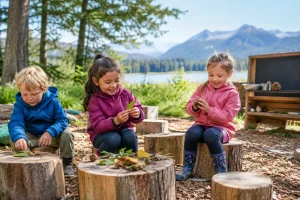
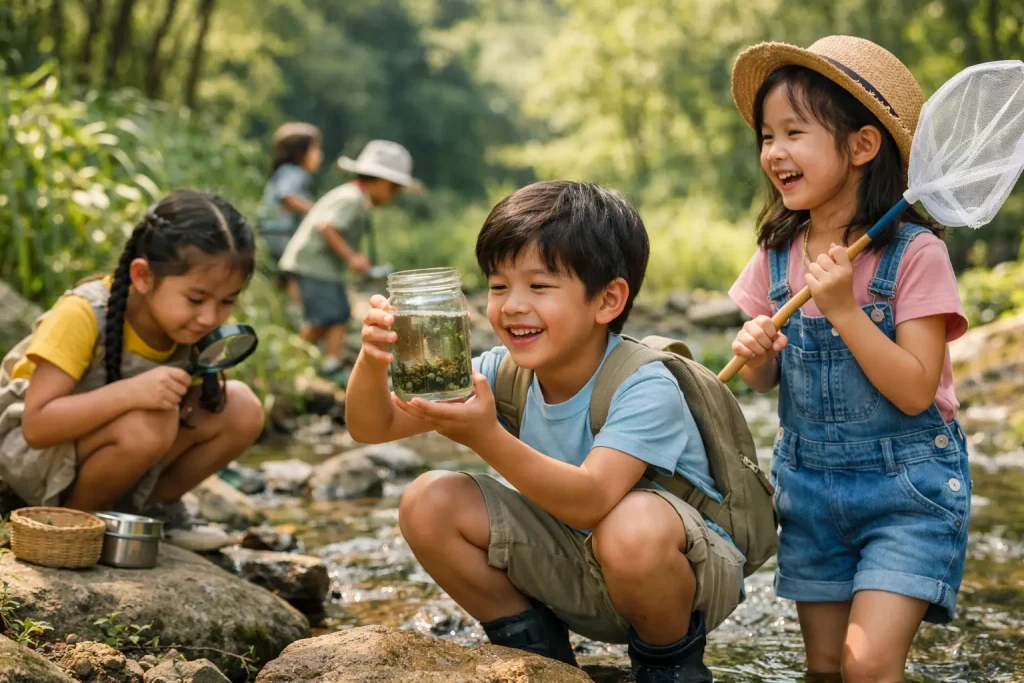
For many families, outdoor space becomes a deciding factor, and with good reason. Children are not designed to spend their early years only indoors. They need room to run, climb, balance, observe and investigate.
Nature-connected learning supports far more than physical development. It can improve focus, build resilience and encourage a sense of wonder. A child collecting leaves, splashing at a water table or noticing insects in the garden is learning to observe carefully and engage with the world in a direct, memorable way.
Sensory experiences matter just as much. Sand play, painting, loose parts, textured materials and practical hands-on activities help children make sense of their environment. These experiences also support language, creativity and early problem-solving. For some children, sensory play is especially important because it allows them to participate confidently before they are ready to express everything in words.
A premium early years environment often stands out here. It is not simply about having more equipment. It is about creating purposeful spaces where children can explore safely and meaningfully, both indoors and outside.
Structure and school readiness without pushing too soon
Many parents want reassurance that a playgroup will prepare their child for the next stage. That is a sensible concern, but school readiness at this age should not mean worksheets and formal pressure.
Real readiness starts with the basics. Can a child manage simple routines? Can they listen for short periods, follow instructions, express needs, tidy up, and begin cooperating with peers? Can they hold crayons with growing control, enjoy stories and develop confidence away from home? These are the building blocks that support later literacy and numeracy.
A well-designed playgroup programme introduces structure gradually. Children might begin recognising shapes, colours, sounds and simple concepts through games, music, movement and conversation. This keeps learning alive and age-appropriate. The aim is not to rush childhood along. It is to help children feel capable and excited about learning.
This is where a staged pathway can be especially reassuring for parents. When a school understands how children move from playgroup into nursery and then onward into kindergarten, the early years feel connected rather than fragmented. Each stage builds naturally on the last.
Questions worth asking before you enrol
A visit will tell you a great deal, but the right questions can tell you more. Ask how teachers support settling in, how they communicate with parents and how they handle moments when children are upset or struggling to join activities. These answers reveal a setting’s values very quickly.
It is also sensible to ask about teacher training, class routines and the role of outdoor learning in the week. If a setting describes play as an afterthought, that may be a concern. In a strong early years programme, play is not separate from learning. It is the pathway into it.
Parents should also pay attention to how a school speaks about children. Do they focus only on performance, or do they talk about confidence, kindness, curiosity and independence too? The language a school uses often reflects the experience children will have there.
For families in Johor Bahru who want a more holistic and thoughtfully guided start, a campus with green space, trained educators and a child-centred curriculum can make a meaningful difference. That combination gives children room to grow while giving parents greater peace of mind.
Choosing with both heart and judgement
Finding the right playgroup is rarely about choosing the flashiest option. It is about recognising where your child is most likely to flourish. Some children need a gentle introduction with plenty of reassurance. Others are ready for a more social, active routine. The right fit depends on temperament, developmental stage and the kind of learning environment your family values most.
A setting such as Alpine Preschool appeals to many parents because it brings together warmth, structure, outdoor exploration and a clear educational pathway. That blend can be especially valuable for families seeking more than basic childcare – they want a meaningful early years experience that respects childhood while preparing children well.
When you walk into the right playgroup, you can usually feel it. The children are engaged, the teachers are present, and the atmosphere is calm in the best sense – lively, caring and purposeful. For a young child, that kind of beginning can shape not only how they learn, but how they feel about learning for years to come.
Choose the place where your child is not only looked after, but gently encouraged to wonder, explore and grow with confidence.