
A child’s early years are full of big discoveries: the first confident climb, the first friendship formed without a parent nearby, the quiet satisfaction of completing a puzzle alone. A purpose built preschool campus gives these moments the space, safety and thoughtful guidance they deserve. It is not simply a building where children attend lessons. It is an environment designed around how young children move, wonder, communicate and grow.
For families choosing a preschool, the campus matters because children learn with their whole selves. They need room to run, places to create, calm corners to reset and trusted adults who can turn everyday experiences into meaningful learning. When these elements come together, childhood feels both joyful and purposeful.
Why the Campus Shapes the Learning Experience
Young children do not learn best by sitting still for long periods. They learn by touching, testing, talking, pretending and repeating. A well-designed campus recognises this natural rhythm, making it easier for educators to offer a balanced day of active play, focused exploration, social interaction and rest.
In a purpose-built setting, classrooms can be sized and arranged for small hands and growing independence. Low shelves invite children to choose materials responsibly. Accessible washrooms support self-care routines. Bright, welcoming learning areas encourage children to settle in with confidence rather than feeling overwhelmed by a space made for older pupils or adults.
The difference can be felt in the details. There is a place for bags and belongings, a clear route from indoor activities to outdoor play, and carefully selected resources that children can reach safely. These practical decisions help children understand what comes next in their day. Over time, this sense of order supports independence, emotional security and readiness to learn.
A Purpose-Built Preschool Campus Makes Room for Nature
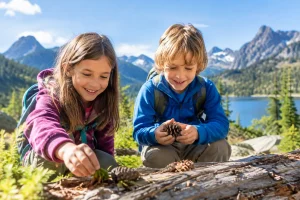
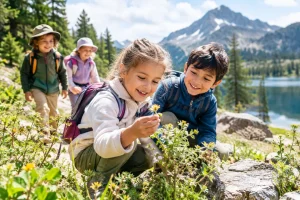
For a young child, a patch of grass, a fallen leaf or a line of ants can become a whole lesson. Expansive green spaces allow learning to continue beyond four walls, giving children regular opportunities to observe seasonal changes, build physical confidence and engage their senses.
Outdoor classrooms are especially valuable because they offer a different kind of attention. A child who finds it difficult to concentrate at a table may become deeply absorbed while watering plants, mixing mud in a play kitchen or searching for shapes in the garden. Nature gives educators rich, real-life starting points for language, early maths, scientific thinking and imaginative play.
Outdoor learning also supports wellbeing. Fresh air, movement and open-ended play can help children release energy, practise risk awareness and return indoors more settled. This does not mean every activity must happen outside, or that outdoor space alone creates a strong educational experience. Children also need skilled teachers who know when to step in, when to ask a thoughtful question and when to give them time to work something out for themselves.
At Alpine Preschool, green outdoor spaces are part of a wider commitment to helping children flourish with nature. They are places for discovery, not simply breaks between classroom activities.
Physical confidence, at a child’s own pace
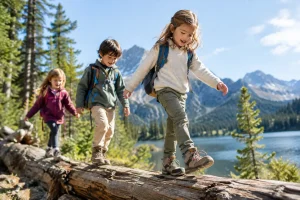
Climbing, balancing, carrying, digging and pedalling build more than strong bodies. They help children judge distance, manage challenge and develop perseverance. A carefully planned outdoor area allows children to take age-appropriate risks in a supervised setting, whether that means navigating stepping stones, climbing a low structure or working together to move natural materials.
Each child approaches challenge differently. Some are ready to race ahead; others need several days of watching before they join in. A nurturing preschool respects both responses, offering encouragement without pressure. Confidence grows most reliably when children feel safe enough to try.
Spaces That Support Every Stage of Development
Children aged two to seven change rapidly, so one room and one approach cannot meet every need. A quality preschool pathway should offer experiences that develop alongside the child, from early separation and sensory exploration through to stronger concentration, communication and foundational academic understanding.
For younger children in Playgroup or Nursery, the environment needs to feel secure, gentle and inviting. Sensory materials, role-play areas, stories, songs and simple routines create familiarity while encouraging curiosity. Teachers help children name feelings, share space with others and begin making choices.
As children progress through Kindergarten 1 and Kindergarten 2, learning spaces can support longer projects and more purposeful inquiry. They may explore letters and sounds, number concepts, pattern, early writing, problem-solving and collaborative work. The aim is not to rush childhood, but to establish foundations with care, so children enter their next stage of education feeling capable and enthusiastic.
A refined curriculum gives this progression direction. Play remains central, yet play is guided by clear developmental intentions. A block-building activity may strengthen spatial awareness and teamwork. A cooking experience can introduce sequencing, vocabulary and measurement. A group story may support listening, empathy and cultural understanding. When teachers understand the learning within these moments, children receive far more than a busy day.
Safety Is Designed Into Daily Life
Parents rightly look beyond attractive classrooms and green lawns. They want to know that their child will be welcomed, supervised and cared for with consistency. A purpose-built campus should make safeguarding part of its everyday design, from secure entry arrangements and visible outdoor areas to age-appropriate equipment and clear routines.
Safety, however, should never make a preschool feel restrictive. The best environments protect children while allowing them the freedom to explore. Clear boundaries help children understand where they can go, what they can use and how they can care for themselves and others. This creates a calm sense of trust rather than unnecessary limitation.
Trained teachers are essential here. They observe children closely, anticipate needs and guide social situations with kindness. When a disagreement arises over a favourite toy, an educator can help children practise language, patience and problem-solving. When a child seems unusually quiet, a familiar teacher can offer reassurance and communicate thoughtfully with the family.
The Value of a Connected School Community
A campus becomes more meaningful when it feels like a community. Children benefit from seeing familiar faces, celebrating different cultures and taking part in experiences that reach beyond the usual classroom routine. Excursions, seasonal events and holiday camps can add excitement while helping children adapt to new settings and relationships.
For parents, a connected community offers reassurance too. Early childhood education works best when home and school share information openly. Families should feel that teachers recognise their child’s personality, interests and emerging needs, not just their place in a class.
When visiting a preschool, look beyond the prospectus. Notice whether children are engaged and comfortable. See if they can access materials independently, whether outdoor spaces are actively used, and how educators speak to children during everyday moments. Ask how the curriculum changes across the years, how the school supports settling in and what communication parents can expect.
It is also worth considering what suits your family’s priorities. A large outdoor campus may be especially valuable for a child who thrives through movement and sensory play. A structured developmental pathway may reassure parents who want clear preparation for primary school. The right choice depends on your child, your values and the quality of care behind every feature.
A beautiful campus is only the beginning. When thoughtful spaces, nature-connected learning, trained educators and a child-centred curriculum work together, children are given something precious: room to become curious, kind and confidently themselves.