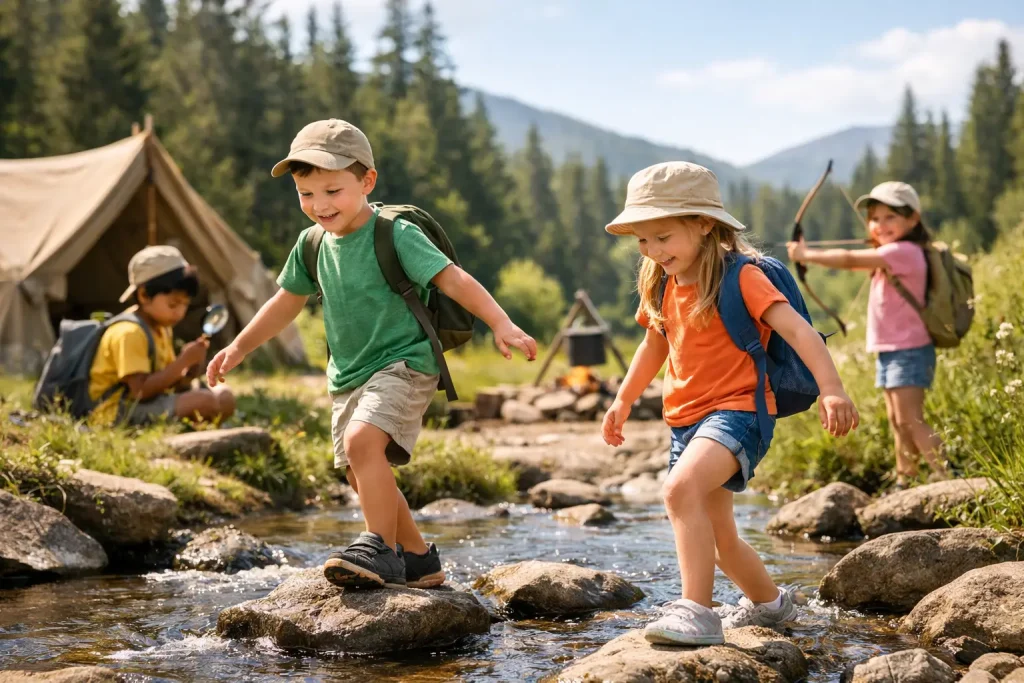
School holidays can feel wonderfully open-ended for a young child, but several weeks away from familiar routines can also bring restlessness, too much screen time and the repeated question, “What are we doing today?” Thoughtfully planned holiday camps offer a happier rhythm. The benefits of holiday camps reach far beyond keeping children occupied: they create meaningful days filled with movement, friendship, creativity and discovery.
For children aged two to seven, a camp should not feel like an extension of formal school. It should feel like a magical place to explore new interests, get messy, ask questions and return home with stories to share. At the same time, the best camps are carefully structured by trained educators who understand how young children learn, play and build confidence.
1. Holiday camps bring gentle structure to the break
Young children thrive when their day has a predictable shape. During term time, they become used to familiar arrivals, mealtimes, play periods and goodbyes. A long holiday without any rhythm can be unsettling, particularly for children who find transitions difficult.
Holiday camps provide a reassuring routine without making the break feel overly rigid. Children know there will be a warm welcome, engaging activities, outdoor play, snacks and time to rest. Within that structure, they can still make choices: whether to build, paint, investigate leaves, join a group game or quietly observe before taking part.
This balance helps children feel secure enough to be adventurous. For parents, it also offers the comfort of knowing that each day has purpose rather than simply needing to be filled.
2. They help confidence grow through small successes
Confidence in the early years is rarely built through big speeches or pressure to perform. It grows in quiet moments: putting on a sun hat independently, trying an unfamiliar craft, joining a singing circle or speaking to a new friend.
Camps create many of these small, achievable opportunities. Because the activities are often themed and playful, children may be more willing to try something that would otherwise feel intimidating. A child who is hesitant in a large group may feel proud to show a clay model. Another may discover that they enjoy leading a treasure hunt or helping to prepare materials for the next activity.
The value lies in encouragement rather than perfection. When teachers notice effort, resilience and kindness, children learn that they are capable learners. That sense of capability can carry into preschool, family life and future new experiences.
3. Friendships develop naturally through shared play
One of the most meaningful benefits of holiday camps is the chance to practise social skills in a fresh, low-pressure setting. Young children learn friendship by living it: taking turns with a watering can, negotiating roles in pretend play, waiting for a friend to finish a story and finding kind ways to solve a disagreement.
Children do not need to arrive with an established friendship group to benefit. In fact, meeting new children can help them practise introducing themselves and entering play with confidence. Skilled educators support these early interactions without taking over, offering gentle language such as, “Would you like to ask if you can join?” or “How could we make space for everyone?”
For a child who is preparing to start nursery or kindergarten, this experience can be especially helpful. They begin to see group settings as places where they can belong, contribute and be heard.
4. Outdoor experiences support healthier, happier learning
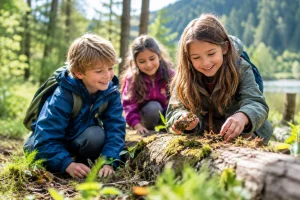
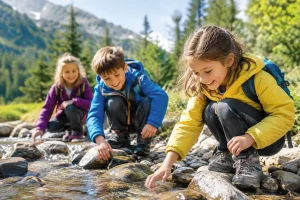
A holiday should include room to move. Outdoor classrooms and green spaces give children a chance to run, balance, climb, dig, listen and notice the changing world around them. These are not simply breaks between learning activities. For young children, they are learning activities.
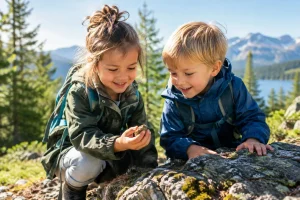
Nature invites questions that cannot always be planned: Why is this leaf smooth? Where did the ant go? What happens when water meets sand? Through these moments, children develop observation, language and early scientific thinking in ways that feel joyful and real.
Outdoor play also supports physical development. Navigating uneven ground, carrying natural materials, pedalling, jumping and throwing all strengthen coordination and body awareness. After active play, many children are better able to settle into a quieter story, art project or sensory activity.
Of course, outdoor learning needs thoughtful supervision, suitable shade, hydration and age-appropriate spaces. Parents should feel comfortable asking how a camp manages warm weather, toileting, meals, allergies and safe transitions between activities.
5. Creative activities give children a voice
During the holidays, children deserve time to create without rushing towards a perfect finished product. Painting, collage, music, dramatic play, movement and building projects allow them to express ideas that may be difficult to put into words.
A camp theme can make this even more engaging. A jungle adventure might inspire animal movement, leafy printing, story-making and a miniature habitat. A community theme could lead to role play, map drawing and conversations about helpful people. Children are learning across many areas at once, but their experience remains centred on play.
Creative work also encourages flexible thinking. If a tower falls or the paint colours mix unexpectedly, children can learn to adapt rather than give up. These moments nurture curiosity and resilience, both of which matter far more than producing a picture that looks exactly like an adult imagined.
6. Camps can protect learning momentum without pressure
Parents sometimes worry that a holiday will undo the progress their child has made during the term. Young children do not need worksheets to keep learning alive. They need rich conversations, hands-on experiences, stories, movement and opportunities to revisit skills in meaningful ways.
A well-designed camp naturally supports early literacy, numeracy and problem-solving. Children may count shells during a nature activity, recognise their name on a label, compare the sizes of seeds, follow a recipe or retell a story with puppets. The learning is woven into experience rather than presented as a test.
This approach is particularly valuable for children aged two to seven, whose development can vary widely. A good camp meets children where they are, offering support when needed and extra challenge when they are ready. It should never turn the holiday into an academic race.
7. Independence becomes part of everyday fun
Holiday camps invite children to do more for themselves in a supportive environment. They may unpack their own bag, choose an activity, tidy resources, wash hands before snack or explain what they need to an educator. These ordinary moments build practical independence.
For some children, being away from parents for a few hours also offers an important emotional step. They learn that Mum or Dad leaves, they are safe and cared for, and they will be reunited later. This can strengthen separation confidence gently, especially when staff create calm arrival routines and communicate warmly with families.
The goal is not to make children independent before they are ready. It is to offer enough support that they can say, “I did it,” with genuine pride.
8. Families gain breathing space and meaningful connection
Holiday camps can be a practical support for working parents, but their value is not limited to childcare. When children spend a few stimulating hours in a nurturing environment, families often return to their time together with more energy and better stories.
Instead of feeling responsible for entertaining children every moment of the day, parents can focus on work, errands or rest, knowing their child is engaged in something purposeful. Then, at home, a simple question such as “What made you smile today?” can open a lovely conversation.
The right camp also gives parents insight into their child’s growing interests. Perhaps they become fascinated by insects, love messy sensory play or show unexpected confidence in music. These discoveries can shape future family activities and help parents celebrate the unique ways their child is flourishing.
Choosing a holiday camp that feels right
Not every camp will suit every child. A highly energetic programme may delight a child who loves constant movement, while another may need quieter spaces, smaller groups and time to warm up. Ask about the age range, adult-to-child ratios, daily routine, staff training, outdoor provision and how educators support children who are new, shy or still developing independence.
It is also worth looking at the philosophy behind the activities. Are children offered real opportunities to explore, create and make choices? Is the environment welcoming and well prepared? Are safety procedures clear without making the experience feel restrictive? These details reveal whether a camp is designed around children’s developmental needs or simply around filling a timetable.
At Alpine Preschool, holiday experiences are shaped by the same belief that guides every stage of early learning: childhood should be rich with curiosity, kindness, nature and purposeful play. For families in Johor Bahru, a thoughtfully chosen camp can turn school holidays into a season where children feel joyful, capable and wonderfully connected to the world around them.
When choosing your child’s next holiday experience, look for the spark in their response. A camp that makes them eager to return, proud to share and free to be themselves is often the one that will stay with them long after the holiday ends.