
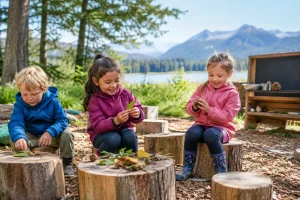
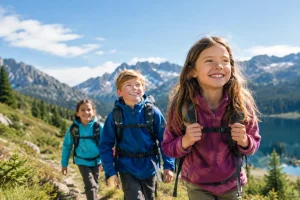
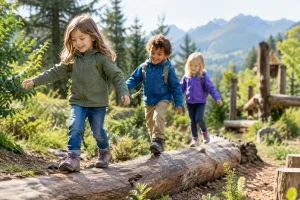
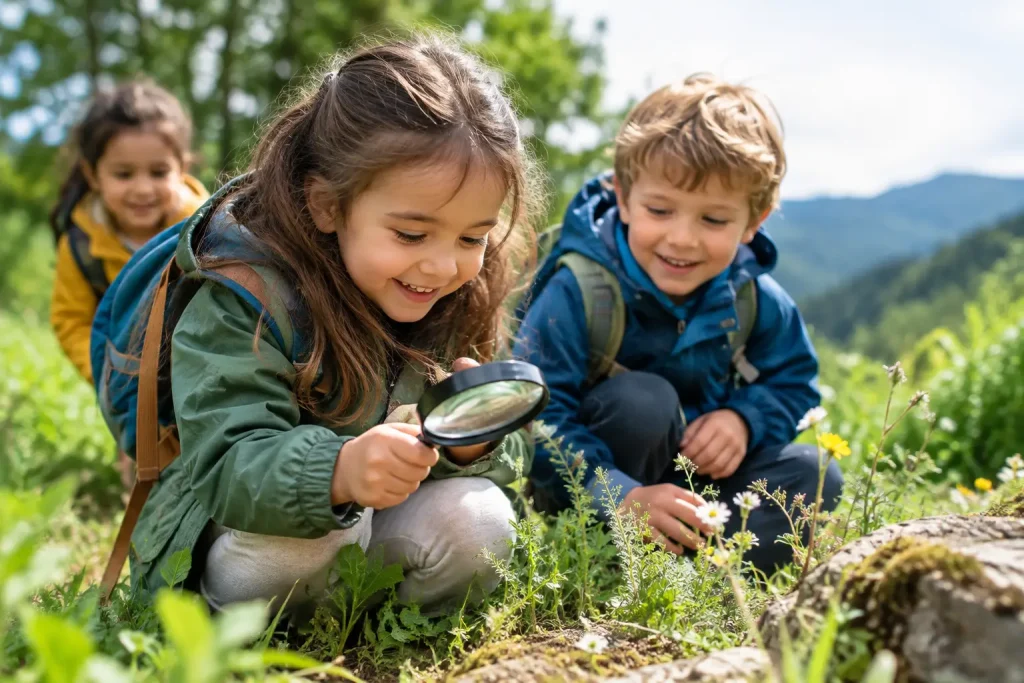
A child crouching to watch an ant carry a crumb is not simply passing time outdoors. They are concentrating, asking questions, steadying their body, sharing a discovery and learning that the world is full of things worth noticing. The green space preschool benefits parents value most often begin in these small, meaningful moments.
For children aged 2 to 7, nature is not an extra activity added after the ‘real’ learning is done. It can be a rich classroom that supports physical confidence, language, emotional balance and early thinking skills. When outdoor experiences are thoughtfully guided by trained teachers, children enjoy the freedom to explore while building the foundations they need for school and life.
Green space preschool benefits that shape the whole child
A well-designed outdoor environment gives children opportunities that are difficult to recreate at a table. There is room to run, climb, balance, dig, carry, observe and invent. Each of these experiences asks children to use their bodies and minds together.
For a toddler, stepping carefully across uneven grass may strengthen balance and self-belief. For an older preschooler, planning how to build a shelter from natural materials can develop persistence, cooperation and problem-solving. These are not separate lessons. They are connected forms of learning that happen naturally when children are given time, space and sensitive guidance.
Green spaces also offer a welcome variety of sensory experiences. The coolness of shade, the texture of bark, the scent after rain and the sound of leaves moving in the breeze help children make sense of their surroundings. Sensory learning is particularly valuable in the early years, when children are learning through touch, movement and direct experience rather than abstract ideas alone.
More movement, stronger bodies
Young children are made to move. Outdoor play creates a natural reason to practise large-muscle movements, from running and hopping to pulling, pushing and climbing. These actions support coordination, strength and body awareness, all of which contribute to greater confidence in everyday activities.
Movement also helps many children regulate their energy. A child who has had a chance to stretch, race, dig and play may find it easier to return to a quieter activity with focus. This does not mean every child needs constant high-energy play. Some children will prefer watering plants, collecting fallen leaves or sitting quietly to observe a ladybird. A quality outdoor programme makes room for both energetic exploration and calm attention.
Curious questions become real learning
Nature gives children a reason to wonder. Why do some leaves float? Where does a snail go when the ground is dry? What happens to a seed after it is planted? These questions provide an engaging starting point for vocabulary, early science, counting and creative expression.
Teachers play an essential role here. Rather than rushing to provide every answer, they can encourage children to predict, compare and describe what they see. A simple puddle can become an opportunity to notice reflections, measure depth with sticks or discuss how water moves. Through conversation, children develop the language to communicate their ideas and listen to the ideas of others.
This kind of learning has a lasting quality because it is connected to something the child has seen and felt for themselves. A concept that begins with a handful of seeds or a shadow on the ground can later support more formal learning in the classroom.
The emotional benefits of a preschool green space
Early childhood is full of big feelings. Children are learning how to manage frustration, wait for a turn, recover from a disappointment and feel comfortable in a group. Time in a calm, welcoming outdoor setting can give them room to reset.
A green space does not remove every challenge, nor should it. Healthy challenges are part of development. A child may feel unsure before climbing a low structure, upset when a carefully made mud creation falls apart or hesitant about joining a group game. With reassurance from an attentive adult, these moments can become opportunities to practise resilience.
Outdoor learning can also nurture independence. When children choose a natural object for a collage, decide where to place a stepping stone or take responsibility for watering a plant, they learn that their choices have value. This growing sense of agency supports confidence without placing unnecessary pressure on a young child.
Friendship has room to grow
Outdoor play often encourages more flexible social interaction than a tightly structured indoor task. Children can work together to create a pretend café, organise a treasure hunt or gather materials for a miniature garden. They negotiate roles, share resources and adapt their ideas as the play develops.
Not every child enters group play in the same way. Some may observe first, while others quickly take the lead. A nurturing preschool recognises these differences and helps each child find a comfortable place within the community. Over time, shared outdoor experiences can build kindness, communication and a sense of belonging across different personalities and cultures.
Nature-connected learning needs thoughtful structure
The value of outdoor learning does not come from simply opening a door and hoping for the best. Children flourish when freedom is balanced with careful planning, clear boundaries and responsive teaching.
A purpose-built campus should offer spaces that are safe, age-appropriate and varied enough to inspire different kinds of play. Shade, secure boundaries, well-maintained equipment and easy access to drinking water matter just as much as inviting gardens and open areas. Families should expect clear procedures for supervision, weather changes and hygiene after messy play.
Structure is equally important in the learning experience. An outdoor classroom may include a teacher-led activity, such as observing the life cycle of a plant, alongside time for child-initiated exploration. This balance allows educators to introduce new ideas while respecting children’s natural curiosity.
At Alpine Preschool, expansive outdoor spaces can become an extension of the curriculum rather than a break from it. Through play-based, nature-connected experiences, children can build early readiness skills while enjoying the magical freedom of being outside. The goal is not to rush childhood, but to make every stage of it meaningful.
What parents should look for in an outdoor programme
When visiting a preschool, look beyond the size of the playground. Ask how teachers use the space across the week and how activities change for Playgroup, Nursery and Kindergarten children. A strong programme will show a clear understanding of developmental stages, rather than expecting every child to engage in the same way.
It is also helpful to notice whether the outdoor area invites imagination as well as physical activity. Children benefit from open-ended materials, natural elements and places to create, investigate and rest. A field that is only used for running has value, but a richer environment offers many ways to learn.
Finally, ask how the school responds when the weather is warm, wet or unpredictable. Outdoor learning does not need to happen in perfect conditions, but it should always be managed with children’s comfort and safety in mind. In Johor Bahru’s tropical climate, shaded areas, sensible timing and regular hydration are particularly important.
A childhood with room to flourish
The greatest gift of green space may be the feeling it gives a child: there is room here to move, to wonder, to make a mess, to try again and to belong. Those experiences support academic foundations, but they also protect something precious – a child’s natural eagerness to learn.
When preschool days include soil on small hands, stories beneath the trees and discoveries shared with friends, children do more than prepare for the next classroom. They begin to see themselves as capable, curious learners, ready to meet the world with confidence.