
A child does not need to arrive at kindergarten reading chapter books or completing pages of sums. They need to feel safe trying something new, able to share an idea, and confident enough to ask for help. The best kindergarten readiness activities build these foundations through play, movement, conversation and everyday moments that feel joyful rather than pressured.
Readiness is not a race to reach an academic finish line. Every child develops at their own pace, and a meaningful early learning experience supports the whole child: social confidence, language, physical coordination, self-care, curiosity and emerging thinking skills. The activities below can be adapted for a quiet afternoon at home, a trip to the park or time in the garden.
What does kindergarten readiness really look like?
Children are often ready to make the most of kindergarten when they can separate from a parent or carer with growing confidence, follow simple routines and communicate basic needs. They are beginning to listen in a group, take turns and recover from small disappointments, too.
Early literacy and numeracy matter, but they are most useful when introduced through real experiences. Recognising their name, enjoying stories, noticing patterns, counting snack pieces and using crayons with control are all valuable signs of progress. A child who is curious, secure and willing to have a go has a wonderful starting point.
12 best kindergarten readiness activities for playful learning
1. Create a simple morning routine
Use pictures or draw small symbols for getting dressed, brushing teeth, packing a bag and putting on shoes. Invite your child to move through the steps with you, then gradually let them take the lead. This supports independence and helps kindergarten routines feel familiar rather than overwhelming.
Keep expectations realistic. A two- or three-year-old may manage one step independently, while an older child may be ready to pack their own water bottle or put away their belongings. Praise effort specifically: “You remembered where your shoes go,” is more helpful than a general “Good job”.
2. Read aloud, then talk about the story
Choose picture books with rich illustrations and pause before turning a page. Ask what your child thinks might happen next, how a character might feel or what they can spot in the picture. There is no need to turn reading time into a test. Warm conversation around stories strengthens vocabulary, listening and imagination.
Re-reading favourite books is valuable. Children gain confidence when they can join in with familiar phrases, retell parts of a story and notice new details each time. This growing sense of narrative will support them as they encounter language in kindergarten.
3. Play name games
Write your child’s name in large, clear letters and use it in playful ways. They might find their name card among family members’ cards, form the letters with playdough, trace it in sand or decorate the first letter with leaves and stickers.
Start with recognition rather than perfect writing. Being able to identify their own name gives a child a reassuring sense of belonging when they see it on a cubby, artwork or classroom label. If they show interest in writing, offer chunky pencils and short crayons that encourage a comfortable grip.
4. Sort, match and count everyday objects
Buttons, socks, leaves, toy animals and fruit all offer early maths opportunities. Ask your child to sort objects by colour, size or texture, then talk about their choices. Count slowly together as you place items into a bowl, set the table or climb the stairs.
The goal is not memorising numbers in isolation. It is understanding that numbers describe real quantities and that objects can be compared, grouped and arranged. A child who says, “This pile has more,” is already building useful mathematical thinking.
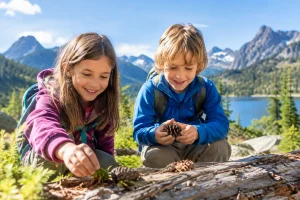
5. Make an outdoor nature tray
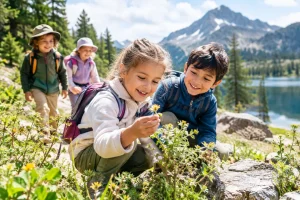
Bring a small basket on a walk and collect safe natural treasures such as fallen leaves, seed pods, smooth stones and petals. At home, arrange them on a tray and invite your child to inspect, sort, sketch or create a pattern with them.
Nature offers endless sensory learning. A rough leaf, a cool stone and the scent of a flower prompt descriptive language and close observation. Outdoor exploration also gives children space to move freely, regulate their energy and develop a genuine respect for the world around them.
6. Build an obstacle course
Use cushions to step across, tape lines to balance on, chairs to crawl under and a basket for beanbag throws. Give simple instructions such as “First crawl under the chair, then jump over the line.” Change the course together once your child understands the pattern.
This lively activity supports balance, coordination, spatial awareness and listening. It also creates natural opportunities to practise persistence. If a child misses a throw or loses balance, model a calm response: “That was tricky. Shall we try again?”
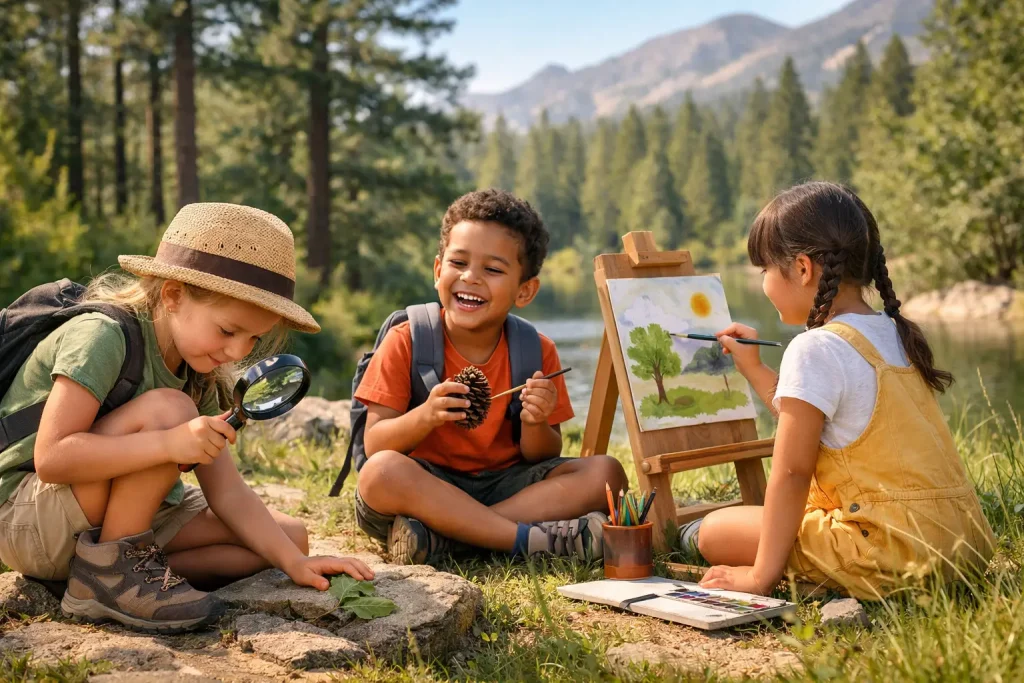
7. Offer open-ended creative materials
A few recycled boxes, paper, washable paint, glue, fabric scraps and crayons can become a café, spaceship, puppet theatre or imaginary animal home. Rather than showing your child what to make, ask, “What could this become?” and let their ideas guide the activity.
Creative work develops fine motor control, planning and self-expression. It also teaches children that there can be more than one good answer. A painting does not need to look like a recognisable object to be meaningful; the conversation about their choices is often where the learning happens.
8. Practise turn-taking through games
Simple games involving rolling a ball, stacking blocks in turns or matching pairs help children experience waiting, sharing and handling an outcome they did not choose. Keep the atmosphere light. The purpose is not to teach a child to win, but to help them stay connected while playing with others.
If waiting feels difficult, begin with very short turns and narrate what is happening: “It is my turn, then it is your turn.” This language gives children a useful script for group activities and friendships at kindergarten.
9. Let your child help with real jobs
Invite them to wash vegetables, sort laundry, wipe a small table, feed a pet with supervision or place spoons on the table. These tasks may take longer than doing them yourself, but they communicate a powerful message: you are capable and your contribution matters.
Practical responsibilities strengthen hand control, sequencing and independence. They can also build confidence in caring for shared spaces, an important part of a respectful classroom community.
10. Set up pretend-play invitations
Create a small shop with empty food packets, a doctor’s corner with a toy stethoscope, or a restaurant with menus drawn on paper. Join briefly to introduce language, then allow your child to lead. Pretend play is where children rehearse social situations, negotiate roles and make sense of what they see in daily life.
A child serving tea to a teddy or examining a doll is also practising communication, empathy and problem-solving. There is no need for elaborate props. A blanket, a few cups and a lively imagination are often enough.
11. Explore feelings with a daily check-in
At a calm moment, ask your child to choose a word, colour or facial expression for how they feel. You might say, “I felt worried when I could not find my keys, then relieved when I found them.” Naming your own feelings shows that all emotions can be expressed safely.
Kindergarten brings exciting new friendships and occasional frustrations. Children do not need to be cheerful all the time, but they benefit from language that helps them say, “I am cross,” “I miss Mum,” or “Can I have a turn?” Emotional literacy is readiness in its most human form.
12. Arrange short, supported social play
A relaxed playdate with one familiar child can be more valuable than a busy gathering. Choose an activity with enough materials for both children and stay nearby to help them find words when disagreements arise. Offer gentle prompts instead of solving every problem immediately.
Some children warm up quickly, while others prefer to watch first. Both responses are normal. Respecting a child’s temperament while providing regular, positive social experiences helps them develop confidence at a pace that feels secure.
Keep readiness activities light and responsive
The most effective activities are repeated naturally, not delivered like a lesson plan. Ten focused minutes of baking, reading or building together can be more meaningful than a long session when a child is tired or distracted. Follow their interests where you can. A child fascinated by diggers may enjoy counting wheels, making construction-site signs and telling stories about what is being built.
Notice what feels difficult without labelling your child as behind. If pencil control is frustrating, offer playdough, peg games and painting on a vertical surface. If group play feels daunting, begin with parallel play beside another child. Small, supportive steps create the conditions for progress.
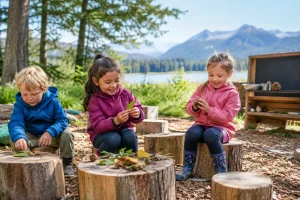
At Alpine Preschool, children are encouraged to learn through purposeful play, sensory discovery and time spent in nature, because these experiences help confidence grow from the inside out. Whether readiness begins in your kitchen, garden or a carefully prepared classroom, the aim is the same: help your child feel that learning is a place where they belong.
The loveliest preparation for kindergarten is not a packed timetable. It is a childhood filled with stories, muddy hands, kind conversations and many chances to say, “I can try.”