

A great early childhood teacher does far more than lead songs, set up paint trays, or help children learn their letters. If you are wondering how to be an early childhood education teacher, the real answer begins with something deeper – understanding how young children grow, how they feel safe enough to learn, and how everyday moments can shape confidence, language, curiosity, and character.
For many parents, this role can look magical from the outside. A warm classroom, happy children, nature play, story time, messy exploration, gentle routines. Yet behind that calm and joyful experience is a teacher who is observant, well trained, emotionally steady, and intentional about every part of a child’s day. It is a profession built on care, but also on skill.
What does an early childhood education teacher actually do?
Early childhood education teachers work with children in their most formative years, typically from toddler age to around seven. At this stage, learning is not just about early numeracy or phonics. It is about building the foundations for communication, self-regulation, movement, problem-solving, relationships, and independence.
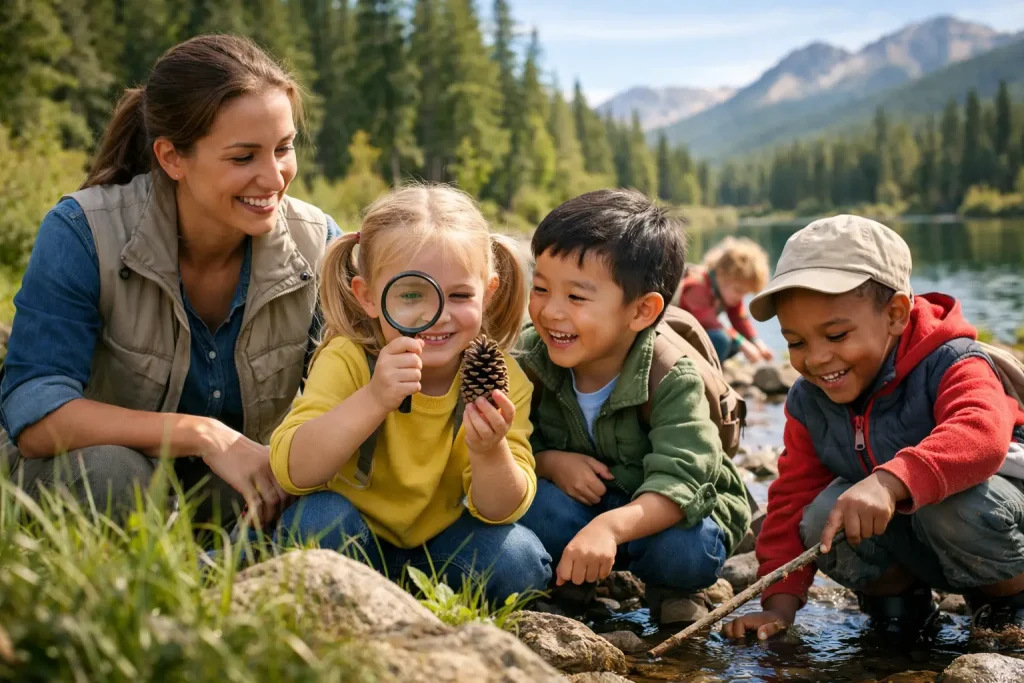
That means the job is wonderfully varied. In one morning, a teacher may welcome a child who needs reassurance at drop-off, guide a small group through a language activity, observe how children collaborate in outdoor play, support conflict resolution, and adjust the day’s plan because the children have become fascinated by insects after a walk in the garden.
The strongest teachers know that structured learning and play are not opposites. In an excellent preschool setting, purposeful play helps children make sense of the world. Sand, water, music, movement, books, blocks, role play, and outdoor exploration all become tools for learning when they are guided with care.
How to be an early childhood education teacher: start with the right foundations
If you are serious about this path, the first step is formal preparation. Requirements vary by setting and country, but most employers look for recognised training in early childhood education, child development, or a related field. Some roles may require a diploma, while others prefer a degree, especially in premium schools with a strong curriculum and high expectations around teaching quality.
Qualifications matter because young children need more than good intentions. Teachers must understand developmental stages, safeguarding, health and safety, behaviour guidance, observation methods, and age-appropriate planning. A well prepared teacher recognises when a child simply needs more time, when a child needs extra support, and when a learning environment itself needs to change.
Practical experience is just as important. Placements, assistant roles, and supervised classroom time help new educators turn theory into everyday judgement. This is where you begin to understand the rhythm of an early years setting – transitions, routines, family communication, and the quiet but constant decision-making that strong teaching requires.
The personal qualities that matter most
Some people are drawn to early childhood education because they love children. That is a lovely place to begin, but it is not enough on its own. To thrive in this profession, you also need patience, consistency, emotional warmth, and the ability to stay calm when a room is busy, noisy, and full of competing needs.
Observation is one of the most underrated strengths in early years teaching. Children often communicate through behaviour, facial expression, play patterns, or sudden changes in confidence. A thoughtful teacher notices what is not being said. They see when a child is ready for more challenge, when a friendship is becoming important, or when tiredness is affecting learning.
Communication matters just as much. You are not only teaching children. You are partnering with families, collaborating with colleagues, and helping build trust around a child’s development. Parents want reassurance, but they also want insight. A strong teacher can speak with warmth and clarity about progress, concerns, and next steps.
Qualifications, training, and what to look for
When exploring how to be an early childhood education teacher, look beyond the minimum certificate and ask what kind of educator you want to become. Some training programmes focus heavily on academic readiness. Others give more space to play-based learning, child psychology, inclusive practice, sensory development, or outdoor education.
That difference matters. Not every early years environment shares the same philosophy. If you believe young children flourish through exploration, movement, creativity, and guided discovery, seek training and placements that reflect those values. A setting that combines structure with child-centred learning often gives teachers a richer professional foundation.
It also helps to build specialist knowledge over time. Training in safeguarding, first aid, special educational needs, phonological awareness, behaviour support, and nature-based learning can strengthen both your confidence and your employability. The most respected teachers rarely stop learning once they enter the classroom.
What great teaching looks like in the early years
Parents sometimes ask whether the best teacher is the one who is most affectionate, most organised, or most academic. The honest answer is that it depends on the child and the setting, but the strongest teachers usually blend all three qualities.
They create calm, predictable routines so children feel secure. They prepare inviting spaces that spark imagination and concentration. They know when to step in with guidance and when to step back so a child can try, fail, and try again. They help children build school readiness, not by rushing childhood, but by making each stage meaningful.
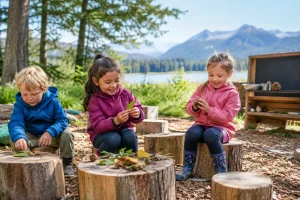
This is especially true in environments that value the whole child. Outdoor classrooms, sensory play, stories, music, movement, and social learning are not extras. They are part of the educational experience. A child who climbs, observes, experiments, negotiates, and wonders is learning constantly, even when the lesson does not look conventional.
The realities of the job
Early childhood education is deeply rewarding, but it is not light work. It asks for physical energy, emotional steadiness, and a genuine commitment to children’s wellbeing. There are long days, unexpected challenges, and moments when several children need you at once.
There is also a great deal of responsibility. Young children depend on adults to create safety, rhythm, and trust. Teachers must be attentive to hygiene, behaviour, learning goals, documentation, and communication with families. In high-quality settings, there is careful thought behind every activity, every transition, and every environment choice.
That is why this career suits people who find meaning in small but powerful progress. A child separating happily for the first time, speaking up in a group, learning to wait, noticing patterns in nature, or beginning to write their name – these moments may seem simple, yet they are often the building blocks of later confidence and learning.
How to know if this career is right for you
The best way to test your interest is to spend time in a strong early years environment. Observe how teachers speak to children, how they set boundaries, how they guide play, and how they respond when a plan needs to change. A beautiful classroom means very little without thoughtful teaching inside it.
Ask yourself whether you enjoy repetition with purpose. Young children learn through routines, revisiting ideas, and practising skills many times. If you need constant novelty, the role may feel demanding in the wrong way. If you find joy in watching slow, meaningful growth, it may be exactly the right fit.
It also helps to reflect on your values. The most fulfilled early childhood teachers tend to believe that childhood is not simply preparation for later schooling. It is a precious stage in its own right, deserving of respect, wonder, challenge, and care.
Building a career in a high-quality preschool setting
Once qualified, many educators begin as teaching assistants or junior teachers before moving into lead teaching roles. Over time, some specialise in particular age groups, while others grow into curriculum planning, pastoral leadership, or school management.
A high-quality preschool often offers the best environment for professional growth because standards are clear and support is stronger. In a thoughtfully designed school, teachers are more able to focus on what matters most – creating an enriching daily experience for children. Purpose-built spaces, green outdoor areas, well planned programmes, and a shared educational vision do not replace good teaching, but they help it flourish.
For families in places such as Johor Bahru, this is often what separates an ordinary preschool experience from an exceptional one. The environment, teacher training, curriculum, and school culture all work together. That same principle applies to educators choosing where to build their career.
If you feel called towards this path, begin with seriousness and heart. Study child development well. Spend time in real classrooms. Learn from experienced educators. Stay curious about how children think, move, feel, and grow. The right early childhood teacher does not simply manage a class. They help shape a child’s sense of self, and that is work worth doing with great care.