Choosing a preschool can feel surprisingly weighty. You are not only picking a place for your child to spend a few morning hours – you are choosing the environment that may shape how they feel about learning, friendships, confidence, and themselves. So when parents ask what makes a good preschool, the answer goes far beyond bright classrooms or a tidy prospectus.
A truly good preschool is one where children feel safe, seen, and excited to return. It balances warmth with structure, play with purpose, and freedom with thoughtful guidance. The best settings understand that early childhood is not a race to produce academic results. It is a precious stage for building the foundations that support everything that comes later.
What makes a good preschool environment?
The physical environment matters more than many parents realise. Young children learn through movement, touch, repetition, observation, and sensory experience. A good preschool is designed for this kind of learning, not simply arranged for convenience.
That means spaces should feel calm, inviting, and purposeful. Children need room to explore independently, but also clear boundaries that help them feel secure. Furniture should be child-friendly, materials should be accessible, and the atmosphere should encourage curiosity rather than overstimulation. A classroom filled with colour can be lovely, but if every wall, shelf, and corner is crowded, it can become distracting rather than enriching.
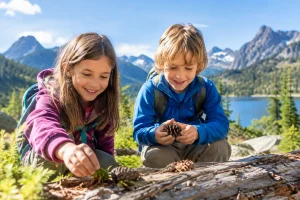
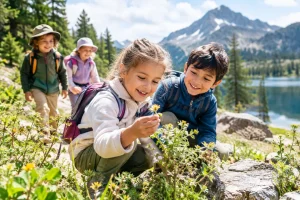
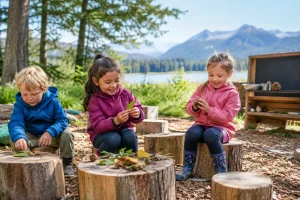
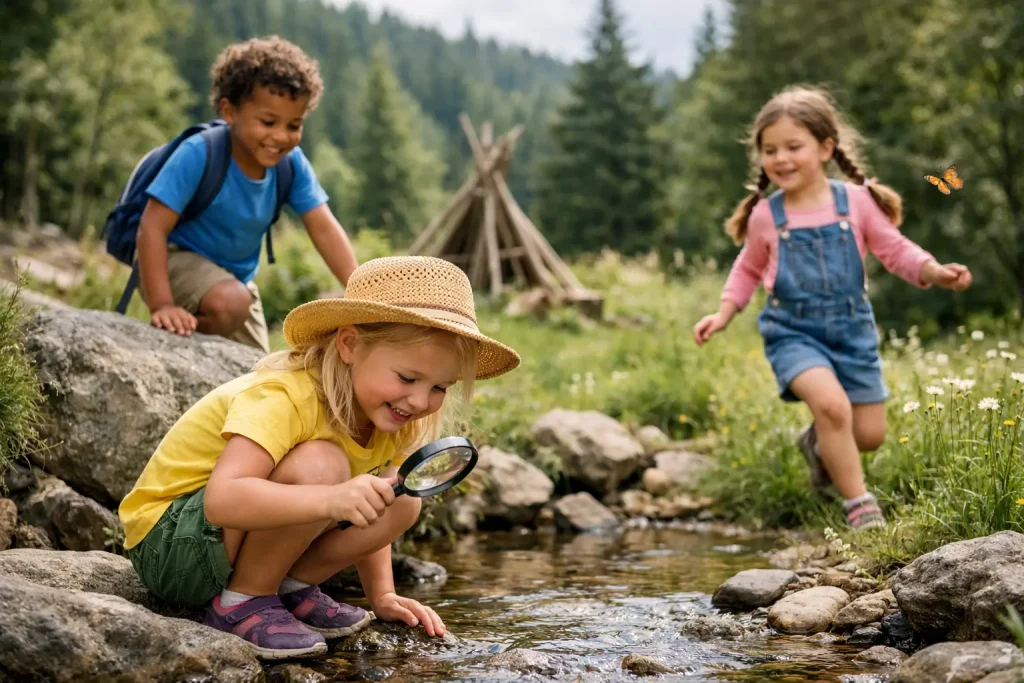
Outdoor space is equally important. Nature-based play supports physical development, imagination, emotional regulation, and confidence. When children have regular access to green spaces, loose parts, water, sand, and open-ended outdoor activities, they are not just getting fresh air. They are learning to assess risk, solve problems, cooperate, and connect with the world around them.
This is one area where quality can vary greatly between schools. Some preschools treat outdoor play as a short break between indoor lessons. Others see it as a meaningful classroom in its own right. The latter approach often gives children a richer and more balanced early years experience.
Teachers make the biggest difference
Buildings and resources help, but people shape the daily experience. One of the clearest answers to what makes a good preschool is the quality of its educators.
Good preschool teachers do more than supervise activities. They observe carefully, respond thoughtfully, and understand how young children develop at different paces. They know when to step in and when to let a child persist. They can turn an ordinary moment – sharing blocks, noticing an insect, asking an unexpected question – into a meaningful learning opportunity.
Parents often look for warmth first, and rightly so. A nurturing teacher helps children settle, build trust, and feel emotionally secure. But warmth alone is not enough. Strong early years educators also bring training, professional judgement, and consistency. They understand child development, behaviour guidance, early communication, and how to create experiences that support both confidence and learning.
It also matters that teachers genuinely enjoy children. You can feel the difference in a classroom where adults are patient, respectful, and engaged. The tone becomes calmer. Children are more willing to try, speak, and participate. That emotional climate is not a soft extra. It is central to learning.
A good preschool has a clear philosophy, not just a busy timetable
Many parents are shown a long list of activities and assume more must be better. In reality, a packed timetable does not always mean thoughtful education. A good preschool has a clear approach to early learning and can explain why it does what it does.
That philosophy may be play-based, nature-connected, enquiry-led, or structured around developmental milestones. Different schools express it differently. What matters is whether the approach is coherent and suitable for young children.
Play-based learning, for example, is sometimes misunderstood as unstructured free time. High-quality play-based learning is carefully guided. Children explore, pretend, build, experiment, move, negotiate, and create, while teachers shape experiences that support language, early maths, social growth, and problem-solving. It feels joyful, but it is not accidental.
The best preschools also understand progression. A two-year-old, a four-year-old, and a six-year-old do not need the same expectations or environment. Good settings provide a developmental journey, with each stage building naturally on the one before it. That sense of progression helps children feel challenged without being pressured.
School readiness is bigger than reading and counting
Parents often worry about whether a preschool will prepare their child for primary school. It is a fair concern, but school readiness is often reduced to a narrow checklist of academic skills.
A good preschool certainly supports early literacy and numeracy. Children should encounter stories, songs, mark-making, sound awareness, patterns, quantities, and problem-solving in meaningful ways. Yet true readiness also includes listening, taking turns, following routines, managing emotions, asking for help, and recovering from small setbacks.
A child who can recite numbers but cannot cope with frustration may find the transition harder than a child who is socially confident, curious, and able to adapt. This is why the strongest early years settings focus on the whole child. They build communication, independence, resilience, motor skills, and self-belief alongside academic foundations.
There is a useful balance to look for here. If a preschool is entirely unstructured, some children may not get the guidance they need. If it is too formal too soon, children may lose the joy and confidence that fuel real learning. A good preschool respects childhood while steadily preparing children for the next stage.
Relationships with families matter
Preschool works best when school and home feel connected. A good setting does not treat parents as outsiders who simply drop off and collect. It welcomes partnership.
That might mean regular updates, thoughtful conversations at the gate, clear communication about routines, or teachers sharing observations about a child’s interests and progress. Parents do not need constant performance reports. What they need is reassurance that their child is known well and supported with care.
This relationship becomes especially important during transitions. Settling into preschool can be emotional for children and parents alike. Good schools handle this gently. They have clear routines, realistic expectations, and staff who know how to build trust without rushing the process.
Families also benefit when a preschool’s values are visible in everyday practice. If a school speaks about kindness, curiosity, creativity, and respect, parents should be able to see those values in how adults speak to children, how conflicts are handled, and how the day is organised.
Safety, standards, and the details that build trust
Some of the most important qualities of a preschool are not the most exciting to read about, but they matter deeply. Cleanliness, safeguarding, well-maintained facilities, secure entry systems, and appropriate adult-to-child ratios are not marketing extras. They are part of what allows children to flourish.
Good management also shows itself in the smaller details. Are routines calm and predictable? Do staff seem prepared? Are materials in good condition? Does the school feel professionally run without feeling cold? Parents often notice these things instinctively during a visit.
Food, rest, toileting support, and transitions between activities also matter. In early childhood, care and education cannot be neatly separated. A child who feels hungry, rushed, or unsettled will struggle to engage, no matter how impressive the curriculum appears on paper.
What makes a good preschool for your child?
There is no single perfect preschool for every family. A setting that suits one child beautifully may not suit another in the same way. Temperament, age, confidence, interests, and family priorities all play a part.
Some children thrive in lively social environments. Others need a gentler pace and more emotional support at first. Some families prioritise strong outdoor learning, while others focus on bilingual exposure, structured progression, or a highly nurturing start for a younger child.
That is why visits matter. Look beyond the brochure. Watch how children move through the space. Listen to how teachers speak. Notice whether children seem engaged, comfortable, and free to explore. Ask how the school supports both development and wellbeing. Ask what happens when a child struggles, not only when a child excels.
A premium preschool experience should never mean simply more polished facilities. It should mean greater intentionality – in the environment, in the curriculum, in the teaching, and in the care children receive each day. At schools such as Alpine Preschool, this often comes to life through trained educators, thoughtfully staged programmes, outdoor classrooms, and a campus designed to let children flourish with nature as part of everyday learning.
In the end, the best preschool is one that honours childhood while preparing children for what comes next. When a school combines safety, skilled teaching, purposeful play, emotional warmth, and space to grow, children do more than learn their letters and numbers. They begin to feel capable, curious, and at home in the world – and that is a beautiful place to begin.