
The first school visit can tell you a great deal before anyone hands over a prospectus. You notice whether children look settled, whether teachers speak with patience, whether outdoor spaces invite movement and wonder, and whether the atmosphere feels calm rather than staged. A private preschool review checklist helps turn those instincts into clear, thoughtful questions, so you can choose with both heart and confidence.
Why a private preschool review checklist matters
Choosing a preschool is rarely just about academics. For most families, it is about finding a place where a child feels secure enough to separate, curious enough to explore, and supported enough to grow in confidence. That is especially true in the early years, when emotional safety and joyful learning shape everything that follows.
A good checklist prevents parents from being swayed by surface details alone. Beautiful classrooms matter, but they are not enough. A polished reception area does not automatically mean strong teaching. Equally, a school that feels simple at first glance may offer extraordinary warmth, structure and developmental understanding. The aim is not to find a perfect school. It is to find the right fit for your child, your family values and the stage your child is in now.
Your private preschool review checklist: what to look for
Start with the feeling of the environment
Children absorb a setting long before they understand its rules. When you visit, look beyond décor and ask yourself whether the school feels welcoming, orderly and alive with purpose. Are children engaged in meaningful activity, or are they waiting around? Does the environment encourage independence, with materials within reach and spaces designed for young learners?
The best early years settings often balance stimulation with calm. Bright colours and displays can be appealing, but too much visual noise may overwhelm some children. A well-prepared environment usually feels intentional. There is room for imagination, movement, conversation and quiet focus.
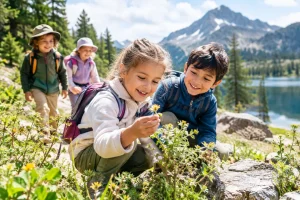
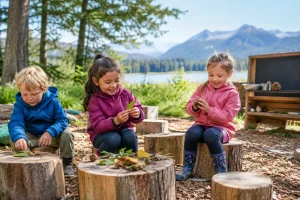
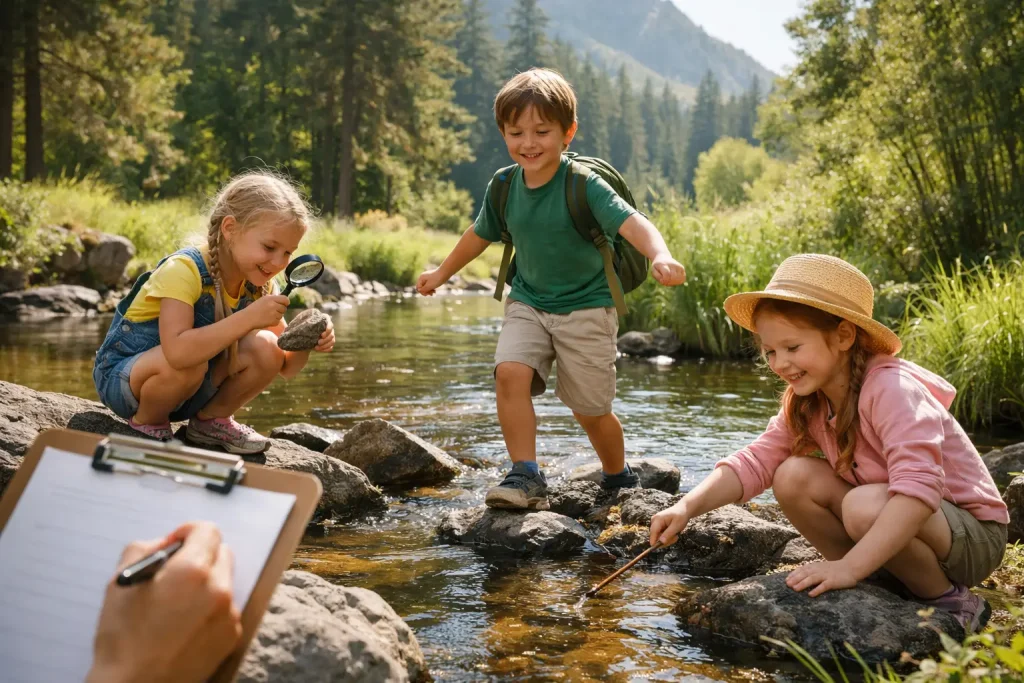
Outdoor space deserves special attention. A meaningful preschool experience is not confined to four walls. Gardens, nature corners, open play areas and outdoor classrooms can support physical development, sensory discovery and confidence in ways worksheets cannot. If a school speaks about holistic development, the environment should show it.
Look closely at the teachers
Teachers shape the emotional climate of a preschool. Qualifications and training matter, but so does the way adults relate to children moment by moment. Watch how staff kneel to a child’s level, guide behaviour, respond to tears and encourage language. Warmth without structure can feel chaotic. Structure without warmth can feel cold. Young children need both.
It is worth asking how long teachers tend to stay at the school. Consistency can be deeply reassuring for children, especially during the settling-in period. High staff turnover is not always a red flag on its own, but it should prompt more questions about leadership, support and continuity of care.
You may also want to ask how teachers observe progress. In the strongest settings, educators do not simply supervise. They notice interests, understand developmental milestones and use those observations to plan experiences that stretch each child gently and appropriately.
Review the curriculum, not just the timetable
A timetable can look full and still lack depth. When reviewing a curriculum, try to understand what sits behind the daily activities. Ask how the school supports communication, early numeracy, problem-solving, creativity, self-help skills and social development. The most thoughtful programmes are structured, but they still leave room for play, inquiry and discovery.
This is where nuance matters. Some families want stronger school readiness. Others prioritise confidence, speech, sociability or sensory development in the early years. Usually, the best private preschools do not force a choice between care and learning. They combine both in age-appropriate ways.
If the school uses a proprietary or distinctive curriculum, ask how it translates into everyday practice. You want more than appealing phrases. You want to hear how children move through stages of growth, how learning builds year by year and how teachers adapt to different needs and personalities.
Notice how the school supports the whole child
A preschool should help children grow academically, emotionally, socially and physically. That means looking at more than letters and numbers. How does the school build resilience when a child feels frustrated? How are kindness and turn-taking encouraged? Are children given opportunities to make choices, solve small problems and develop independence?
Creative experiences matter here too. Music, art, movement, role play and storytelling are not extras. They help children express ideas, develop language, regulate emotions and build confidence. The same is true of sensory play and outdoor exploration. For many young children, real understanding begins with doing, touching, noticing and trying again.
A culturally inclusive environment can also enrich the early years. When children see different traditions, languages and family backgrounds respected, they begin to understand community in a generous and meaningful way.
Questions to ask during your preschool review
Some of the most useful questions are simple. How are new children helped to settle in? What happens if a child is shy, very active or not yet toilet trained? How do teachers communicate with parents about progress, behaviour and daily routines? How much outdoor time do children get in a normal week, not just on special occasions?
Ask about class size and adult-to-child ratios, but do not stop there. A small class is valuable, yet what adults do with that ratio matters just as much. You can also ask how conflict is handled, how rest time works, and how the school balances guided learning with child-led exploration.
If meals or snacks are provided, ask about nutrition and routines around eating. If not, ask how lunch and snack times are supervised. These daily moments often reveal a great deal about care, independence and the overall culture of the school.
Safety should feel visible, not hidden
Parents should never feel awkward asking about safety. A high-quality preschool will welcome those questions. Ask about arrival and collection procedures, visitor access, hygiene routines, first aid training and emergency preparedness. If there are outdoor areas, notice whether they are thoughtfully supervised and well maintained.
Safety also includes emotional safety. Do children appear comfortable asking for help? Are teachers respectful in their tone? Is behaviour guidance calm and consistent? A secure child is not a silent child. It is a child who feels seen, protected and able to participate fully.
Look for evidence, not promises
Many schools describe themselves as nurturing, stimulating and child-centred. Those words can be true, but they are also easy to print on a brochure. During your visit, look for real evidence. Are children speaking confidently with adults? Do displays reflect children’s own work and thinking, or only polished final products? Does the routine appear purposeful and settled?
It can help to review more than one setting before deciding. Comparison often sharpens your judgement. You may realise one school feels wonderfully warm but lacks progression, while another offers strong structure but less room for play and imagination. These trade-offs are normal. The right answer depends on your child’s temperament and what your family values most.
How to compare options fairly
Try to review each preschool soon after visiting, while details are fresh. Note the atmosphere, teacher interactions, outdoor provision, cleanliness, communication style and curriculum approach. Also record your child’s response, if they visited with you. Sometimes a child’s body language tells you more than a formal presentation ever could.
Be honest about practical considerations too. Travel time, session hours, holiday programmes and communication with working parents can all affect daily family life. A wonderful preschool that creates constant logistical strain may not feel wonderful for long. Fit matters in very practical ways.
If you are exploring options in Johor Bahru neighbourhoods such as Taman Impian Emas, Bandar Dato Onn or Setia Tropika, campus design and ease of access may become part of the picture as well. A purpose-built setting with generous green space can offer a very different early years experience from one operating in a more limited indoor environment.
Trust your judgement, but test it
Instinct has a role in this decision. Parents often sense when a place feels right. Still, instinct is strongest when supported by good questions. If you love a school, ask the harder questions anyway. If you feel uncertain, try to identify why. It may be something small, or it may point to a deeper mismatch.
For families seeking a premium preschool experience, the goal is not simply impressive facilities. It is a setting where skilled teachers, purposeful curriculum, outdoor discovery and genuine care come together in a way that helps a child flourish. That is the standard worth holding on to.
One careful visit can change the way you see early education. Use your checklist, stay curious, and keep your child at the centre of every question. The right preschool should feel less like a showroom and more like a place where childhood is respected, guided and allowed to bloom.