The first few minutes of a preschool tour often feel charming. You notice cheerful classrooms, smiling teachers and tiny tables set for busy hands. But the best questions for preschool tours help you look beyond the lovely first impression and understand what daily life will actually feel like for your child.
A good tour is not about catching a school out. It is about seeing whether the environment, teaching approach and rhythm of the day match your family’s hopes for these early years. Some parents want stronger school readiness, some want more outdoor exploration, and some are searching for a gentler start for a child who needs time to settle. Most want all three in the right balance.
Why the best questions for preschool tours matter
Preschool is where many children first learn how to belong to a group beyond home. They begin to practise independence, language, emotional regulation, early thinking skills and social confidence. That means a tour should tell you far more than whether the walls are nicely decorated.
The right questions reveal how a school thinks. You start to hear whether staff speak about children with warmth and respect, whether learning is thoughtfully structured, and whether play is treated as meaningful work rather than filler between lessons. You can also spot the difference between a school that simply looks polished and one that is intentionally designed for children to flourish.
Start with the child experience
A very useful opening question is, “What does a typical day look like for a child in this age group?” This encourages the school to talk about routines, transitions, learning blocks, snack times, outdoor play and rest. Listen for a day that feels purposeful without being overly rigid. Young children usually do best when there is a clear structure, but also enough flexibility for curiosity, movement and individual needs.
It also helps to ask, “How do you help children settle in when they are new?” The answer can tell you a great deal about the emotional culture of the school. Some children walk in happily from day one. Others need a slower, gentler transition. A thoughtful preschool will have a settling-in process that respects both the child and the parent.
Another strong question is, “How do you support different personalities?” In every class, there are chatty children, cautious observers, energetic explorers and those who need more reassurance. You want to hear that teachers notice these differences and respond with care rather than expecting every child to fit one mould.
Questions about teaching and learning
When parents hear the word play-based, they sometimes worry that it means unstructured or light on learning. This is exactly why you should ask, “How does your curriculum support development through play?” A strong answer will connect play with clear outcomes such as language development, early numeracy, problem-solving, confidence, fine motor control and social skills.
You can then ask, “How do you balance creativity, exploration and school readiness?” This is often where the real character of a preschool becomes clear. Some settings lean heavily academic very early on. Others are wonderfully warm but less intentional about progression. Ideally, you are looking for a balance where children build strong foundations through meaningful, age-appropriate experiences.
It is also worth asking, “How do you know a child is making progress?” You are not expecting formal testing for young children, but you do want to hear that teachers observe carefully, document development and communicate what they see. Progress in preschool is not only about letters and numbers. It can also be seen in resilience, concentration, language, independence and friendships.
Ask how learning happens beyond the classroom
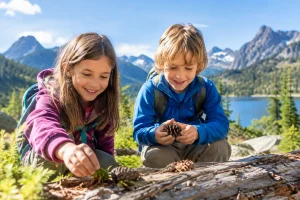
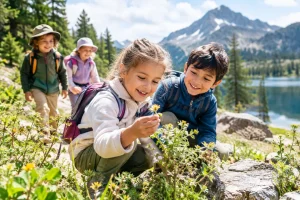
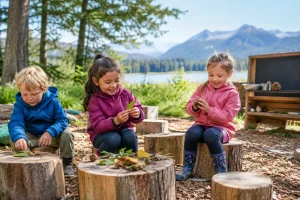
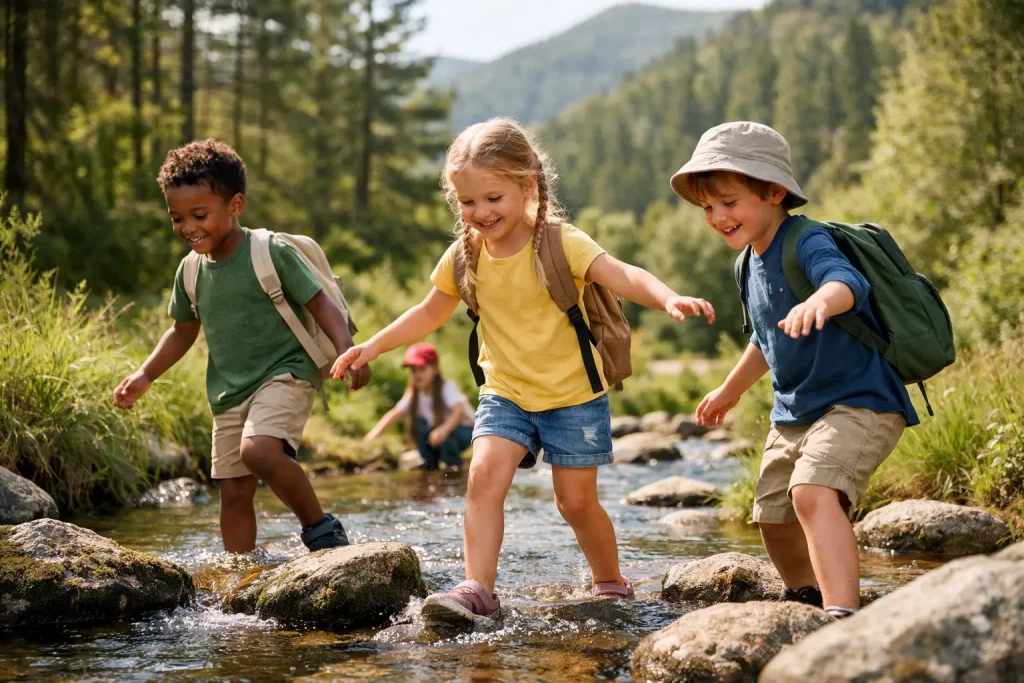
If outdoor learning matters to your family, ask, “How often are children outside, and what do they do there?” This question tends to separate schools with a small play break from those that genuinely use outdoor spaces as part of the learning environment. Nature-connected experiences can support sensory development, gross motor strength, confidence, curiosity and a calmer, happier relationship with learning.
You might also ask whether outdoor time continues in different kinds of weather, how excursions are handled and how children are encouraged to explore safely. A purpose-built environment with green space can offer far more than fresh air. It can become part of how children investigate, imagine and grow.
Questions about teachers and care
Children remember how school makes them feel long before they remember any worksheet. That is why staffing questions matter so much. Ask, “What training and experience do your teachers have?” and “How do you support your staff professionally?” Well-supported teachers tend to be more confident, consistent and present with children.
You can also ask, “How do teachers handle conflict, big emotions or challenging behaviour?” This is one of the most revealing questions on any tour. Listen for calm, respectful approaches that teach children what to do rather than simply telling them what not to do. A nurturing school will talk about guidance, modelling, communication and partnership with parents.
Another helpful question is, “What is the adult-to-child ratio in this class?” Ratios are not the whole story, but they do affect supervision, responsiveness and the amount of individual attention children receive. Lower ratios can be especially valuable for younger children or those still building confidence in group settings.
Safety, wellbeing and practical care
Even the most beautiful preschool will not feel right if you are uneasy about safety. Ask, “How do you manage arrivals, departures and visitor access?” and “What are your procedures for illness, accidents and emergencies?” The answers should be clear and confident, not vague.
It is also sensible to ask about hygiene, meal arrangements and toileting support, especially for younger children. These practical details shape a child’s comfort every day. A caring school will speak about them matter-of-factly and with dignity.
For families considering a premium preschool environment, facilities also matter. Ask how classrooms are designed for different age groups, whether there are sensory-rich spaces, and how the campus supports movement, creativity and calm. In a setting such as Alpine Preschool, where the environment is carefully designed around both structured learning and outdoor discovery, these details can make a meaningful difference to the quality of the child’s day.
Questions about communication with parents
Parents do not need minute-by-minute updates, but they do need trust. Ask, “How do you communicate with families about daily experiences and development?” Some schools provide regular feedback, learning updates or parent meetings. Others are more informal. Neither approach is automatically better, but it should suit your expectations and give you confidence that you will not be left guessing.
Another good question is, “How do you work with parents if concerns arise?” Whether the issue is speech, separation anxiety, friendships or behaviour, you want to know the school sees parents as partners. A reassuring answer will include timely communication, sensitivity and practical next steps.
How to read the answers, not just hear them
The best preschool tours are not only about the questions you ask. They are also about what you observe while the answers are being given. Do teachers greet children warmly? Do children appear relaxed and engaged? Is there evidence of real work, play and exploration, or mostly display boards arranged for adults?
Notice the language staff use. Schools that truly understand early childhood tend to speak about development with clarity and kindness. They can explain why they do what they do. They do not rely only on marketing phrases.
It is also completely reasonable to compare notes after several tours. One school may have stronger facilities, another may have a gentler atmosphere, and another may offer a more defined educational pathway. The right fit depends on your child’s temperament, your family values and what you want these first school years to feel like.
A simple shortlist of the best questions for preschool tours
If you want to arrive prepared, these are the questions most worth keeping on hand:
- What does a typical day look like for my child’s age group?
- How do you help new children settle in?
- How does your curriculum support learning through play?
- How do you balance school readiness with creativity and exploration?
- How do you assess and share a child’s progress?
- How often do children learn outdoors, and how is that time used?
- What training and experience do your teachers have?
- How do you handle conflict, emotions and behaviour?
- What is the adult-to-child ratio?
- How do you communicate with parents?
- What are your safety and emergency procedures?
- How does the environment support different stages of development?
Bring the list, but trust the conversation as well. Sometimes your most important question comes from something you notice in the moment – a quiet child watching from the edge of a group, a muddy garden area full of investigation, or a teacher kneeling to listen properly.
The right preschool should feel like a place where childhood is taken seriously in the best possible way – with warmth, intention and room to grow. Ask the questions that help you picture your child there, not just for the tour, but for the ordinary mornings that will soon become precious memories.