One family asks at age two because their child chatters happily with everyone at the playground. Another waits until four because their little one still clings tightly at every goodbye. If you are wondering what age should child start preschool, the honest answer is not one number for every child. It is a blend of developmental readiness, family needs, temperament, and the quality of the preschool environment.
For many children, preschool begins somewhere between ages two and four. That is the common window because it matches a period of rapid language growth, social development, emotional learning, and curiosity about the wider world. Yet starting earlier is not automatically better, and starting later is not automatically a disadvantage. The right timing is the point at which your child can benefit from gentle structure, guided play, and time with others without being overwhelmed by it.
What age should child start preschool in real terms?
If we move beyond the simple age question, preschool is really about readiness for a shared learning environment. Some two-year-olds are eager to explore, follow simple routines, and separate from parents with reassurance. Some three-year-olds are only just reaching that point. Some four-year-olds bloom once they enter a lively, well-supported classroom, even if they seemed hesitant beforehand.
That is why age should be seen as a guideline rather than a rule. A thoughtful preschool programme meets children where they are and helps them grow from there. The strongest early years settings do not rush children into formal academics too soon. Instead, they build confidence, communication, independence, and joyful learning habits through play, routine, movement, and meaningful experiences.
In practical terms, many parents find that age two is a suitable time for a gentle playgroup or nursery-style introduction, especially for short sessions. Age three often works well for a more established preschool routine, as children are usually more verbal, more socially aware, and better able to manage transitions. By age four, preschool can become an especially valuable bridge into kindergarten expectations, helping children strengthen attention, self-help skills, and early thinking skills.
Signs your child may be ready for preschool
Readiness does not mean your child must be perfectly independent, toilet trained, or socially confident from day one. Preschool exists to help children develop those skills. What matters more is whether they show the beginnings of readiness.
A child may be ready if they show interest in other children, enjoy exploring new toys or spaces, and can cope with a short routine such as snack time, tidy-up time, or story time. Simple communication also helps, whether through words, gestures, or both. If your child can express basic needs and recover with comfort after a small upset, that is often a strong sign.
Separation is another factor, but not in an all-or-nothing way. Many children cry at drop-off and still settle beautifully after a few minutes. A little nervousness is normal. The bigger question is whether your child can gradually build trust with other caring adults.
You may also notice growing independence at home. Perhaps your child wants to carry their own bag, wash their hands alone, choose a book, or help put toys away. These small moments often signal readiness for a preschool setting where independence is gently encouraged.
When waiting a little longer can help
There are also times when delaying preschool slightly may be the kinder choice. If your child becomes intensely distressed by separation and struggles to recover, a slower transition may help. If they are experiencing a major life change, such as a move, a new sibling, or disrupted sleep, it may be wise to wait until life feels steadier.
Some children are simply slower to warm up. That does not mean they are not capable learners. It may mean they need a quieter entry point, shorter sessions, or a setting with especially warm routines and a low-pressure approach.
Parents sometimes worry that waiting means a child will fall behind. In reality, there is no prize for the earliest start if the environment does not suit the child. A secure, confident start is usually more beneficial than a rushed one.
Why the preschool environment matters as much as age
When parents ask what age should child start preschool, they are often really asking whether their child is ready. An equally important question is whether the preschool is ready for your child.
A strong preschool environment makes all the difference. Young children thrive in spaces that feel calm, beautiful, safe, and purposeful. They need trained teachers who understand early childhood development, not just classroom management. They need room to move, imagine, ask questions, and engage their senses.
This is where quality matters more than labels. A two-year-old in a nurturing, play-based environment with thoughtful routines may flourish. A three-year-old in a setting that is too rigid, crowded, or academically pressured may withdraw. The best early years programmes balance structure with warmth and learning with wonder.
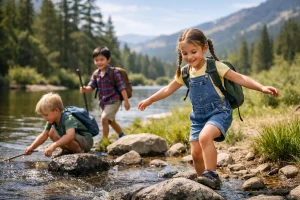
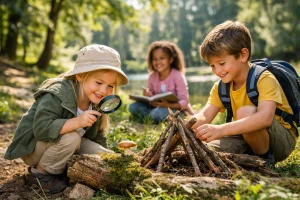
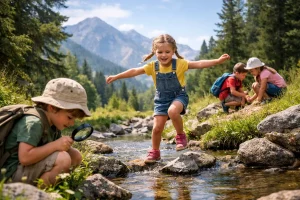
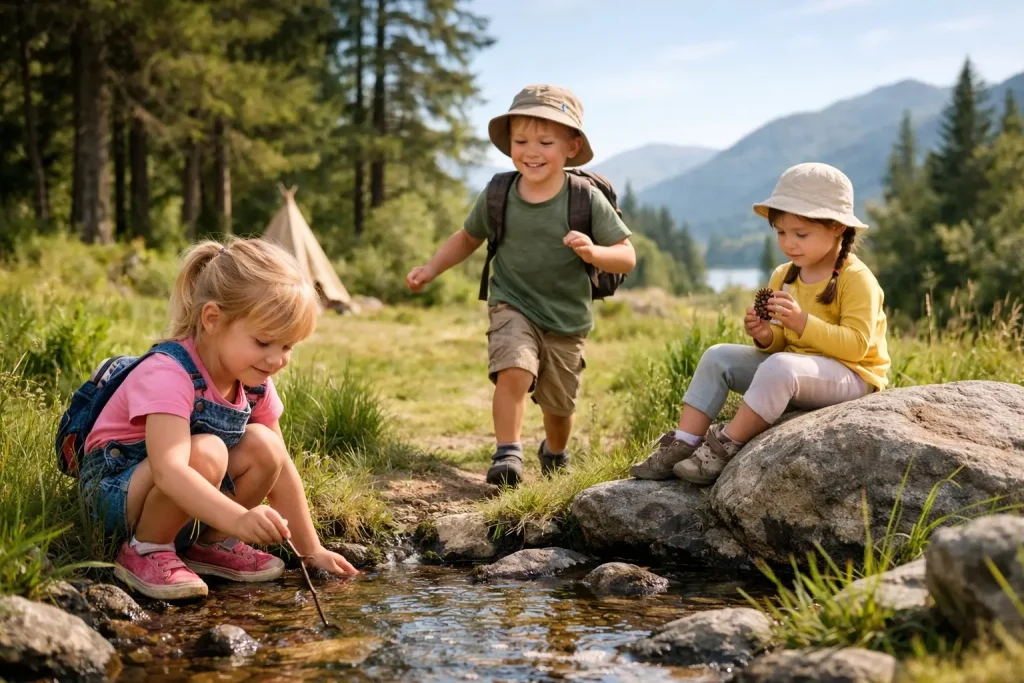
Nature-connected learning can be especially powerful at this age. Outdoor classrooms, green spaces, sensory play, and real-world exploration support physical coordination, language, emotional regulation, and curiosity all at once. For many children, being outdoors helps them settle, connect, and learn more naturally.
Different ages, different preschool goals
At age two, preschool should feel like a gentle introduction to shared experiences. The focus is often on trust, routine, sensory play, movement, songs, stories, and early social interaction. Children learn that school can be a happy, secure place away from home.
At age three, many children are ready for more sustained play, richer language experiences, early problem-solving, and stronger friendships. They begin to understand turn-taking, group routines, and imaginative collaboration. This is often the sweet spot for preschool because development is moving quickly in every direction.
At age four and beyond, preschool becomes a valuable stage for deepening school readiness. This does not mean worksheets and pressure. It means learning to listen, ask questions, persist with challenges, express ideas, and build the foundations for literacy and numeracy in developmentally appropriate ways.
A staged pathway can help parents feel confident that each year has a clear purpose. At Alpine Preschool, for example, children move through age-appropriate experiences designed around developmental milestones, from early readiness and social confidence to cognitive expansion and foundational thinking skills.
Questions parents can ask before deciding
Instead of asking only about age, it can help to ask a few richer questions. Does my child seem curious about the world beyond home? Can they cope with a simple routine? Are they likely to enjoy regular time with other children and trusted adults?
Then look closely at the setting itself. Does it feel warm and child-centred? Are children actively engaged rather than passively managed? Is there space for outdoor learning, creativity, rest, and movement? Do teachers speak about development in a thoughtful way, rather than promising quick academic results?
These questions usually reveal more than a brochure ever can. The right preschool should feel like a place where childhood is respected and where learning is built through experience, relationship, and joy.
The best age is the age that supports flourishing
There is no single perfect answer to what age should child start preschool. For many families, the right beginning sits between two and four years old. Within that range, the best age is the one that matches your child’s emotional readiness, developmental stage, and the quality of the environment you choose.
If your child is bright, curious, and eager to explore, an earlier start may be wonderful. If they need more time, a slower approach can be just as wise. Preschool is not a race. It is the beginning of how a child feels about learning, relationships, and their place in the world.
Choose a setting that sees the whole child, not just the timetable. When children are welcomed with care, guided by trained educators, and given room to play, wonder, and grow, preschool becomes more than preparation for school. It becomes a beautiful first step into a larger world.