
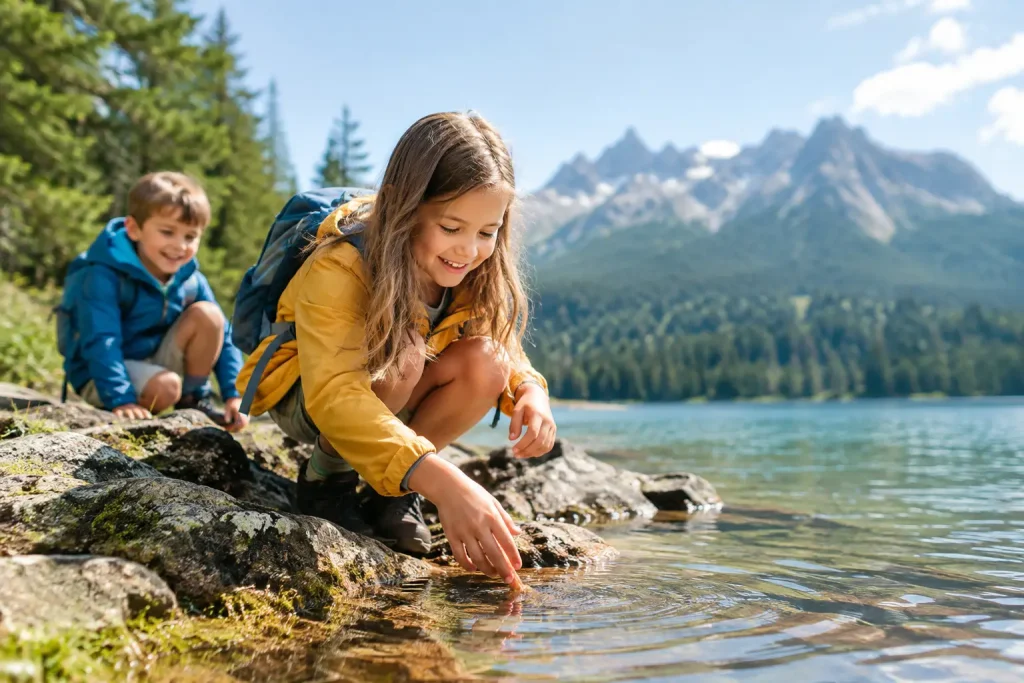
A child crouched beside a garden bed, noticing the trail of an ant, is doing far more than passing time outdoors. They are asking questions, concentrating, using language, managing excitement and building a relationship with the living world. The future of preschool learning will not be defined by how early children can complete worksheets. It will be shaped by how well they are supported to stay curious, capable and connected as they grow.
For parents, this can feel reassuring. A high-quality early years education does not ask children to rush through childhood in the name of school readiness. It gives them the experiences, guidance and structure that make later learning feel possible and enjoyable.
The Future of Preschool Learning Is Whole-Child Learning
Young children do not separate learning into neat subjects. A puddle can become a science investigation, a counting activity, a lesson in turn-taking and a joyful sensory experience all at once. When a preschool programme recognises this, learning becomes meaningful rather than performative.
Academic foundations still matter. Children benefit from rich vocabulary, early number sense, mark-making, listening skills and an understanding of stories. Yet these foundations are strongest when they grow from real experiences. Measuring ingredients while making a snack has more purpose than repeating numbers without context. Retelling a favourite story with puppets develops language while also inviting imagination and confidence.
This is why the future will belong to environments that balance play with intention. Play is not the opposite of learning. Thoughtfully planned play is how young children test ideas, practise skills and make sense of what they see around them. Skilled teachers observe closely, know what each child is ready for and introduce the next gentle challenge at the right moment.
Nature Will Become Part of the Classroom
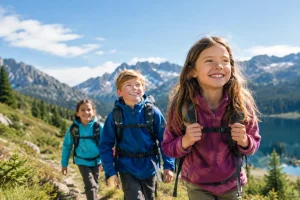
As family life becomes busier and children spend more time indoors, access to green space has become a meaningful part of early education. Nature offers what young children need most: room to move, things to notice and manageable challenges that build confidence.
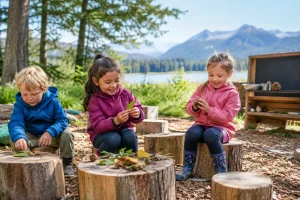
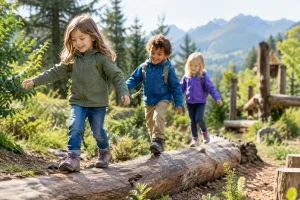
Climbing, balancing on uneven ground and carrying natural materials strengthen coordination and body awareness. Watching seeds sprout encourages patience. Collecting leaves can lead to sorting, comparing and new descriptive words. Outdoor classrooms also invite children to collaborate naturally, whether they are building a den, caring for plants or negotiating whose turn it is to use a watering can.
Outdoor learning is not simply indoor activities moved outside. It works best when children can encounter changing weather, seasons, textures and living things with thoughtful adult support. A rainy day may call for waterproofs and puddle investigations; a warm morning may bring shade, water play and quiet observation. Safety and freedom should sit together. Children need clear boundaries, attentive supervision and the chance to take age-appropriate risks.
For families in Johor Bahru, a preschool with expansive green spaces can offer a valuable counterpoint to urban routines. It gives children a place to run, explore and breathe, while learning remains purposeful throughout the day.
Technology Has a Place, but Not the Leading Role
Technology will continue to influence education, including the early years. Digital tools may help teachers document children’s development, share meaningful observations with parents and adapt planning to individual needs. Video calls can connect children with faraway relatives or support a cultural project. Carefully chosen tools can be useful when they serve a clear educational purpose.
But a screen cannot replace the feedback a child receives from squeezing clay, the social learning of building with friends or the comfort of a teacher who notices a worried face. For children aged two to seven, relationships, movement, conversation and hands-on discovery remain essential.
The most thoughtful preschools will use technology quietly, rather than allowing it to dominate the day. Parents should be wary of promises that more devices automatically mean better learning. The better question is: what does this activity help my child experience, understand or communicate that they could not do as well another way?
School Readiness Will Mean More Than Early Academics
Many parents understandably want reassurance that their child will be ready for primary school. The definition of readiness, however, is becoming broader and wiser. A child who can recognise letters but struggles to separate from a parent, follow a simple routine or recover after frustration may need more support than their academic skills suggest.
Readiness includes independence: washing hands, putting away belongings and attempting tasks before asking an adult to step in. It includes social confidence: joining a group, expressing a need and learning that friends may see things differently. It includes emotional literacy: naming feelings, waiting briefly and finding a way forward after disappointment.
These abilities are not extras. They help children participate fully in classroom life and create a secure platform for literacy and numeracy. A structured developmental pathway, from playgroup through nursery and kindergarten, can build them gradually. The right expectations vary by age and temperament, so progress should never be treated as a race.
Teachers Will Matter More, Not Less
As information becomes easier to access, the human role of the teacher becomes even more valuable. Early childhood educators do more than lead activities. They create a calm rhythm to the day, recognise emerging interests, extend a child’s thinking and form trusting partnerships with families.
A trained teacher may notice that a child who rarely speaks in a large group tells detailed stories during small-world play. They can use that insight to build confidence without placing the child under pressure. They may see that a child’s repeated interest in ramps is an opening for early scientific thinking, rather than simply tidying the blocks away.
This professional judgement is what turns a beautiful campus or an attractive activity into a genuine learning experience. It also helps parents understand development in a clearer, kinder way. Rather than receiving a list of isolated achievements, families can see how their child is growing socially, emotionally, physically and cognitively.
Cultural Awareness and Kindness Will Be Everyday Skills
The classrooms of the future will reflect the varied families and communities children belong to. Cultural awareness begins in simple, sincere ways: hearing different languages, enjoying stories from many places, sharing family traditions and learning that there are many respectful ways to live and celebrate.
Kindness will be equally important. Children learn it through daily practice, not posters alone. They learn it when adults model patient language, when a teacher helps them repair a disagreement and when they care for a younger child, a classroom pet or a growing plant. These moments develop empathy alongside confidence.
A child-centred preschool should make room for individuality while helping children understand that they are part of a community. That balance prepares them not only for school, but for friendships, family life and an increasingly connected world.
What Parents Can Look For
When choosing an early years setting, look beyond the most polished display or the longest list of activities. Notice whether children appear engaged and at ease. Ask how teachers plan for different stages of development, how outdoor learning is used and how the school supports children through big feelings and new routines.
It is also worth asking how progress is shared. The most useful communication gives parents a window into their child’s experiences and next steps, rather than reducing development to a score. A strong preschool partnership respects that parents know their children deeply, while educators bring specialist knowledge of how young children learn.
At Alpine Preschool, this belief is reflected in a carefully staged curriculum, trained educators and opportunities for children to learn through outdoor classrooms, excursions and creative exploration. The aim is not to fill childhood with pressure, but to make it rich with experiences that encourage each child to flourish.
The future will ask children to adapt, collaborate and think creatively. The best preparation begins with mud on small boots, a question worth following, a caring teacher nearby and a childhood that feels wonderfully full of possibility.