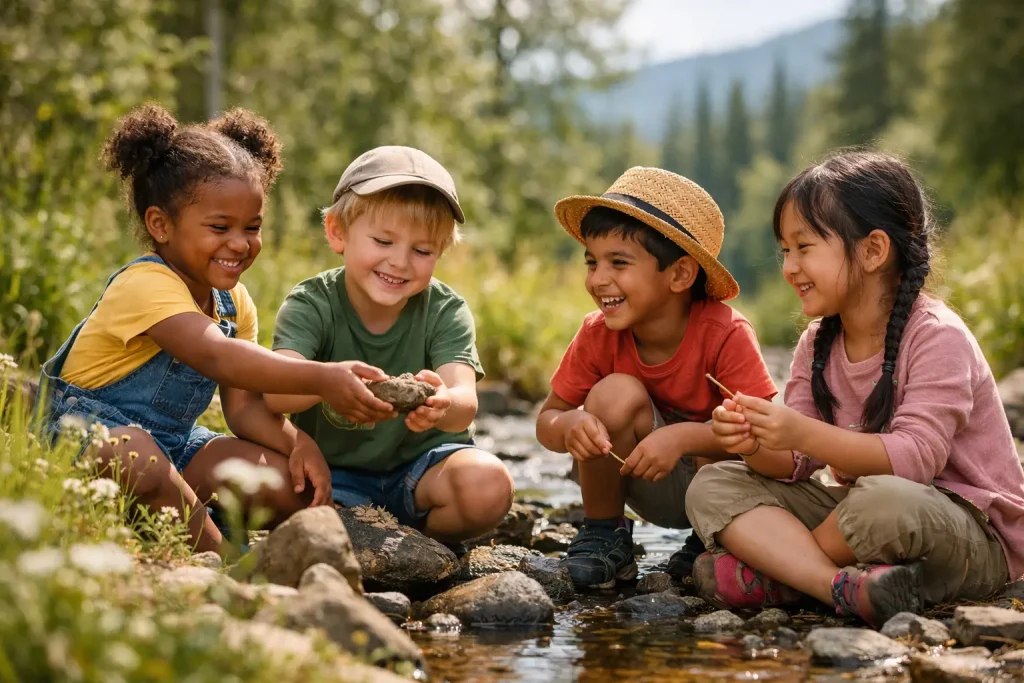
A child may not yet know the word “culture”, but they quickly notice the details that make people beautifully individual: the language spoken at home, a grandparent’s special recipe, a festive outfit, a family tradition or the music that brings everyone together. Cultural diversity in preschool gives children a warm, guided place to notice those differences with curiosity rather than uncertainty.
For families, this is about far more than celebrating an occasional festival. A culturally responsive preschool helps each child feel that their home life matters, while giving them daily opportunities to understand and respect the experiences of others. It is one of the earliest foundations for kindness, confidence and a genuine sense of belonging.
Why cultural diversity matters in the early years
The preschool years are a remarkable period of social and emotional growth. Children are learning who they are, how relationships work and what it means to be part of a group. When the classroom reflects a range of families, languages, abilities and traditions, children receive a powerful message: there is more than one way to live, celebrate, communicate and care for one another.
This matters for every child. A child whose family background is represented can feel recognised and proud. A child who encounters unfamiliar traditions learns that difference is not something to fear or merely tolerate. It is a natural part of community life, worthy of respect and interest.
These experiences also support language development. Listening to greetings in different languages, hearing a story from another place or learning the names of foods and celebrations expands a child’s vocabulary and strengthens their ability to listen closely. Most importantly, it develops empathy. Young children begin to understand that a friend may have a different experience from their own, yet still share the same feelings of excitement, worry, love and joy.
What cultural diversity in preschool looks like every day
Meaningful inclusion is woven into ordinary moments. It can be present in the books children read, the dolls and role-play materials they choose, the songs they sing and the family photographs displayed at child height. It lives in the way educators pronounce names carefully, invite parents to share traditions and respond openly when children ask honest questions.
A classroom might explore homes around the world through small-world play, build a market together with pretend foods from different cuisines, or read stories featuring families with varied traditions. During outdoor learning, children may compare plants used in family cooking or create patterns inspired by textiles and art from different places. These are gentle, joyful invitations to learn, rather than lessons that ask children to memorise facts.
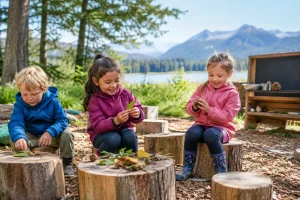
At Alpine Preschool, nature-connected experiences offer an especially natural setting for these conversations. A shared garden, outdoor classroom or picnic blanket can bring children together around something universal: caring for living things, noticing the seasons and enjoying time with friends. From there, educators can help children see how families across cultures may enjoy nature, prepare food or celebrate seasonal occasions in their own ways.
The most valuable approach is consistent rather than occasional. A single international day can be exciting, but it should not carry the full responsibility for inclusion. Children benefit when diverse voices, images and experiences are present throughout the year, not only on a special date in the calendar.
Representation should feel real, not decorative
There is a difference between displaying colourful flags and helping children understand the people and stories behind them. Decorations can make a space welcoming, but authentic cultural learning begins with relationships. It comes from hearing a parent explain a family celebration, reading stories written from a community’s own perspective, or allowing a child to describe something meaningful from home.
Educators should also avoid presenting a whole country or culture as one fixed image. No child should feel expected to speak for everyone who shares their heritage. Families are wonderfully varied, even when they share a language, nationality or faith. A thoughtful teacher uses open questions such as, “How does your family celebrate?” rather than assuming that every family follows the same custom.
The teacher’s role: curiosity with care
Children often ask direct questions. They may notice a friend’s clothing, skin tone, lunch or accent and say exactly what they are thinking. These moments need calm, respectful guidance, not embarrassment or silence.
A trained educator can acknowledge what a child has noticed and offer simple, age-appropriate language. “Yes, our skin can be different colours, and every colour is beautiful.” Or, “Amir’s family speaks another language at home. Would you like to learn how he says hello?” This shows children that it is acceptable to be curious, while teaching them to speak with kindness.
Teachers also set the emotional tone through their own choices. They model listening, correct stereotypes gently and make room for children who may be shy about sharing. A child should never be pressured to perform a song, bring food or explain a tradition simply because of their background. An invitation is welcoming; an expectation can feel uncomfortable.
There are trade-offs to consider. A busy programme filled with themed activities may look impressive, but too many disconnected events can confuse young children or reduce culture to costumes and crafts. Fewer, richer experiences often have greater value. The aim is not to expose children to everything at once. It is to nurture a habit of respect that grows with them.
How families can strengthen the learning at home
Preschool and home work best as partners. Parents do not need to be experts in world cultures to encourage openness. Small, everyday choices can make a lasting difference.
Talk positively about the friends your child mentions at school. If they ask a question about something unfamiliar, answer simply and honestly, then encourage them to learn more respectfully. Reading stories with a wide range of characters, trying foods from different traditions and speaking warmly about your own family history all help children see diversity as part of ordinary life.
It is also helpful to share with teachers what matters to your family. Perhaps your child has a special greeting, a meaningful celebration, a beloved song or dietary consideration. This information helps educators create a more caring environment and gives your child the pleasure of seeing a piece of home welcomed at school.
Families should feel able to ask how inclusion is approached in the classroom. Good questions include whether books and resources reflect different families, how teachers respond to children’s questions about difference, and how celebrations are introduced without stereotypes. A premium early years setting should be able to describe its approach with clarity and warmth.
Building belonging alongside school readiness
Some parents understandably focus on early literacy, numeracy and preparation for the next stage of education. These foundations matter. Yet a child’s ability to learn is deeply connected to whether they feel safe, valued and ready to participate.
When children learn to work alongside peers with different backgrounds, they practise essential skills: taking turns, listening, communicating their needs and resolving small disagreements. They gain the confidence to enter new groups and the flexibility to consider another point of view. These are not separate from school readiness. They are part of it.
A child who feels secure in their own identity is also more able to engage with others. That is why cultural diversity should never mean asking children to leave their family life at the classroom door. The best preschool environments make room for each child’s story while creating a shared community where everyone can play, explore and flourish together.
The goal is beautifully simple. Children should leave preschool knowing that people may look, speak, eat, worship and celebrate differently, and that these differences can be met with warmth. When a child learns this early, kindness becomes more than a classroom rule. It becomes a way of seeing the world.