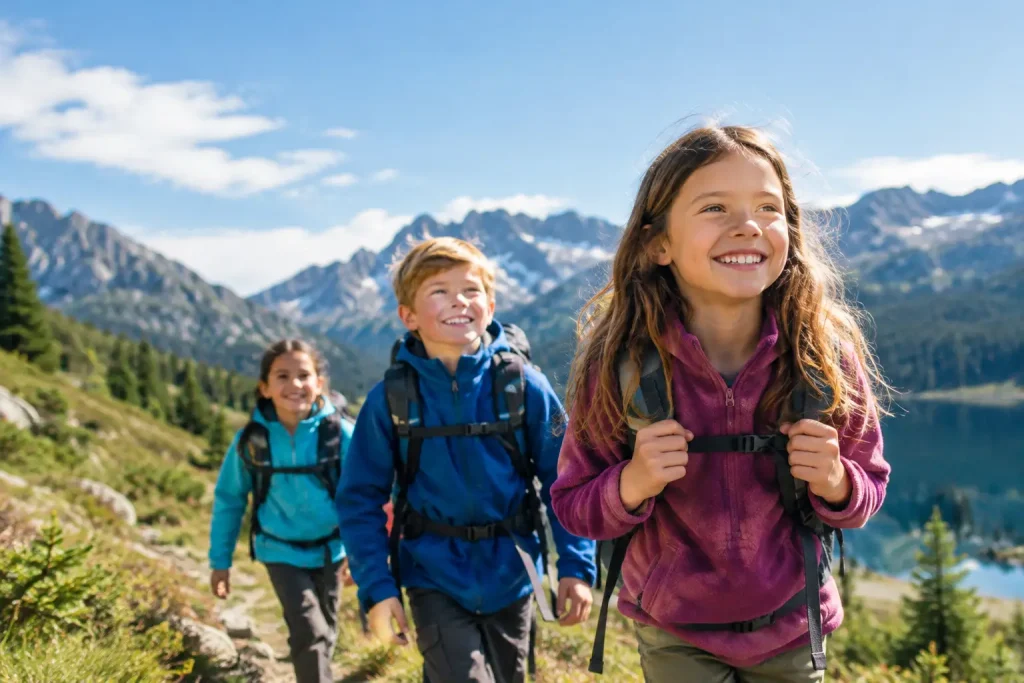
A preschool visit can feel full of possibility: small hands painting, children laughing beneath the trees, teachers kneeling to listen. Alongside that feeling, parents need clear answers. The best questions about school safety help you look beyond a tidy classroom or friendly welcome and understand how a school protects children throughout an ordinary day.
For children aged two to seven, safety is more than a locked gate. It is the confidence to explore, the reassurance of familiar routines, and the knowledge that caring adults are attentive at every stage. A truly nurturing school makes space for wonder while putting thoughtful safeguards around it.
Begin with the daily rhythm
Ask how children are welcomed at arrival, who is permitted to collect them, and what happens if a usual arrangement changes. These small moments can be the most important ones. A well-managed school should have a clear sign-in and sign-out process, named authorised collectors, and a reliable way to verify unexpected changes.
It is also useful to ask how staff account for children as they move between classrooms, washrooms, meals, outdoor areas and activities. Young children move quickly, particularly when something exciting catches their attention. Consistent headcounts and calm transition routines allow children to enjoy independence without losing the close supervision they need.
You might ask, “Who knows where my child is during the day?” The answer should describe a practical routine rather than a vague promise of care.
Questions about school safety and supervision
The quality of supervision is shaped by more than the number of adults in a room. Ask about staff-to-child ratios, whether teachers receive support during busy parts of the day, and how the school covers absences. Children deserve familiar, attentive adults, not a classroom that becomes stretched when one person is away.
Ask how teachers are recruited, trained and supervised. In early childhood settings, trained educators notice the quieter signs that a child is tired, upset, overwhelmed or unwell. They know when to step back to encourage problem-solving and when to step in promptly. This balance supports both safety and healthy confidence.
It is reasonable to ask whether staff receive safeguarding training, first-aid training and regular refreshers. You can also ask who is responsible for child protection concerns and how parents would be informed if an issue arose. A professional school will answer directly, with sensitivity and without making you feel that you have asked the wrong question.
Look closely at outdoor learning
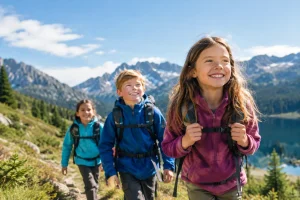
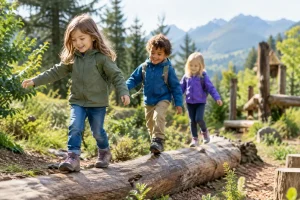
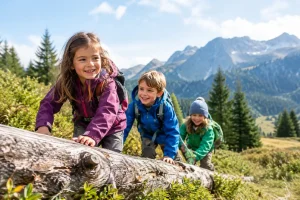
Outdoor play is one of childhood’s great gifts. Climbing, balancing, digging, running and noticing insects all strengthen coordination, curiosity and resilience. Yet outdoor learning should never mean leaving safety to chance.
Ask how outdoor spaces are checked before children use them and how equipment is maintained. Find out whether children are supervised in different zones, particularly around climbing structures, water play, gardening areas and entrances. A purpose-built campus should allow children room to move while giving teachers clear sightlines and sensible boundaries.
Weather matters too. In Johor Bahru’s heat and sudden rain, schools need practical plans for shade, hydration, sunscreen arrangements, wet surfaces and lightning. Ask when outdoor activities are adapted or moved indoors. The strongest answer will not suggest that children are kept inside at the first sign of challenge, but that the school assesses conditions carefully and responds with good judgement.
Excursions and off-site experiences deserve the same care. Ask about transport arrangements, adult supervision, emergency contacts and how children are counted before, during and after every journey. Meaningful experiences beyond the classroom can be magical when they are organised with precision.
Ask how the school responds when a child is hurt or unwell
Scraped knees, fevers and occasional tumbles are part of early childhood. What matters is how the school responds. Ask where first-aid supplies are kept, which staff are qualified to administer first aid, and how incidents are recorded and shared with families.
If your child has an allergy, dietary requirement or ongoing medical need, ask how information is stored and communicated to every relevant member of staff. Clarify who can administer medication, where it is kept, and what happens during a medical emergency. Written procedures matter, but so does the confidence and care with which teachers explain them.
Food safety is another useful area to explore. Ask how meals and snacks are supervised, how allergies are managed, and whether children are encouraged to sit calmly while eating. For younger children, these routines support safety as well as social development.
Understand safeguarding in emotional as well as physical terms
Children flourish when they feel emotionally safe enough to speak, try, make mistakes and ask for help. Ask how teachers settle a distressed child, support separation at drop-off, and help children manage disagreements. The aim is not to remove every frustration. It is to ensure that children are guided with patience, boundaries and respect.
Ask how the school handles biting, pushing or repeated unkind behaviour. A thoughtful setting will protect children immediately, communicate appropriately with parents and work on the underlying skills: language, turn-taking, emotional regulation and empathy. Public blame or harsh discipline has no place in a warm early years environment.
It is also worth asking how teachers help children with personal care and toileting. Privacy, dignity and age-appropriate support should be central. Clear procedures reassure parents while helping children develop independence at their own pace.
Find out how the school prepares for emergencies
No parent wants to imagine an emergency, but calm preparation is reassuring. Ask about fire drills, evacuation routes, emergency contacts and procedures for situations such as severe weather, a power cut or an unauthorised person attempting to enter the campus.
The best questions to ask about school safety are often simple: “How will you contact me?” and “What should I do if I cannot reach the school?” Look for a communication plan that is prompt, clear and proportionate. Families need to know about significant incidents without receiving alarming messages for every minor concern.
You may also ask whether visitors are signed in, identifiable and accompanied while on site. A welcoming school can still manage access carefully. In fact, thoughtful visitor procedures are part of what makes a campus feel secure.
Notice whether answers match what you see
During a visit, observe the details. Are gates closed appropriately without making the setting feel forbidding? Are bags, cleaning products and medicines stored safely? Do teachers spread themselves across the play area rather than clustering together? Are children encouraged to wash their hands, use equipment sensibly and ask for help?
Most importantly, notice the atmosphere. Safety should not feel like constant restriction. Children should be able to choose activities, explore natural materials and take manageable risks with an adult nearby. A child learning to climb carefully, negotiate a turn or carry a watering can is building capability, not simply following rules.
At Alpine Preschool, a carefully designed environment, trained educators and spacious outdoor learning can give families the reassurance that childhood exploration is being supported with purpose. Still, every family’s needs are different. A child with allergies, additional needs or separation worries may require more detailed conversations before enrolment.
Choose a school that welcomes those conversations. When a setting can explain its routines with warmth, clarity and care, parents can feel more at ease – and children have the freedom to grow, play and flourish with confidence.