
A cheerful outdoor classroom, a climbing structure and shelves full of inviting materials can tell parents a great deal about a preschool. Yet the most reassuring details are often quieter: a teacher positioned where every child is visible, a gate that closes securely, clear handwashing routines and children who know whom to turn to when something feels wrong. Essential preschool safety features should protect children without making their days feel restricted, allowing curiosity, confidence and joy to grow together.
For children aged two to seven, safety is not simply about preventing bumps and falls. It is the foundation that lets them try a new activity, form friendships, express big feelings and explore the natural world with assurance. When a school gets this balance right, children feel free to be children while parents feel confident that every part of the day has been thoughtfully planned.
Essential preschool safety features begin with thoughtful spaces
A safe preschool environment is designed for the children who use it, rather than adapted from an adult setting. Furniture should be stable and sized appropriately, with rounded edges where needed. Learning resources need to be clean, age-suitable and stored so that children can choose materials independently without accessing items that require close adult supervision.
Good visibility matters just as much as physical equipment. Teachers should be able to observe children across classrooms, corridors and play areas without interrupting their play. Clear sightlines support active supervision, especially during transitions, when children are moving between activities, washing hands, using the toilet or preparing to go outdoors.
Entrances and exits deserve particular attention. A well-managed setting has controlled access, secure gates and a clear process for visitors, collection and authorised adults. Parents should feel that the school knows exactly who is on campus and who is permitted to collect each child. This is a practical detail, but it creates a powerful sense of trust at the start and end of every day.
Purpose-built facilities also consider the everyday realities of early childhood. Non-slip flooring in wet areas, child-friendly toilets, shaded spaces, secure storage for cleaning products and well-maintained equipment all reduce avoidable risks. The goal is not a room with nothing to touch. It is a room where children can touch, build, paint and investigate safely.
Outdoor learning needs boundaries, not limitations
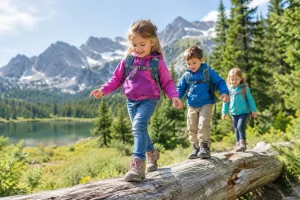
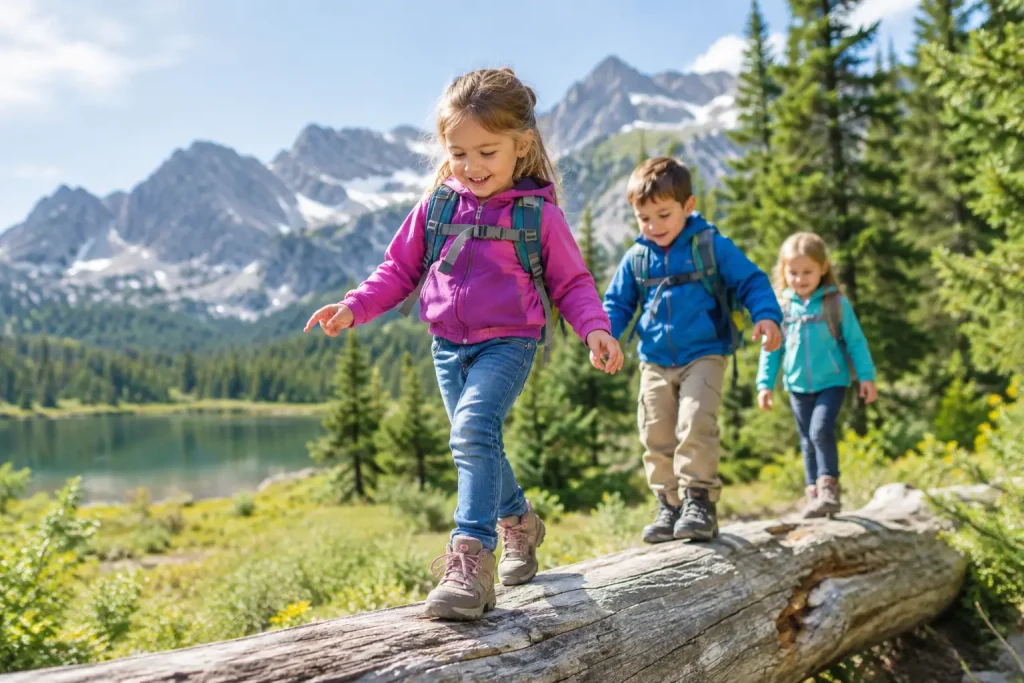
Outdoor play is one of childhood’s richest classrooms. Children develop balance, strength, problem-solving and resilience when they run, climb, dig and observe nature. A high-quality preschool does not treat outdoor time as a break from learning. It treats it as meaningful learning, with safety woven into the experience.
Parents should look for securely enclosed outdoor areas, well-maintained play equipment, age-appropriate climbing opportunities and surfaces that reduce the impact of falls. Gates should be checked, plants selected carefully and water play closely supervised. Shade, drinking water and sensible sun-protection practices are especially valuable in warm weather.
There is a worthwhile distinction between risk and hazard. A low climbing frame may involve a manageable risk that helps a child practise judgement and coordination. Broken equipment, an unsecured gate or an adult distracted during play are hazards that should never be accepted. Skilled educators make this distinction every day, offering children appropriate challenge while preventing avoidable danger.
Safety lives in daily routines and trained care
The most beautiful campus cannot create safety on its own. Children are kept safe by adults who are attentive, prepared and calm. Ask how staff are recruited, trained and supported, including safeguarding procedures, first aid knowledge and the school’s approach to reporting concerns. Training should not be a one-off exercise. It needs to inform daily practice.
Staff-to-child ratios are equally meaningful. Younger children need closer physical proximity and more help with toileting, meals and emotional regulation. Older children may be ready for greater independence, but they still benefit from teachers who scan the environment, anticipate difficulties and notice when a child becomes unusually quiet, upset or withdrawn.
Consistency is reassuring for young children. Arrival, snack time, toileting, rest and collection should follow clear routines that teachers communicate warmly. A child who knows what happens next is often more settled, and a settled child is better able to listen, participate and make safe choices.
Hygiene routines protect both wellbeing and learning continuity. Frequent handwashing, careful food preparation, clean toilets and sensible approaches to illness reduce the spread of common infections. The strongest approach is practical rather than alarming: children learn to wash their hands properly, cover coughs and use tissues as part of caring for themselves and their friends.
Food, allergies and medical needs require precision
Every child’s needs should be understood as an individual plan, not a note filed away. Parents of children with allergies, dietary requirements or ongoing medical needs need confidence that staff know what to do, where medication is stored and how information is shared among the adults caring for their child.
A responsible preschool has clear procedures for meals and snacks, including allergen awareness, food handling and supervision while children eat. Children should be seated appropriately, encouraged to eat at a comfortable pace and watched closely, particularly when they are still developing safe eating habits.
It is also sensible to ask how the school manages accidents and illness. Parents should receive timely, factual communication about injuries, symptoms and the care given. Clear records do not make a setting feel clinical. They show that the school takes children’s wellbeing, and its partnership with families, seriously.
Emotional safety belongs in every classroom
Physical safety is easier to see, but emotional safety can shape a child’s entire experience of school. A child who fears being laughed at, ignored or harshly corrected may stop asking questions and avoid joining in. A child who feels listened to is more likely to communicate a worry, seek help and build healthy relationships.
Look for teachers who speak to children at eye level, set kind but firm boundaries and guide conflict rather than simply stopping it. Disagreements over a toy or a place in the queue are normal opportunities to learn turn-taking, empathy and language. Children need adults who can help them name feelings and find a fair next step.
An inclusive environment also recognises that children develop differently. Some may need longer to settle, quieter places to reset or extra support with communication and sensory experiences. Safety is strengthened when a school observes carefully, works with families and adapts support without labelling a child as difficult.
Cultural respect has a place here too. When children see different family backgrounds, languages and traditions welcomed in the classroom, they learn that belonging is not conditional. This sense of security encourages kindness and confidence from the earliest years.
What parents can notice during a preschool visit
A visit offers more insight than a checklist alone. Notice whether teachers greet children by name, whether the rooms feel orderly without being overly controlled, and whether children can move through the day with gentle guidance. Watch how adults respond when a child spills water, becomes frustrated or asks for help. These small moments reveal the culture of care.
You might also ask how outdoor areas are checked each day, how staff communicate a concern to parents and how children are supervised on excursions. Off-site learning can be wonderfully enriching, but it requires careful planning, appropriate ratios, headcounts and clear emergency arrangements.
At Alpine Preschool, a purpose-built campus and expansive green spaces are designed to give children room to explore while trained educators provide the attentive care that exploration requires. This combination matters: a meaningful childhood experience should feel adventurous to a child and reassuring to a parent.
The best preschool safety features are not those that children constantly notice. They are the thoughtful systems, caring relationships and well-prepared environments that let a child arrive each morning ready to play, wonder and flourish.