


A first school bag can feel like a very big step, even when it only holds a spare set of clothes, a water bottle and a treasured comfort toy. For parents comparing the playgroup or nursery difference, the real question is rarely about a label alone. It is about finding the setting where a child feels safe enough to separate, curious enough to explore and supported enough to grow.
Both playgroup and nursery can offer joyful, meaningful beginnings. Yet they usually serve different stages of early development. Understanding the distinction can help you choose a programme that meets your child where they are now, while gently preparing them for what comes next.
What is a playgroup?
Playgroup is often a child’s first experience of learning alongside peers in a consistent, teacher-guided environment. It is generally designed for younger children, commonly from around age two, who are still becoming familiar with group routines, sharing attention with others and spending short periods away from their main caregiver.
The emphasis is on settling in through play. Children may sing welcome songs, enjoy sensory activities, listen to short stories, move their bodies outdoors and practise simple social exchanges. A skilled teacher does far more than supervise these moments. They help children name feelings, take turns, communicate needs and discover that a classroom can be a happy, predictable place.
At this age, progress may look wonderfully small but significant: carrying a bag independently, joining a circle-time song, trying a new texture, or waving goodbye with growing confidence. Playgroup should make room for these milestones without rushing childhood.
The heart of playgroup learning
A well-planned playgroup nurtures early readiness through hands-on experience. Rather than expecting young children to sit for long academic lessons, it uses stories, music, imaginative play, messy art and outdoor discovery to build attention, language and coordination.
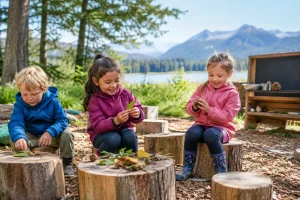
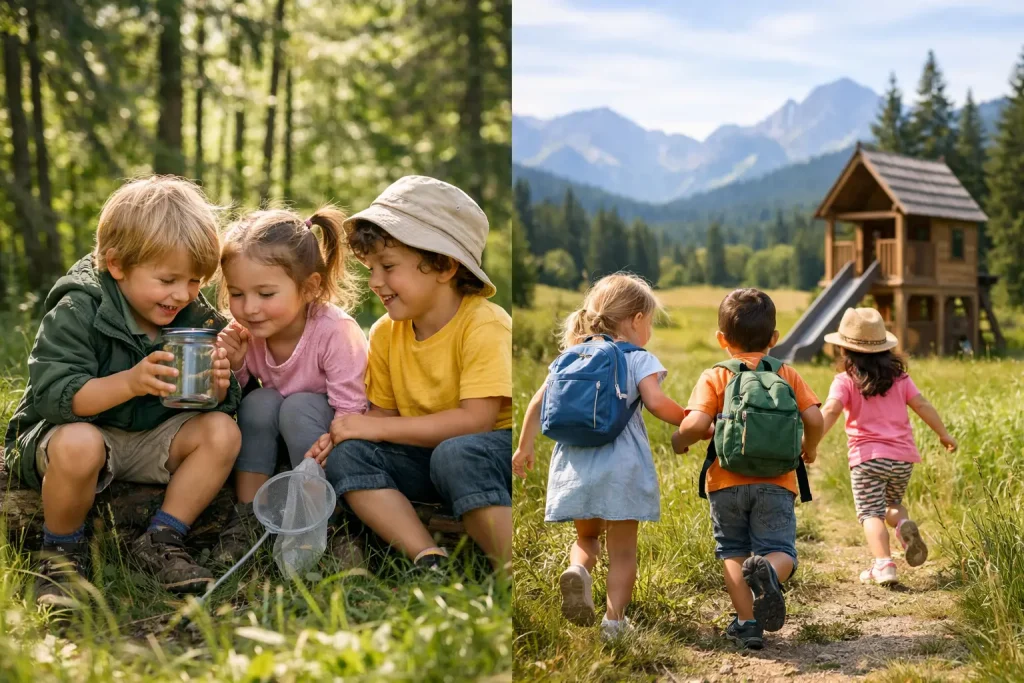
Nature-connected experiences are especially valuable. Feeling leaves, watching insects, pouring water or climbing safely develops sensory awareness and confidence in ways a worksheet cannot. These moments also give children rich language to use: rough and smooth, heavy and light, fast and slow.
What is nursery?
Nursery usually follows playgroup and offers a more developed daily rhythm for children who are ready to extend their independence, communication and thinking. While play remains central, learning experiences become more intentional and sustained.
A nursery child may spend longer with a creative project, listen to a more detailed story, sort objects by colour or size, recognise familiar sounds and take part in small-group activities. Teachers introduce early literacy and numeracy concepts through practical, age-appropriate experiences, not through pressure to perform before a child is ready.
Nursery also places greater focus on classroom responsibility. Children learn to care for resources, follow a sequence of activities, make simple choices and contribute to a group. These are foundations for later kindergarten learning, as well as for everyday confidence.
Playgroup or nursery difference: the key areas
The clearest difference is not that one programme is playful and the other is academic. Both should be playful, nurturing and purposeful. The difference lies in the level of independence, structure and developmental challenge offered to the child.
Readiness and age
Playgroup is typically better suited to children at the beginning of their group-learning journey. They may still need reassurance at drop-off, frequent movement and plenty of opportunities for parallel play, where children explore alongside one another before fully learning to collaborate.
Nursery is often a natural next stage for children who can manage a more regular routine and are ready to participate in shared activities for longer. Age guidance is useful, but readiness matters too. A confident two-year-old and a cautious three-year-old may need different forms of support, regardless of the date on their birth certificate.
Daily routine
A playgroup timetable is usually flexible and gentle, with short activity periods, familiar transitions and ample time for free exploration. Repetition helps children feel secure. They learn what happens after arrival, when snack time comes and how a goodbye routine works.
Nursery retains that reassuring rhythm but introduces more varied learning blocks. There may be focused group sessions, small-group invitations, outdoor exploration, creative work and opportunities for children to complete a task from beginning to end. The day becomes a little more structured because children are becoming more able to organise themselves within it.
Learning goals
In playgroup, goals centre on emotional security, social confidence, language exposure, movement, sensory development and curiosity. Children are learning how to be part of a learning community.
In nursery, those foundations are strengthened while cognitive development expands. Children begin making connections between ideas, noticing patterns, building vocabulary and exploring early concepts in literacy, mathematics and the world around them. The strongest nursery programmes make these goals feel like discovery, not drilling.
Independence and social development
Both stages help children practise independence, but the expectations differ. In playgroup, a child may be encouraged to put away one toy, wash hands with support or choose between two activities. In nursery, they may be expected to manage more parts of the routine, such as packing away materials, joining a group project and expressing a need using words.
Socially, playgroup introduces the building blocks of friendship: waiting, sharing space and recognising emotions. Nursery gives children more chances to negotiate, collaborate and resolve small disagreements with teacher guidance. Kindness becomes something children practise every day, not simply a word they hear.
How to decide which programme suits your child
The best choice comes from looking beyond age alone. Consider how your child responds in new environments, whether they enjoy being near other children, how they communicate needs and how they cope with transitions. A child does not need to be fully independent before starting. A warm early years setting exists partly to help them develop that independence.
It can also help to consider your family’s needs. Some children thrive with a gradual introduction and shorter sessions before moving into a fuller routine. Others are ready for a more established day, particularly if they already enjoy regular group activities or childcare. There is no prize for starting at the most advanced level too soon.
When visiting a school, notice the atmosphere as much as the timetable. Are children welcomed by name? Do teachers speak calmly at the child’s level? Is there space to move, create, rest and explore outdoors? Are learning materials within children’s reach? These details reveal whether a programme is designed around real childhood development.
Ask how teachers observe progress and communicate with families. Young children develop in bursts, and a thoughtful school will see the whole child: their confidence, friendships, physical skills, interests and emerging understanding, not only what they can recite or write.
Why a clear learning pathway matters
A staged pathway from playgroup to nursery and onwards can give children the comfort of familiarity while offering fresh challenges at the right time. They know the routines, trusted adults and environment, but their learning grows as they do.
At Alpine Preschool, this progression is shaped around developmental milestones, with play-based learning, trained teachers and green outdoor spaces supporting each stage. The aim is not to hurry children through their early years. It is to give them a strong, joyful foundation for kindergarten and beyond.
The right beginning should leave your child with more than a completed craft to bring home. It should help them feel capable, known and excited to return tomorrow – ready to make friends, ask questions and find their own place in a larger world.