
A child who arrives at preschool eager to tell you about the leaf they found, the friend they helped, or the tower they built is learning far more than a single lesson. For parents searching for 新山最好幼儿园, that sense of joyful engagement can be one of the clearest signs that a setting is doing something meaningful.
Choosing a preschool is not simply about finding a convenient timetable or a pleasing classroom. It is about choosing the environment that will shape your child’s first relationship with learning, friendships and independence. The best fit should feel warm and reassuring for families while giving children the right level of challenge, structure and freedom to grow.
What “新山最好幼儿园” Should Mean for Your Family
There is no single preschool that is automatically right for every child. A confident, highly social four-year-old may thrive in a lively group activity, while a younger child may first need a calm teacher, predictable routines and time to observe before joining in. The right school recognises these differences without lowering expectations.
When parents look for the best preschool in Johor Bahru, they are often weighing several priorities at once: safety, teaching quality, school readiness, language exposure, social development and the practical realities of family life. A truly high-quality early years setting brings these priorities together rather than asking children to choose between play and progress.
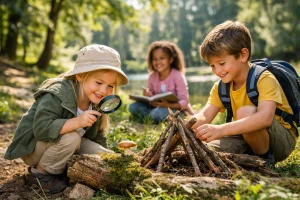
Purposeful play is central to this balance. When children sort natural objects, build a shelter outdoors, prepare materials for an art activity or negotiate roles in imaginative play, they are developing concentration, language, problem-solving and emotional awareness. It may look effortless from the outside, but skilled educators know how to turn these everyday moments into meaningful learning.
Look Beyond Worksheets and Busy Classrooms
A room filled with worksheets can appear academic, yet early learning is not measured by how much paper a child brings home. Young children learn through movement, conversation, touch, repetition and discovery. They need opportunities to ask questions, make small mistakes and try again.
This does not mean that structure has no place. Children benefit from routines that help them feel secure, clear expectations that encourage kindness, and thoughtfully planned activities that develop early literacy, numeracy and thinking skills. The difference lies in how these foundations are introduced.
A strong preschool curriculum allows learning to build naturally across the years. For a two-year-old, this may begin with sensory exploration, confidence in separating from a parent and learning to communicate needs. As children move through Nursery, Kindergarten 1 and Kindergarten 2, they can gradually strengthen focus, reasoning, language and the practical independence needed for primary school.
Ask how the school plans for this progression. A clear answer should go beyond broad promises of “holistic learning”. Parents should be able to understand how activities match children’s developmental stages and how teachers notice when a child is ready for the next step.
The value of outdoor learning
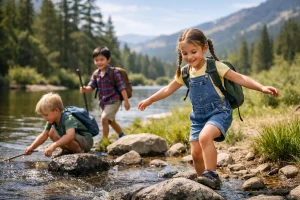
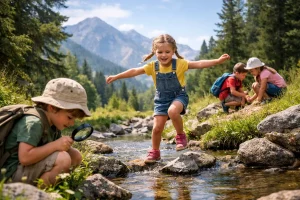
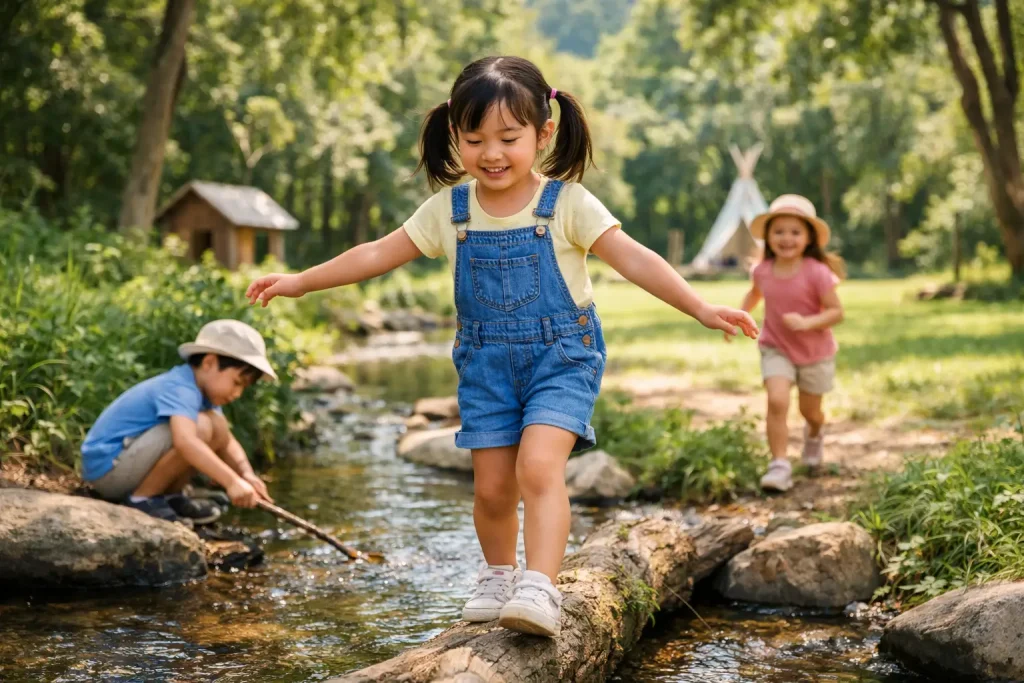
Children do not experience the world only from a chair. Outdoor classrooms give them space to run, balance, listen, collect, investigate and collaborate. A garden can become a science lesson, a storytelling corner, a place to practise turn-taking, or simply a welcome moment of calm.
Nature-connected learning also supports sensory development. The feel of sand, the sound of rain, the changing colours of plants and the challenge of climbing safely offer experiences that cannot be fully recreated on a screen or at a desk. These moments build body awareness and resilience alongside curiosity.
Of course, outdoor time should be well planned. Look for shaded areas, sensible supervision, age-appropriate equipment and clear procedures for hot or wet weather. The aim is not to keep children outside all day. It is to make fresh air, movement and exploration a valued part of the learning day.
The Teacher Matters as Much as the Programme
A beautiful campus is valuable, but it becomes truly special through the adults within it. Young children need teachers who are patient enough to listen, confident enough to guide behaviour kindly, and knowledgeable enough to recognise developmental needs.
During a school visit, notice how teachers speak to children. Do they come down to a child’s level? Do they encourage children to explain their ideas? Are boundaries calm and consistent? The language adults use becomes part of how children learn to speak to themselves and to others.
Trained teachers also understand that children’s behaviour communicates something. A child who refuses to join a group may be overwhelmed, tired or unsure of the activity. A child who grabs a toy may need help with words and turn-taking. Gentle guidance should not mean an absence of standards. It means teaching children the skills they need to manage big feelings and participate respectfully.
The best schools keep communication with parents open and useful. You should hear not only about themed events and photographs, but also about your child’s interests, emerging strengths and areas where home and school can work together.
Safety Should Feel Thoughtful, Not Restrictive
Parents deserve to feel confident that their child is protected throughout the school day. This includes secure arrival and collection procedures, clean facilities, attentive supervision, appropriate adult-to-child ratios and staff who know how to respond if a child becomes unwell or distressed.
Yet a safe environment should still allow children to be children. They need room to climb, paint, dig, pour, race and explore within sensible boundaries. When every activity is overly controlled, children can miss the chance to develop judgement and confidence. Good risk management is about preparing spaces carefully and teaching children how to use them responsibly.
It is worth asking practical questions during a visit. How are children supervised outdoors? How are allergies and dietary requirements managed? What happens if a child needs comfort or first aid? How does the school support children as they settle into a new routine? Clear, calm answers usually reveal a well-organised culture of care.
A School Community That Broadens a Child’s World
Preschool is often a child’s first regular community beyond the family. This makes cultural awareness, kindness and inclusion more than decorative values. Children learn these qualities through daily interactions: greeting one another, sharing materials, listening to different viewpoints and seeing their own family traditions treated with respect.
Excursions, holiday camps and creative projects can extend this learning beyond the classroom. They give children fresh contexts in which to be curious and capable. A child who helps care for a plant, joins a group performance or explores a new place with classmates is building a sense of belonging as well as knowledge.
For families in Johor Bahru, convenience may matter, particularly when balancing work, siblings and travelling time. It is a sensible consideration, but it should sit alongside the quality of the child’s daily experience. A shorter journey is helpful; a place where your child feels known, safe and inspired is transformative.
How to Know When You Have Found the Right Place
Trust the details you can see and feel. Are the learning spaces inviting without being overstimulating? Is there evidence of children’s ideas, not just adult-made displays? Do children appear comfortable approaching teachers? Is there room for quiet concentration as well as energetic play?
At Alpine Preschool, the educational journey is designed to help children from ages two to seven flourish through structured, play-based learning, outdoor exploration and meaningful experiences. A purpose-built setting, green spaces and a thoughtful curriculum can give children both strong foundations and treasured memories of childhood.
The final decision may not come from one impressive feature. It often comes from a quieter feeling: your child is welcomed with warmth, challenged with care, and given space to become more confident each day. Choose the preschool where their curiosity is protected, their individuality is respected and their next small step feels full of possibility.