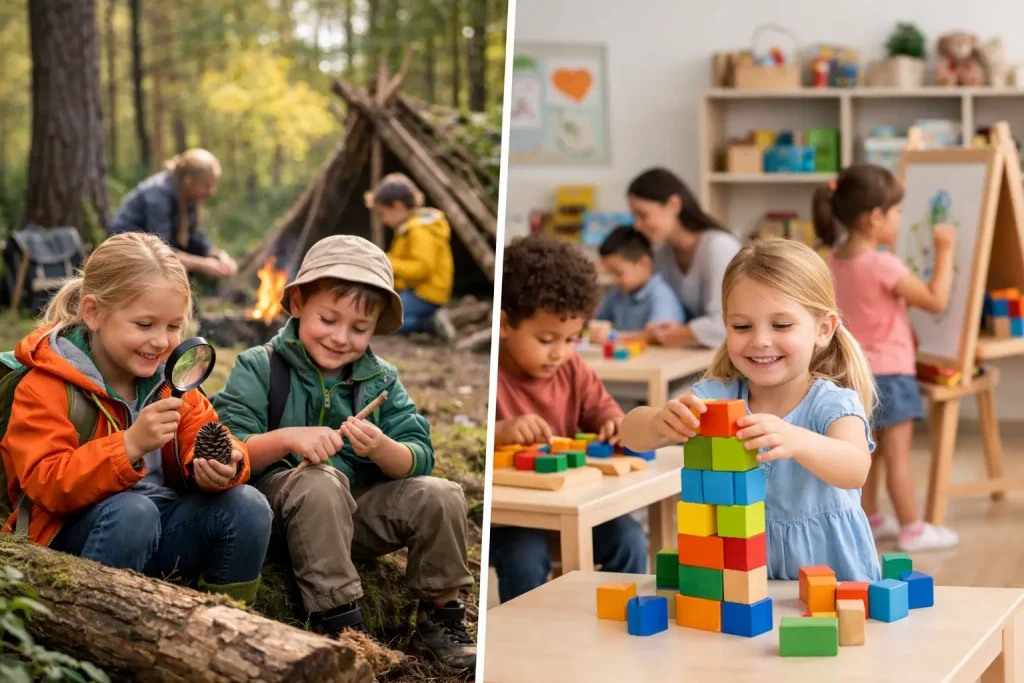
Some children come home happiest with muddy knees and pockets full of leaves. Others light up when they can sing the same welcome song each morning, build friendships in a familiar classroom, and proudly show you the first letter they have learned to recognise. When parents compare forest school vs preschool, they are often not choosing between good and bad. They are choosing between two different ways of supporting early childhood.
That distinction matters because the early years are not only about keeping children busy. They are about helping them feel secure, curious, capable, and ready for what comes next. The best setting is the one that matches your child’s temperament, your family’s priorities, and the kind of daily experience you want them to have.
Forest school vs preschool: what is the difference?
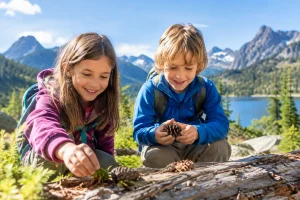
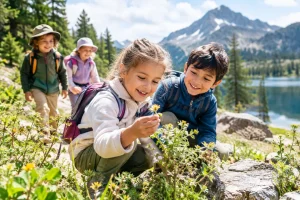
A forest school is usually centred on regular outdoor learning in natural environments. Children spend significant time outside, often in all sorts of weather, exploring materials such as mud, sticks, leaves, stones, and water. The learning is often child-led, with a strong focus on confidence, resilience, problem-solving, and connection to nature.
A preschool, by contrast, usually offers a more structured early years programme led by trained educators within a purpose-designed setting. That does not mean children sit at desks all day. In a strong preschool environment, learning is still playful, active, and creative. The difference is that it tends to follow a clearer developmental pathway, with intentional support for language, early numeracy, social skills, routines, and school readiness.
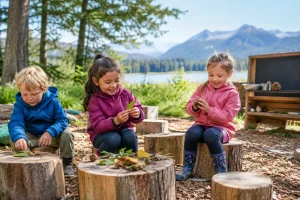
In practice, the line is not always sharp. Many modern preschools include outdoor classrooms, gardening, messy play, nature walks, and sensory exploration as part of daily life. Equally, some forest schools introduce routines and skill-building in thoughtful ways. That is why the real question is not which label sounds better, but how the setting actually works.
How children learn in each setting
The heart of forest school learning is freedom within a natural environment. A child may spend an hour constructing a den, balancing on logs, watching insects, or inventing a game with friends. Those moments build independence and imagination in ways that are hard to recreate indoors. Children often become more physically confident too, especially when they are allowed to assess manageable risk and test their own abilities.
Preschool learning is more intentionally sequenced. Activities are planned to support particular milestones, whether that means developing fine motor control, strengthening listening skills, encouraging early literacy, or helping children learn to cooperate in a group. Good teachers observe closely, then shape experiences around what children need next.
For many families, this structured progression is reassuring. It creates a sense of rhythm and continuity at a stage when children are growing quickly in every direction at once. A well-designed preschool does not rush childhood. It gives it shape.
The role of routine
Routine is one of the clearest differences. Forest school sessions can feel wonderfully open-ended, with time to follow children’s interests as they emerge. That flexibility can be deeply engaging, especially for children who thrive outdoors and dislike being overly directed.
Preschool usually offers more predictable transitions across the day. There may be a welcome circle, guided activities, outdoor play, snack time, story time, and opportunities for rest or quiet focus. For some children, especially those who feel safest when they know what comes next, that predictability helps them settle and flourish.
Social development and relationships
Both models support social growth, but in slightly different ways. In forest school, cooperation often grows naturally through shared exploration. Children negotiate games, build together, and learn to communicate in an open environment where there is room to move and imagine.
In preschool, social learning is often supported more directly. Teachers help children practise turn-taking, listening, expressing feelings, solving disagreements, and becoming part of a group. That guided support can be especially valuable for younger children or those still finding confidence with peers.
What parents should look for beyond the label
A beautiful philosophy is not enough on its own. Parents should look carefully at what a setting delivers every day.
The first thing to consider is staff quality. Are educators trained in early childhood development? Do they understand how young children learn through play? Can they balance warmth with clear boundaries? In any setting, the adults make the greatest difference.
The second is safety and supervision. Outdoor learning can be enriching and joyful, but it must also be well managed. Ask how the school assesses risk, handles weather, supports hygiene, and supervises children across different spaces. Confidence comes from thoughtful systems, not from avoiding adventure altogether.
The third is whether the curriculum has purpose. If a setting talks beautifully about exploration but cannot explain how children progress in language, communication, motor skills, and independence, parents are right to ask more questions. Equally, if a school sounds highly academic but offers little room for creativity, movement, or sensory discovery, that may not serve a young child well either.
Forest school vs preschool for school readiness
This is often where parents feel the greatest pressure. They want childhood to stay joyful, but they also want their child to be ready for primary school.
Forest school can support readiness in important ways. It builds confidence, perseverance, physical coordination, independence, and curiosity. These qualities matter in school life. A child who can take reasonable risks, solve problems, and cope with challenge already has a strong foundation.
Preschool usually supports readiness more directly. Children are introduced to routines, group learning, communication skills, early concepts in literacy and numeracy, and the habits that help them manage the school day. They learn how to listen, wait, participate, tidy up, and move between activities with growing independence.
For many children, the strongest preparation comes from a blend of both. Nature-based experiences support the senses, the body, and emotional wellbeing. Structured preschool learning supports cognitive growth and familiarity with classroom rhythms. This is why many families are drawn to settings that bring outdoor exploration into a clear, professionally guided curriculum.
Which children tend to thrive in each environment?
Children who are highly active, sensory-seeking, and happiest outside may find a forest school environment particularly energising. The open space, natural materials, and freedom to explore can help them feel calm, engaged, and capable.
Children who benefit from consistency, clear routines, and carefully guided learning may thrive in preschool. This includes children who enjoy repetition, love songs and stories, or feel more secure when the day follows a familiar pattern.
Of course, most children are not one thing only. A lively child may still need structure. A thoughtful, routine-loving child may still adore climbing, digging, and splashing in puddles. That is why the best choice often depends less on broad personality labels and more on how a school balances nurture, stimulation, and support.
Why many families now want both
The most compelling early years environments no longer treat nature and structured learning as opposites. Parents increasingly want a setting where children can explore outdoors, develop confidence through real experiences, and still benefit from trained teachers, purposeful planning, and a clear developmental journey.
That combination reflects what many families know instinctively. Childhood should feel magical, but it should also be well held. A child can collect sticks in the morning, paint what they discovered after lunch, and build language, concentration, and confidence through the whole experience. Nature does not need to sit outside education. It can be part of it.
This is where a thoughtfully designed preschool can offer something especially valuable. When outdoor classrooms, green spaces, and sensory learning are woven into a structured programme, children do not have to choose between wonder and readiness. They can have both.
If you are visiting schools, watch the children as much as the facilities. Do they seem settled, curious, and known by their teachers? Are they given room to explore without feeling adrift? Can you picture your child feeling safe enough to be themselves there? Those clues usually tell you more than any brochure.
The right start is not about chasing the most fashionable model. It is about finding a place where your child can grow with confidence, delight, and gentle challenge – a place where early learning feels both joyful and meaningful.