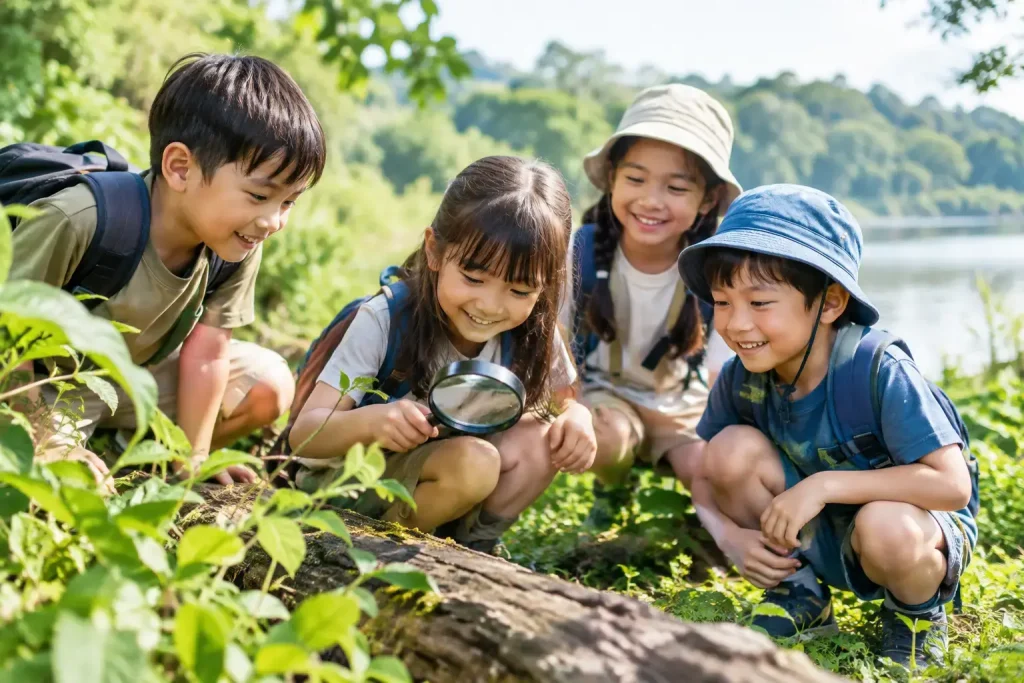
A child who happily points out a beetle in the garden, asks why leaves change colour, or proudly carries their own bag into class is learning far more than facts. These small moments reveal growing confidence, curiosity and independence. For parents searching for the best private kindergarten Johor Bahru can offer, the real question is not simply which school has the most impressive facilities. It is which environment will help your child feel safe, seen and ready to flourish.
Private kindergarten is often a family’s first major education decision. It can shape how a child feels about learning, friendship, challenge and their own abilities. A beautiful campus matters, but what happens within it each day matters more: the quality of relationships, the rhythm of the programme, the opportunities to explore and the care behind every transition.
The best private kindergarten in Johor Bahru starts with your child
There is no single school that is automatically right for every child. A lively, highly social child may thrive with frequent group projects and outdoor discovery, while a quieter child may need a gentler settling-in period, familiar routines and teachers who patiently draw them into play. The best choice is one that understands development as individual, not a race.
Look for a school that recognises the early years as a time for building the foundations beneath academic success. Children need language, early number sense and pre-reading skills, but they also need emotional security, physical coordination, communication and the ability to work through small frustrations. These capacities make formal learning feel achievable later on.
A thoughtful programme should offer a clear developmental pathway. For children aged two to seven, this may begin with sensory exploration and separation readiness, then grow into richer language, creative expression, problem-solving and kindergarten preparation. Progress should feel purposeful without making childhood feel overly pressured.
Look beyond worksheets to meaningful learning
A workbook can show a finished page. It cannot always show the thinking, conversation and persistence that led to it. In a high-quality kindergarten, children learn through carefully planned experiences that make ideas tangible.
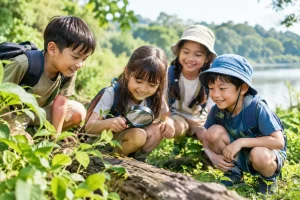
For example, a lesson about plants may begin outdoors, with children feeling soil, observing insects and comparing leaves. Back in the classroom, they might sort seeds, describe what they noticed, draw their findings and listen to a story. This kind of learning connects vocabulary, science, fine-motor control, creativity and attention in a way that young children can understand.
Play-based learning does not mean leaving children without direction. At its best, it is intentional. Trained teachers prepare inviting spaces, ask thoughtful questions, observe each child closely and introduce new challenges at the right moment. A child building a bridge from blocks may be exploring balance, measurement, collaboration and resilience, even if they simply see it as an exciting project.
Ask prospective schools how they balance structured teaching with child-led discovery. A strong answer should explain both. Children benefit from routines and focused small-group learning, alongside time to choose, create, move and follow their questions.
Outdoor space is part of the curriculum
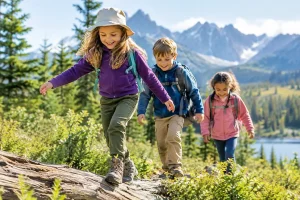
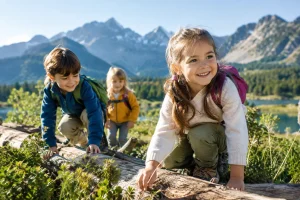
Young children are designed to move. Climbing, balancing, digging, running and carrying are not breaks from learning. They build strength, coordination, judgement and confidence. They can also support calmer concentration once children return indoors.
In Johor Bahru’s warm climate, a school with meaningful green space can make a remarkable difference to the school day. Rather than treating the outdoors as a short playtime between lessons, the strongest settings use outdoor classrooms as places for stories, art, gardening, investigations and imaginative play.
Nature-connected learning also gives children a wider sensory world. They hear birds, notice textures, smell rain on the ground and learn to care for living things. These experiences can be especially valuable for children whose home routines are largely indoors or screen-based.
Of course, outdoor learning must be managed with care. During a visit, observe whether shaded areas, supervision, drinking water, hygiene routines and weather plans are clearly considered. A school should be able to explain how it protects children while preserving the freedom and joy of active exploration.
Notice the teachers, not only the facilities
Purpose-built classrooms and colourful resources create a lovely first impression. Yet a child will remember the adult who knelt beside them when they were unsure, noticed their new drawing skill, or helped them find the words to join a game.
Ask about teacher training, staff continuity and the school’s approach to observation. Skilled early years educators do more than lead activities. They notice patterns: who is ready for a new challenge, who needs extra reassurance, who is becoming more confident in speech, and who may benefit from support with friendships.
Listen to how teachers speak to children during your visit. Is their language respectful and encouraging? Do they give children time to answer? Are they guiding behaviour calmly rather than relying on fear or shame? Warm boundaries are essential. Children feel secure when expectations are consistent, kind and age-appropriate.
It is also worth asking how the school shares progress with families. Regular communication should offer more than photographs of busy days. Parents should understand what their child is learning, how they are settling socially and how home and school can work together.
Choose a community that reflects the values you hope to nurture
Kindergarten is one of the first places where children encounter a wider community. They learn to wait for a turn, listen to another viewpoint, welcome someone new and recognise that families may have different traditions. These everyday experiences build kindness and cultural awareness naturally.
A school’s values are easiest to see in ordinary moments. Watch arrival time, snack time and free play. Do children appear comfortable and engaged? Are they encouraged to care for their belongings and their shared spaces? Is creativity visible in their work, rather than every piece looking identical?
For families in areas such as Taman Impian Emas, Bandar Dato Onn and Setia Tropika, practical travel time may influence the choice too. A shorter, calmer journey can help a young child arrive ready to participate. However, convenience should be weighed alongside teaching quality, safety and the environment your child will experience every day.
Questions to ask during a kindergarten visit
A school tour should help you picture your child’s real day, not just its best display areas. It is reasonable to ask how children are welcomed during the first weeks, how teachers respond when a child is upset, and how the school approaches toilet independence, meals and rest.
You may also ask how learning is documented, how children prepare for the transition to primary school, and what opportunities exist beyond the classroom. Excursions, holiday camps and special projects can broaden children’s confidence, provided they are planned safely and match the children’s ages.
Pay attention to the answers as well as the atmosphere. Clear, thoughtful explanations usually signal that a school has considered its practice carefully. Vague promises of academic excellence, without a clear picture of how children learn, deserve further questions.
A childhood with room to grow
The right private kindergarten will prepare your child for more than the next classroom. It will give them a place to belong, teachers who recognise their potential and days filled with meaningful discovery. At Alpine Preschool, this belief is reflected in a staged learning journey that brings together trained educators, a structured curriculum and opportunities to flourish with nature.
When you visit schools, allow yourself to look beyond brochures and checklists. Notice whether you can imagine your child laughing, wondering, trying again and coming home with a story they cannot wait to share. That feeling, supported by strong educational practice, is often the clearest sign that you have found a place where childhood can truly be magical.