
A child pressing a hand into cool soil, listening for birds after rain, or sorting smooth shells from rough bark is doing far more than keeping busy. These sensory learning activities examples show how young children make sense of the world through touch, movement, sound, sight, smell and, where appropriate, taste. For children aged 2 to 7, meaningful sensory experiences can turn everyday play into a foundation for language, confidence, self-regulation and early thinking.
At Alpine Preschool, sensory learning is not treated as an occasional messy activity. It is thoughtfully woven into play, outdoor exploration and teacher-guided discovery, giving children the freedom to wonder while building skills with purpose.
Why sensory learning matters in the early years
Young children learn first with their whole bodies. Before they can explain that something is heavy, slippery, cold or fragrant, they need opportunities to feel, carry, notice and compare it. Each experience helps create connections between what they perceive and the words, ideas and emotions that follow.
Sensory play also invites children to stay with a task. A child may pour water between containers again and again, not because they are repeating themselves without purpose, but because they are testing capacity, control and cause and effect. This kind of focused repetition supports concentration and persistence in a natural, enjoyable way.
The value is not in making every activity loud, colourful or complicated. In fact, a calmer experience with just a few well-chosen materials can be more meaningful for many children. The right level of stimulation depends on the child, their age, temperament and needs on that particular day.
Sensory learning activities examples for ages 2 to 7
The best activities are open enough for children to explore in their own way, while still offering a gentle learning intention. An adult can extend the moment with simple observations: “Your sponge is full of water,” or “Which leaf feels softer?” There is no need to turn every play moment into a quiz.
1. Nature texture treasure baskets
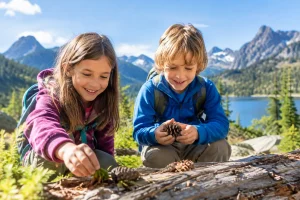
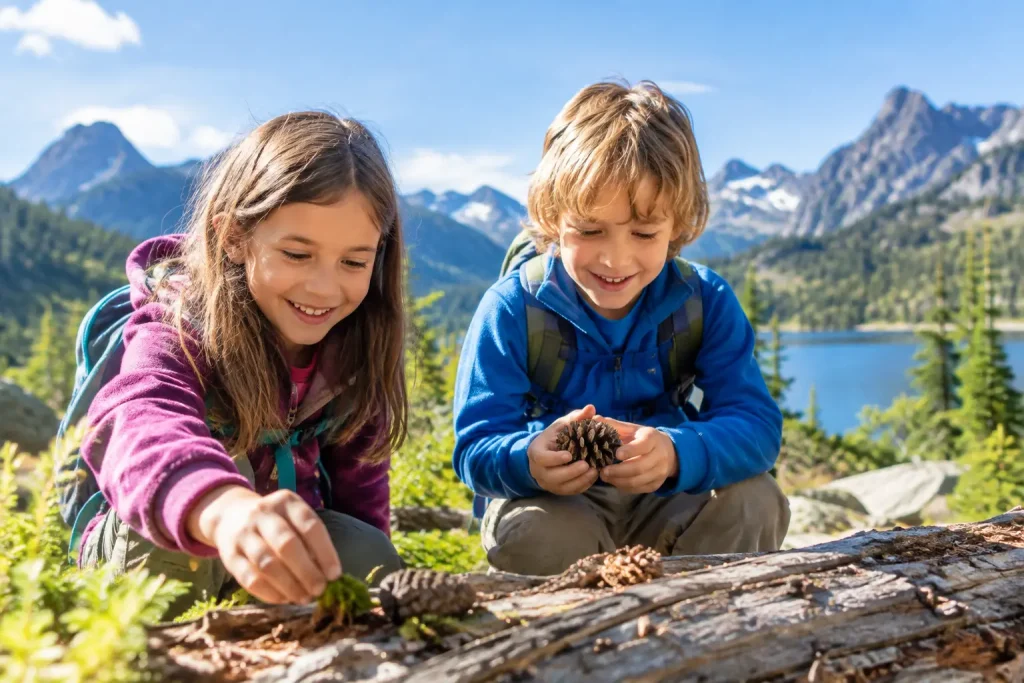
Fill a shallow basket with safe natural items such as large smooth stones, pinecones, seed pods, fallen leaves, pieces of bark and broad shells. Invite younger children to touch, hold and describe what they notice. Older children can sort the objects by texture, size, weight or colour, then explain their choices.
This activity strengthens descriptive language while nurturing respect for the natural environment. It works especially well after a garden walk, when children can connect an object in the basket to where they found it. Always check materials carefully for sharp edges, mould, choking risks or insects before use.
2. Water pathways and pouring play
Water is wonderfully adaptable. Set out jugs, funnels, scoops, clear containers, floating objects and lengths of guttering or tubing. Children can pour, transfer, predict what will float, or work together to guide water from one point to another.
For a two-year-old, simply filling and emptying a cup develops coordination. For a six- or seven-year-old, creating a water pathway introduces early scientific thinking: What happens if the slope is steeper? Why did the water stop? How can we prevent a leak? The learning grows with the child.
Keep the set-up simple and supervise closely. A small amount of water is enough, and a non-slip surface helps children move confidently.
3. Dough, clay and natural loose parts
Soft dough or clay offers satisfying resistance for little hands. Children can squeeze, roll, pinch, flatten and shape it, building the hand strength and control that later support pencil grip, cutting and everyday self-care.
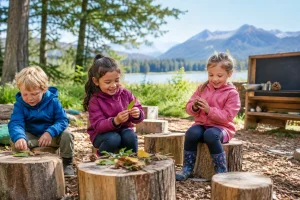
Add natural loose parts such as leaves, petals, twigs or stones for printing and creating. A child might make a garden, press a leaf pattern into clay, or create pretend food for a friend. Alongside fine-motor development, this type of play encourages imagination, conversation and collaborative storytelling.
For children who dislike sticky textures, offer a tool first. A rolling pin, wooden spoon or small stamp allows them to participate without pressure. Sensory learning should be an invitation, never a demand.
4. Sound walks and listening games
Pause during an outdoor walk and ask children what they can hear. It might be wind moving through leaves, footsteps on gravel, distant traffic, birdsong or a friend laughing nearby. Encourage them to copy the sound, describe it, or decide whether it is near or far away.
A sound walk develops listening attention and vocabulary without requiring children to sit still for long periods. Older children can create a simple sound map, drawing symbols for the noises they hear in different areas of the garden or playground.
This is also a useful reminder that sensory learning does not have to involve materials or mess. A quiet moment of listening can be just as rich.
5. Scented garden exploration
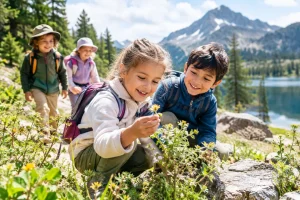
Herbs and child-safe fragrant plants create a memorable sensory experience. Mint, lemongrass, basil and lavender can be gently rubbed between fingers, then smelled and discussed. Children may compare scents, notice which are strong or subtle, and use words such as fresh, sweet, spicy or earthy.
Gardening adds another layer of learning. Children can help water plants, observe new growth and understand that living things need care. For families, a small windowsill herb pot is enough to bring this experience home.
Be mindful of allergies and avoid asking children to smell plants closely if they are uncomfortable. Clear boundaries matter too: children should know that not every plant is safe to taste.
6. Colour mixing with natural pigments
Use shallow trays of water with a few drops of washable paint, or create colours from safe natural materials such as beetroot water, turmeric and crushed berries. Give children droppers, brushes or pipettes and allow them to mix, layer and experiment.
This activity naturally introduces colour vocabulary and early prediction. “What do you think will happen when yellow meets blue?” is more useful than supplying the answer. Children learn that they can test an idea, notice the result and try again.
The process matters more than producing a perfect picture. Some children will make careful patterns; others will delight in turning the whole tray a new shade. Both approaches can be valuable.
7. Barefoot texture paths
Create a short path using trays or mats filled with safe, clean materials such as grass, smooth pebbles, sand, soft fabric and cork. With adult support, children can walk across each surface slowly and describe how it feels.
Movement-based sensory experiences help children understand their bodies in space. They can also be deeply enjoyable outdoors, where a simple pathway feels like an adventure. For children who prefer not to remove their shoes, hands can explore the textures instead. Choice protects confidence and keeps the experience positive.
How adults can make sensory play more meaningful
A prepared activity is only the starting point. The adult’s role is to observe, protect safety and add language without taking over. Rather than showing a child exactly what to make, notice their effort: “You kept trying until the tower balanced.” This supports a growth mindset and helps children feel seen.
It also helps to allow enough time. Children often need a few minutes to watch, touch cautiously or repeat an action before deeper play begins. Rushing them towards a finished product can remove the very discovery the activity was meant to offer.
For children who become overwhelmed by noise, smells or certain textures, reduce the number of materials and provide a calm way to participate. A child may choose a brush rather than their fingers, stand at the edge of a group activity, or return later. Responsive teaching honours individual development while gently widening a child’s comfort zone.
Bringing sensory learning into everyday family life
Parents do not need a dedicated playroom or elaborate equipment. Preparing vegetables together, matching socks from the laundry, listening for rain, kneading dough, watering plants and collecting leaves on a walk all offer sensory learning moments. What matters is presence: allowing children to notice, talk, question and try.
A childhood filled with these small discoveries gives children something precious: the confidence to approach the unfamiliar with curiosity. When children are trusted to explore safely, the ordinary world becomes a magical place to learn.