
A child who has watched a butterfly settle on a leaf, heard the echo inside a fire station, or chosen fruit at a market returns to the classroom with far more than a photograph. They return with questions, new vocabulary and a story they are proud to tell. The best preschool excursion ideas turn those small moments of wonder into meaningful learning, while giving children a safe, supported way to explore the world beyond school.
For children aged 2 to 7, an excursion does not need to be grand or complicated to be valuable. A well-planned morning close to school can be just as enriching as a larger outing. What matters is that the experience suits the children’s stage of development, has a clear purpose and leaves enough room for curiosity to lead the way.
Why excursions matter in the early years
Young children learn with their whole selves. They need to touch, notice, move, ask, repeat and talk through what they have experienced. Excursions bring classroom themes to life in a way that pictures and worksheets cannot. A lesson about plants becomes more memorable when children can smell herbs in a garden. A discussion about community helpers gains meaning when they meet the people who care for their neighbourhood.
These shared experiences also support confidence and social growth. Children practise walking with a group, listening for instructions, waiting their turn and communicating their needs in an unfamiliar setting. For some, simply travelling on a coach or entering a new building is an important step towards independence.
The most successful outings balance excitement with emotional security. Familiar teachers, clear routines and a manageable timetable help children feel safe enough to explore freely.
12 best preschool excursion ideas for curious learners
1. A botanical garden or local nature park
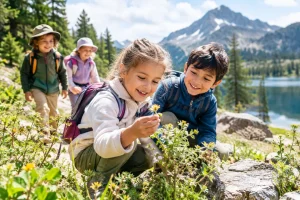
A green space invites children to slow down and observe. They can compare leaf shapes, listen for birds, search for tiny insects and notice how sunlight changes the colour of plants. Bring simple prompts such as, “Can you find something smooth?” or “What do you think lives under this log?” Rather than turning the visit into a test, let these questions open conversation.
2. A working farm
Meeting gentle farm animals helps children understand where food comes from and how living things need care. Watching hens, feeding goats where permitted, or seeing vegetables grow can connect naturally to themes of responsibility, food and life cycles. For younger children, choose a farm with handwashing stations, shaded rest areas and short, calm activities.
3. A fruit orchard or edible garden
An orchard offers a sensory learning experience that is especially memorable in early childhood. Children can see how fruit grows, identify colours and shapes, and perhaps taste a seasonal crop with suitable permissions. It is also a lovely setting for speaking about gratitude, healthy choices and the work involved in growing food.
4. A fire station
Firefighters often make a lasting impression on young children. Seeing protective equipment, learning what happens in an emergency and looking closely at a fire engine can replace fear with understanding. Keep the message simple: firefighters are helpers, and children should know how to seek a trusted adult when they need help.
5. A police station or community safety visit
A visit with local police officers can introduce the idea of safety and community care in a reassuring way. Children may learn about road awareness, safe crossings and who they can approach if they are lost. The tone matters here. The goal is not to alarm children, but to help them recognise caring adults who support the community.
6. A post office or courier hub
Letters, parcels and stamps are wonderfully concrete learning tools. Children can watch how items are sorted and talk about the journey a message takes from one person to another. Before the trip, each child could draw a picture or dictate a note to post, creating a meaningful link between the classroom and the excursion.
7. A local market
A market is full of colour, sound, language and real-life maths. Children can spot familiar foods, compare large and small produce, identify textures and hear different greetings. A short, focused visit works best, particularly for younger groups, who can become overwhelmed by crowds and noise. Choosing one or two stalls to explore is often enough.
8. A bakery or café kitchen
The scent of bread baking and the sight of dough changing shape make this an engaging visit for little learners. Children can see ingredients being transformed and discuss the people involved in preparing food. Allergy awareness and food hygiene should guide planning, but a bakery visit can be a warm introduction to sequencing, measuring and cooperation.
9. A library
Libraries are not only places for borrowing books. They show children that stories, information and imagination belong to everyone. A librarian-led storytelling session can encourage listening, language and a genuine love of reading. It is also a quieter excursion option, ideal when a class needs a calm experience after a particularly busy term.
10. A children’s museum or cultural gallery
The right museum can make history, art and community traditions feel immediate. Look for venues with hands-on areas, child-friendly displays and enough space for a small group to move comfortably. One thoughtfully chosen exhibition is usually more valuable than rushing through an entire building. Children need time to look, talk and make connections.
11. A recycling centre or clean community space
A simple visit focused on recycling can help children see what happens after rubbish leaves the classroom. They may learn to sort paper, plastic and cans, and recognise that small habits can care for the places they love. If a recycling facility is not suitable for very young visitors, a supervised litter-pick in a nearby green area can offer a gentler alternative.
12. A community garden or neighbourhood walk
Not every excursion needs transport or an admission ticket. A walk around the local neighbourhood can be rich with learning when children are encouraged to notice homes, signs, trees, vehicles and community spaces. Visiting a nearby garden adds opportunities to water plants, look for minibeasts and understand how shared places are cared for.
Choosing the right preschool excursion
The best destination depends on the age, confidence and current interests of the group. Two-year-olds often benefit from short journeys, familiar routines and plenty of space to move. Older preschoolers may be ready for longer conversations, simple maps, role-play and follow-up projects.
It is helpful to begin with one clear learning intention. A farm visit might support a classroom theme about animals, while a market outing could build vocabulary around food and cultural diversity. However, the intention should guide the experience rather than restrict it. If children become fascinated by a snail on the path or the sound of a delivery lorry, that curiosity is valuable learning too.
For families in Johor Bahru, choosing destinations near Taman Impian Emas, Bandar Dato Onn or Setia Tropika can reduce travel time and help younger children stay comfortable and engaged. A nearby place that children can revisit with their families may offer more lasting value than a distant attraction.
Planning an outing children can enjoy safely
Careful preparation makes an excursion feel relaxed on the day. Teachers should visit or speak with the venue in advance, assess risks, confirm toilet and first-aid access, and plan for weather changes. A clear adult-to-child ratio is essential, particularly in public spaces or near roads.
Children also deserve preparation. Share photographs, read a related story, explain the journey and practise expectations such as holding hands, staying with the group and asking for help. For children who find change challenging, knowing what will happen first, next and last can make a significant difference.
A small bag with water, tissues, spare clothes, sun protection and any required medication helps avoid unnecessary disruption. It is wise to keep the schedule unhurried too. Preschoolers need time for toilet breaks, snacks, transitions and quiet observation. An overfilled itinerary may look impressive on paper, but it rarely creates the best childhood experience.
Bringing the learning back to school
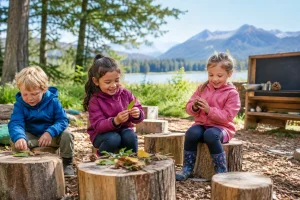
The excursion continues once the group returns. Invite children to draw their favourite moment, arrange photographs in sequence, recreate a place in the construction area or retell what happened during circle time. Their words may be simple, but they reveal what made an impression: a noisy engine, a kind guide, a soft animal or a bright red flower.
At Alpine Preschool, nature-connected experiences are valued because they give children real reasons to wonder, communicate and care. A thoughtfully chosen outing reminds children that learning is not confined to a classroom. It is waiting in the garden, on the street, in the library and wherever their curious eyes choose to look next.