


A preschool campus facilities review is about far more than deciding whether a building looks attractive on a first visit. For a child aged two to seven, the campus becomes a daily landscape for friendship, movement, discovery, rest and growing independence. The right environment should feel safe and welcoming to parents, but also full of possibility to small hands, curious minds and energetic feet.
A beautiful reception area can make a lovely first impression. Yet the details that matter most are often found beyond it: the way children move between indoor and outdoor spaces, whether classrooms invite independent choice, how the school manages arrival and collection, and whether there is room to be noisy, messy, calm and creative in equal measure.
What a Preschool Campus Facilities Review Should Reveal
When visiting a preschool, try to see the campus through your child’s eyes. A young child does not judge a school by its prospectus. They notice whether they can reach the sink, whether there is a quiet corner when the room feels busy, whether they can run outside safely, and whether the adults around them seem calm and present.
Facilities should support learning rather than simply decorate it. Purposeful spaces make it easier for teachers to guide children through a balanced day of play, conversation, sensory exploration and early academic preparation. They also help children develop the practical confidence that sits beneath independence: hanging up a bag, choosing an activity, washing hands, tidying resources and asking for help.
The most meaningful review considers how the campus works as a whole. Ask not only, “Is this classroom well equipped?” but also, “What kind of childhood can my child experience here every day?”
Classrooms that invite active learning
A strong early years classroom is organised, but it should not feel overly controlled. Children need clear routines and thoughtfully arranged materials, alongside freedom to explore within safe boundaries. Look for child-sized furniture, accessible shelves and displays that reflect children’s work rather than only adult-made decorations.
Different areas should serve different developmental needs. A book nook can support language and a love of stories. Construction materials encourage planning, problem-solving and collaboration. Creative areas give children ways to express ideas before they have the words to explain them. Tables for puzzles, mark-making and early maths can build concentration without making the day feel like formal schooling.
It is also worth noticing what happens when the class is full. Is there enough space for children to move without constant interruption? Can a teacher work with a small group while other children remain meaningfully engaged? Premium facilities are not defined by having the most equipment. They are defined by having the right resources, well cared for and used with intention.
Outdoor spaces are part of the curriculum
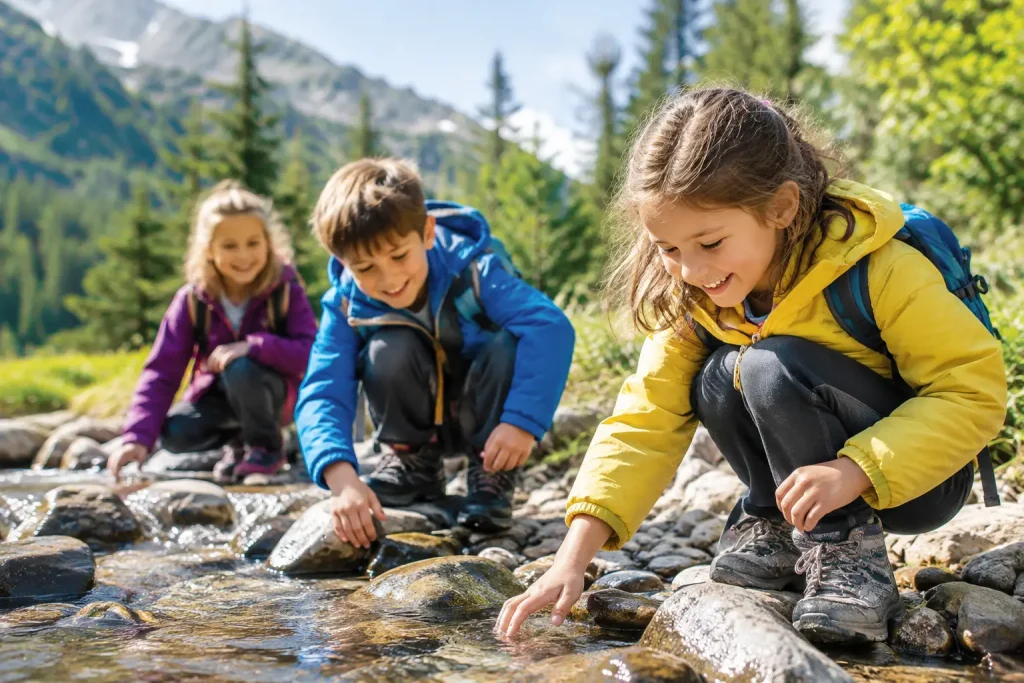
For young children, outdoor learning is not an extra reward after classroom work. It is a vital part of how they understand their bodies, their environment and one another. Green outdoor spaces offer experiences that cannot be recreated on a worksheet: balancing on uneven ground, observing insects, feeling rain or wind, carrying natural materials and discovering how seasons affect living things.
When reviewing a campus, consider whether outdoor areas are designed for more than running around. An enriching space may include room for active play, shaded areas for quieter exploration, natural elements, gardens, water or sand activities, and opportunities for imaginative play. The best settings allow children to take manageable risks, such as climbing, balancing and navigating obstacles, while skilled adults supervise closely.
Shade, drainage and access to drinking water matter in Johor Bahru’s warm, changeable weather. So does the school’s approach to outdoor time. A well-designed garden is only valuable if children regularly use it for learning, play and observation. Ask how outdoor classrooms are incorporated into the weekly rhythm, not just whether they exist.
Safety Should Feel Thoughtful, Not Restrictive
Parents should leave a campus visit with a clear sense that safeguarding is built into everyday practice. This includes secure entry and collection procedures, well-maintained gates and play equipment, age-appropriate toilets, clean handwashing areas, first-aid readiness and close supervision during transitions.
However, a safe preschool should not feel joyless or overly confined. There is a meaningful difference between protecting children from preventable harm and preventing them from exploring. Children gain confidence through supervised challenge: pouring water, using child-safe tools, climbing, carrying and trying again when something does not work.
Ask practical questions. Who is permitted to collect a child? How are visitors managed? What happens if a child needs medical attention? How often are outdoor areas checked? How are allergies, dietary needs and hygiene routines handled? Clear, calm answers are usually a reassuring sign of a professionally managed setting.
Comfort and care between activities
The quieter facilities deserve attention too. Young children have big days, especially when they are beginning school or moving into a new stage of learning. Comfortable rest arrangements, inviting reading spaces, clean toilets and easy access to water can make a considerable difference to their wellbeing.
Notice whether toilets are close enough for children to use confidently and privately with appropriate support. Look for places where a child who feels tired, overwhelmed or unwell can settle briefly with a trusted adult. These details communicate a school’s understanding that emotional security is not separate from learning. A child who feels seen and cared for is more ready to participate, communicate and try new things.
Food arrangements can also reveal a great deal about daily life. Whether meals are provided or packed from home, ask how the school supports healthy habits, manages allergies and makes mealtimes social and unhurried. Mealtimes are often where children practise conversation, manners, self-help skills and cultural appreciation.
Look Beyond the Buildings
A campus can be newly built and still feel uninspiring if its spaces are rarely used in meaningful ways. Equally, a more modest setting can be deeply enriching when teachers know how to transform a garden, a story corner or a simple set of loose materials into a moment of wonder.
This is why facilities and teaching quality should always be considered together. Ask teachers how they use the spaces across Playgroup, Nursery, Kindergarten 1 and Kindergarten 2. Younger children may need a gentle environment that supports separation, sensory play and early routines. Older children benefit from spaces that extend their concentration, language, reasoning, friendship skills and readiness for the next stage of education.
At Alpine Preschool, a purpose-built campus and expansive outdoor areas are intended to work alongside trained teachers and a child-centred curriculum. That connection matters. Facilities become most valuable when they give children repeated opportunities to explore, create, cooperate and make sense of their experiences.
Excursions and shared spaces
Some learning happens beyond the classroom walls. Excursions, holiday camps and community experiences can broaden a child’s sense of the world, particularly when they are carefully planned and connected to classroom learning. If a school offers these opportunities, ask how children are prepared, supervised and supported during them.
Shared spaces such as halls, gardens and creative studios can be equally valuable. They may allow children of different ages to come together for celebrations, performances, movement sessions or cultural activities. These experiences help children feel part of a larger community while learning kindness, respect and confidence around others.
Questions Worth Asking During Your Visit
A tour is more useful when it becomes a conversation. Rather than trying to inspect every corner alone, ask how a typical day unfolds and listen for specific examples. You may wish to ask about outdoor time in rainy or very hot weather, how resources are refreshed, where children go when they need a quieter moment, and how teachers encourage independence safely.
It can also help to visit while children are present, if possible. Watch how adults speak to them. Are children warmly greeted? Do they appear comfortable asking questions? Is the room lively without being chaotic? The atmosphere will tell you more than a polished display board ever can.
There is no single perfect campus for every family. Some children thrive in a busy, highly social environment; others first need smaller, calmer spaces. What matters is the fit between your child’s temperament, your family’s values and the school’s daily practice.
Choose the setting where you can imagine your child arriving with growing confidence, returning home with a story to tell, and finding new reasons each day to be curious about the world around them.