

A child may not remember every worksheet they complete, but they will remember how their teacher made them feel: safe enough to try, heard when they had a big emotion, and encouraged to ask one more curious question. That is why kindergarten teacher qualifications deserve close attention when choosing an early years setting. Credentials matter, but so does the skilled, caring practice behind them.
For children aged two to seven, learning is deeply personal. It happens while building a tower with friends, noticing an insect outdoors, retelling a story, pouring water at a sensory table, or finding the courage to join a group activity. A well-qualified teacher understands how to turn these moments into meaningful learning while protecting each child’s confidence and sense of wonder.
What kindergarten teacher qualifications should include
The strongest kindergarten teachers usually bring a recognised early childhood education qualification, alongside practical experience with young children. Depending on the school’s setting and local requirements, this may be a diploma, degree, certificate or teaching credential focused on early childhood care and education.
The key distinction is specialism. Teaching younger children is not simply a smaller version of teaching older pupils. Early years educators need a detailed understanding of developmental stages, from language and movement to self-regulation, social confidence and early thinking skills. They should know what is broadly typical at different ages, while recognising that every child develops at their own pace.
A relevant qualification should prepare teachers to plan purposeful play, observe children carefully and create activities that meet a range of abilities. It should also cover positive behaviour guidance, inclusive practice, communication with families, health and safety, and child protection responsibilities.
Formal training provides the foundation. Yet a certificate on its own does not tell the full story. The best teachers combine professional knowledge with patience, attentiveness and a genuine delight in childhood discovery.
Early childhood training, not just subject knowledge
Parents often ask whether a teacher needs a university degree. The answer depends on the school, its curriculum and the role itself. A degree can offer valuable depth, particularly in child development or education, but it is not the only marker of excellence. A well-trained teacher with a specialist diploma, thoughtful mentoring and substantial classroom experience may be exceptionally capable.
What matters most is that the teacher’s learning is relevant to the early years. They should understand how children learn through movement, repetition, talk, play and relationships, rather than expecting them to sit still for long periods or achieve academic milestones before they are ready.
In a high-quality kindergarten, teachers also need enough curriculum knowledge to build foundations in communication, early literacy, numeracy, creative expression and problem-solving. The aim is not to rush children through formal work. It is to make learning feel achievable, purposeful and joyful.
Safeguarding, first aid and everyday safety
Children flourish when they feel secure. For this reason, safeguarding knowledge is a central part of a teacher’s professional readiness. Teachers should understand how to protect children’s welfare, follow clear reporting procedures and respond appropriately if something causes concern.
Paediatric first-aid training is equally reassuring, particularly in an active programme where children explore gardens, climb, run, paint, cook and investigate materials with their hands. Accidents can happen even in the most carefully organised environment. Trained staff remain calm, act promptly and communicate clearly with parents.
Safety is also shaped by daily habits: active supervision, hygienic routines, secure arrival and collection procedures, appropriate ratios, and thoughtful risk assessment. Outdoor learning should never mean removing all challenge. Instead, capable teachers help children take manageable risks, such as balancing on a low log or using child-safe tools, while learning awareness and responsibility.
Why experience matters alongside qualifications
A classroom of young children is full of quick changes. One child may be proudly writing their name while another needs help settling after a difficult goodbye. A group may be completely absorbed in making a pretend café, then suddenly need support to solve a disagreement about who takes the next turn.
Experienced teachers read these moments well. They know when to step in, when to pause, and when to allow children space to work something out. They can adapt a planned activity when children’s interests lead somewhere richer, without losing sight of the learning intention.
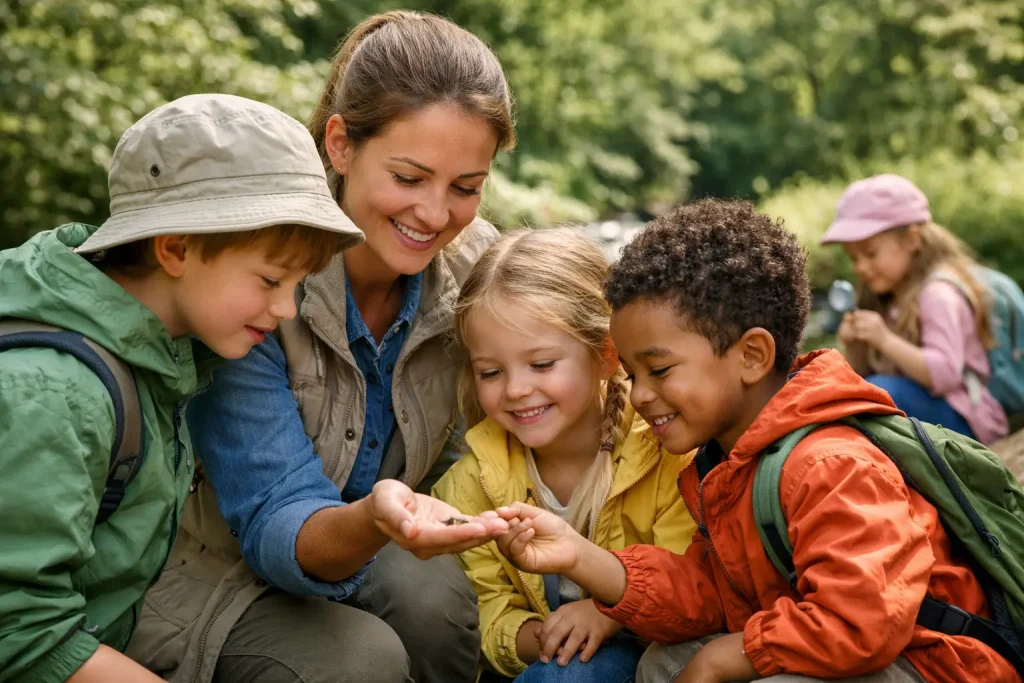
This professional judgement is often developed through supervised practice, reflective planning and years spent working with children and families. When visiting a school, notice how adults speak to children. Do they crouch to a child’s level? Do they give clear, kind boundaries? Do they listen before offering a solution? These small interactions reveal a great deal.
Observation turns play into progress
Play-based learning is most effective when it is guided by careful observation. A qualified teacher notices more than whether a child has completed an activity. They may see that a child is beginning to use longer sentences, persist with a tricky puzzle, negotiate with a friend or show an emerging interest in patterns.
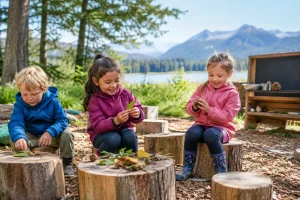
These observations help teachers choose the next invitation to learn. A child fascinated by leaves might be encouraged to sort them by shape, create a collage, compare textures or invent a story about where they came from. The activity remains playful, but the learning becomes intentional.
This approach is especially valuable in kindergarten because children do not all arrive with the same experiences, confidence or readiness. Skilled observation prevents comparisons from becoming labels. It allows teachers to celebrate progress that is meaningful for the individual child.
The qualities that cannot be measured on a certificate
Parents should expect professional qualifications, but they should also look for warmth, steadiness and respect. Young children need adults who can be playful without being chaotic, nurturing without removing independence, and structured without becoming overly rigid.
A strong teacher creates a calm rhythm to the day. Children know what comes next, yet there is room for imagination and spontaneous discovery. They are encouraged to express feelings, care for their environment, make choices and learn from mistakes.
Communication is another essential quality. Families should receive a clear picture of their child’s experiences and development, including the happy moments as well as areas where extra support may help. The most constructive conversations are honest, specific and compassionate. They make parents feel like valued partners in their child’s learning.
Cultural awareness also matters in a diverse school community. Teachers should welcome different languages, traditions, family structures and ways of communicating. When children see their home experiences treated with genuine respect, they gain a stronger sense of belonging and learn kindness towards others.
Questions worth asking when visiting a kindergarten
A school visit is a chance to look beyond polished displays and attractive facilities. Ask what early childhood qualifications teachers hold, how new staff are mentored and how the school supports ongoing professional development. Training should not end once a teacher is hired. Children’s needs, research and best practice continue to evolve.
You might also ask how teachers document progress, support children with different learning needs and manage transitions between age groups. If outdoor learning is central to the programme, ask how staff plan activities outside and assess safety without limiting exploration.
Listen for answers that are clear rather than rehearsed. A confident school can explain its approach in everyday language. It should be able to show how its curriculum, environment and teaching team work together, rather than relying on a qualification list alone.
At Alpine Preschool, trained educators bring structure and imagination together through a child-centred curriculum, nature-connected experiences and purposeful play. For families in Johor Bahru, this means children can grow their early academic foundations while still enjoying the messy, magical work of being young.
A qualification is the beginning of the relationship
The right kindergarten teacher does more than prepare children for the next classroom. They help them become confident learners who can wonder, communicate, collaborate and keep trying. Look for recognised training, sound safeguarding practice and relevant early years experience, then trust your observations of how the adults make children feel.
When a child walks into school with growing confidence, returns home eager to share a discovery, and feels proud of what they can do independently, you are seeing the real value of a well-qualified teacher in action.