
Some school events are easy to forget by the following week. Early Childhood Education Week 2026 should feel different. For parents of young children, it offers a timely pause – a chance to look closely at how little ones learn best, what kind of environment helps them flourish, and what early years education really ought to protect.
At its heart, early childhood education week 2026 is not simply about themed dress-up days or cheerful classroom displays, although those can be lovely. It is about recognising that the years from two to seven shape far more than early literacy and number awareness. They build confidence, language, emotional security, curiosity, physical coordination and the habits of learning that children carry into primary school and beyond.
Why Early Childhood Education Week 2026 matters
The early years move quickly. One month a child is hesitant to join a group activity, and soon after they are singing with confidence, asking thoughtful questions and proudly showing what they can do on their own. Because development can seem gradual day to day, parents do not always get a clear moment to reflect on just how much is happening.
That is where Early Childhood Education Week 2026 can be genuinely valuable. It brings attention back to the foundations. Not the rushed version of school readiness that focuses only on worksheets and memorisation, but the deeper readiness children need – the ability to listen, express feelings, collaborate, persist, imagine and make sense of the world around them.
For schools, the week is a chance to show families what quality early education looks like in practice. For parents, it can be reassuring. Many are trying to make careful choices in a crowded education landscape. A meaningful celebration of the early years can help them see the difference between a setting that simply keeps children busy and one that supports the whole child with real intention.
What a meaningful celebration should look like
A good early years celebration should feel joyful, but also truthful. Young children learn through play, movement, sensory experiences, stories, repetition, relationships and time outdoors. If a school marks the week by making children sit through long performances or produce polished work for adults, the message can become muddled.
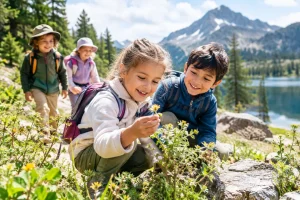
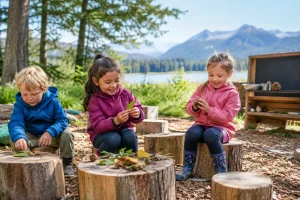
A more thoughtful approach keeps children at the centre. That might mean open-ended art, nature walks, music, storytelling circles, messy exploration, simple science activities and shared moments with families. The point is not to create a perfect display. It is to honour the way children actually grow.
There is also room for balance. Structured experiences still matter. Children benefit from routines, clear expectations and carefully designed learning opportunities. The strongest early years environments usually combine both – purposeful teaching and freedom to explore. It depends on age, temperament and stage of development, but the principle remains the same: children thrive when learning is guided without becoming rigid.
Celebration should not become pressure
Parents sometimes feel that school events create another layer of performance. Is my child speaking enough? Are they keeping up? Should they already be reading? These worries are understandable, especially when children develop so differently.
Early Childhood Education Week 2026 should gently move the conversation away from comparison. One child may be chatty and socially confident, while another is observant, thoughtful and slower to warm up. One may love mark-making outdoors; another may be fascinated by building, sorting or storytelling. High-quality early education notices these differences and responds to them rather than forcing all children into the same mould.
Ideas for schools and families during Early Childhood Education Week 2026
The most memorable activities are usually the simplest ones, especially for younger children. A family reading morning, an outdoor treasure hunt, a planting activity or a child-led exhibition of everyday classroom learning can all be more meaningful than something over-produced.
Schools may also use the week to invite parents into the learning process. That could mean sharing how play supports language development, explaining why fine motor activities matter before formal writing, or showing how outdoor experiences strengthen confidence and problem-solving. Parents often value this insight because it helps them connect what they see at home with what happens in school.
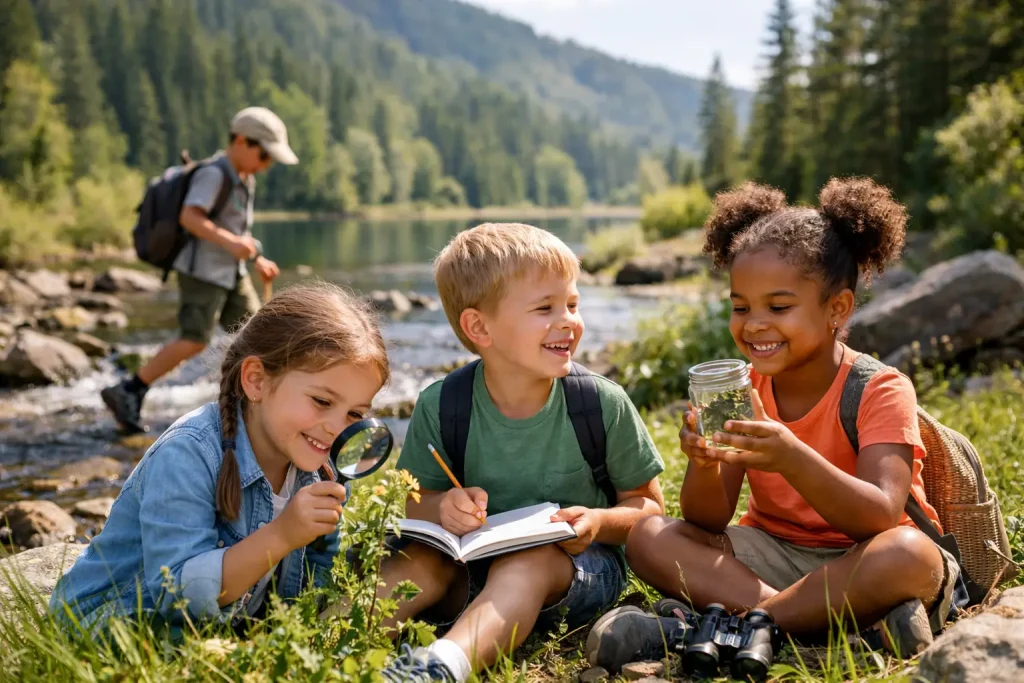
At home, families do not need a complicated plan. Reading together, cooking, noticing insects in the garden, collecting leaves, singing familiar songs and talking through daily routines all support early development beautifully. The week can be a reminder that education at this age is not confined to a classroom. Children learn through relationships and repeated, meaningful experiences.
Activities that reflect how young children learn
If schools are planning a programme for the week, it helps to choose experiences that feel alive and age-appropriate. Nature-based play works especially well because it invites movement, language, sensory discovery and imagination all at once. Water play, loose parts construction, role play corners and collaborative art also support multiple areas of development without feeling forced.
Celebrations can also include community and cultural awareness. Sharing songs, stories or traditions from different backgrounds helps children see diversity as something natural and enriching. For families who value kindness and belonging alongside learning, this matters just as much as academic progress.
What parents can look for in a preschool during this week
If you are visiting schools or paying closer attention during the week, look beyond decorations and event schedules. Notice how teachers speak to children. Watch whether children seem secure enough to explore. See if the environment feels calm, engaging and thoughtfully organised.
A strong early years setting usually shows its quality in small moments. A teacher kneeling to listen properly. Materials set out to encourage independence. Outdoor spaces used for more than just a quick run around. Children being guided with warmth and consistency. These details often reveal more than any brochure can.
Curriculum matters too, but in the early years, the best curriculum is one that respects development. Parents should feel comfortable asking how the school supports language, social confidence, creativity, physical development and early cognitive growth. Formal learning has its place, especially as children approach primary school, yet it should be built on secure foundations rather than rushed too soon.
In places such as Johor Bahru, where families may be choosing between several private early years options, school visits during celebration weeks can be especially useful. They allow parents to see whether the atmosphere matches the promises. A beautiful campus matters, but what matters more is whether children are genuinely engaged, cared for and encouraged to flourish.
The role of play, nature and guided learning
This is often where parents face mixed messages. Some are told that children need more academic drilling to stay ahead. Others hear that free play alone is enough. In reality, most children benefit from a more balanced path.
Play is not the opposite of learning. It is one of the most effective ways young children build thinking, language and self-regulation. Nature adds another layer by giving children space to test themselves physically, observe change, ask questions and use all their senses. Guided learning then helps connect these experiences to emerging concepts and skills.
That blend can be powerful. A child who counts stones in the garden, describes textures in mud play, negotiates roles in imaginative games and later joins a small-group literacy activity is not doing random tasks. They are building readiness in a rich, connected way. That is the kind of learning early years education should celebrate.
A chance to value childhood properly
There is something refreshing about a week that reminds adults to slow down and see childhood for what it is – not a race to the next stage, but a precious period of becoming. Children need challenge, yes, but they also need wonder. They need guidance, but also room to explore. They need preparation for school, but they also deserve a childhood filled with movement, discovery, friendships and joy.
That is why Early Childhood Education Week 2026 can matter far beyond one set of activities. It invites schools and families to ask better questions. Are children being known well? Are they learning in ways that match their development? Are they given space to grow in confidence, kindness and curiosity as well as knowledge?
At Alpine Preschool, this understanding sits at the centre of the early years journey: children flourish most when thoughtful teaching, purposeful play and nature-connected experiences work together. However you choose to mark the week, the most valuable outcome is simple – helping children feel safe, seen and excited to learn.