


A well-planned year often feels calmer before it even begins. For families with young children, an early childhood education calendar 2026 is more than a set of dates on the fridge – it is a gentle way to prepare for transitions, protect family time, and help children move through the year with confidence.
In the early years, children thrive when life feels predictable but still full of discovery. A thoughtful calendar helps parents see the rhythm of the school year ahead, from term starts and holiday breaks to celebrations, excursions, assessment points and rest periods. It also gives children something equally valuable – the security of knowing what comes next.
Why the early childhood education calendar 2026 matters
For adults, calendars are practical. For children, they are emotional anchors. When a child knows that school begins after a holiday, that a nature walk happens on Fridays, or that a festive celebration is coming later in the term, the world feels easier to understand.
That does not mean every day should be tightly scheduled. In fact, young children need spaciousness. They need time to play, imagine, notice insects in the garden, build confidence in routines and then occasionally enjoy something unexpected. The value of the early childhood education calendar 2026 lies in balance. It offers structure without making childhood feel rushed.
For parents, this kind of yearly view can also make decision-making far less stressful. You can anticipate busier periods, book family trips during school breaks, prepare for settling-in weeks, and avoid last-minute disruptions. If your child is starting playgroup, nursery or kindergarten for the first time, seeing the year mapped out can make the whole experience feel more reassuring.
What to include in an early years calendar
A strong calendar for early childhood education should do more than show term dates. It should reflect the full life of a child in school. That includes academic rhythm, social moments, outdoor learning, developmental checkpoints and family communication.
Start with the obvious foundation: term start and end dates, public holidays and school holiday periods. These are the fixed points that shape the year. From there, it helps to add settling-in periods, parent meetings, special events and any seasonal activities that children can look forward to.
In a high-quality early years setting, the calendar often mirrors child development as much as logistics. The beginning of the year may focus on attachment, routine and confidence-building. Mid-year may place more emphasis on independence, communication, early literacy or collaborative play. Later terms might bring greater readiness for the next stage, whether that is moving from nursery to kindergarten or preparing for primary school expectations.
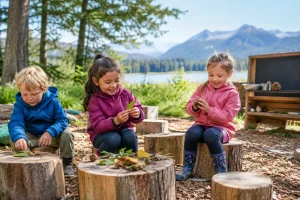
Outdoor experiences deserve a visible place too. For many families, some of the most meaningful preschool memories come from garden exploration, water play, sensory discovery, mini excursions and holiday programmes that feel joyful rather than pressured. These moments are not extras. They are part of how children make sense of the world.
Planning term dates around real family life
Every family wants consistency, but every family also has its own pace. Some children settle quickly into school routines. Others need a slower start, especially after long breaks or major changes at home. That is why the most helpful calendar is not just accurate – it is humane.
When you look at your 2026 calendar, think beyond attendance. Consider sleep routines, transport, meal times and emotional energy. The first week after a holiday, for example, may call for earlier bedtimes and quieter evenings. A child who has coped beautifully in one term may still need extra reassurance at the start of the next.
It also helps to leave breathing room around busy school periods. If a concert, celebration day or class event is approaching, children can become more tired or emotionally full than usual. Parents often find that protecting a calm weekend before or after these moments makes a noticeable difference.
This is especially true in the early years because young children are still learning how to manage stimulation. A calendar should support their wellbeing, not simply maximise activity.
School events that genuinely support development
Some school calendars are crowded with events that look impressive on paper but do little for a child’s growth. In early childhood education, quality matters far more than quantity.
The best events are those that connect with how children learn. Seasonal celebrations can build cultural awareness and belonging. Sports or movement days can strengthen confidence, coordination and teamwork. Parent-child activities can reinforce connection between home and school. Excursions can turn abstract ideas into real experiences.
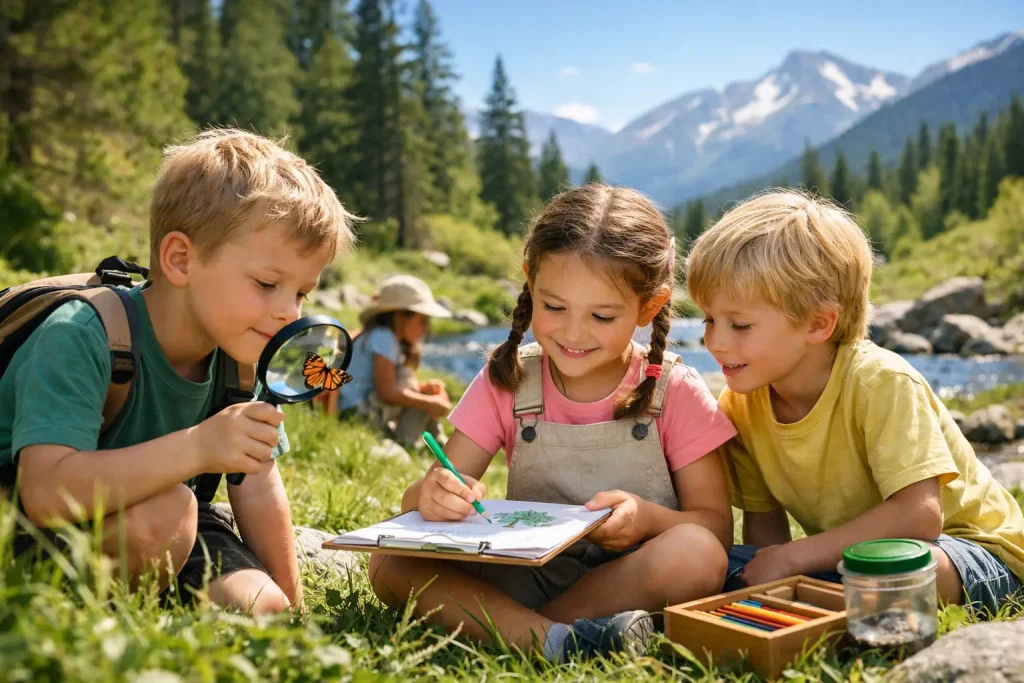
Nature-based events are especially valuable in the early years. When children plant, dig, observe weather changes or explore outdoor textures, they are not simply having fun. They are building language, self-regulation, curiosity and resilience. A calendar that includes outdoor learning throughout the year, rather than as an occasional treat, usually reflects a more thoughtful educational approach.
That is one reason many families look closely at how a preschool structures its yearly rhythm. A school that plans meaningful experiences across the calendar often shows the same care in its curriculum, teaching and environment.
Using the early childhood education calendar 2026 at home
A school calendar becomes even more useful when it is made visible and child-friendly at home. Young children do not need every date explained in detail, but they do benefit from seeing simple patterns.
You might talk about school days and home days, count how many sleeps until a celebration, or mention that after this term there will be a holiday. This helps children develop a basic sense of time, which is still emerging in the early years. More importantly, it reduces uncertainty.
Visual cues can help. Some families use colours for school days, outings and holidays. Others keep it conversational, mentioning upcoming events at breakfast or bedtime. What matters is not making home feel like an extension of school. It is helping children connect their experiences in a calm, predictable way.
If your child tends to worry about change, a softer approach works best. Rather than announcing too many future events at once, mention the next one or two milestones. For more confident children, looking ahead can become exciting and motivating.
What parents should ask when reviewing a school calendar
Not every calendar reveals the same level of care. Two schools may list similar term dates, but the experience behind those dates can be very different.
It is worth asking how the year supports transitions between age groups, how often parents are updated, and whether the balance of indoor and outdoor learning stays consistent across terms. You may also want to understand how special events fit into the curriculum rather than interrupt it.
Holiday camps, enrichment days and seasonal celebrations can be wonderful, but they should feel purposeful and age-appropriate. Younger children benefit when experiences are sensory, social and playful. Older children in the early years may be ready for more responsibility, longer projects and stronger school-readiness routines. A well-designed calendar respects these developmental differences.
For families in Johor Bahru, especially around Taman Impian Emas, Bandar Dato Onn and Setia Tropika, a school’s calendar can also affect everyday ease. Travel time, local holiday patterns and practical scheduling all shape whether the year feels smooth or strained.
A calendar should reflect a philosophy, not just administration
This is the part parents sometimes overlook. A school calendar quietly reveals what a setting values.
If the year is built around children’s development, you will often see room for exploration, celebration, rest and progression. There will be signs of thoughtful sequencing. Younger children may begin with gentle adaptation. As confidence grows, activities expand. By the later part of the year, children are often more independent, expressive and ready for the next stage.
If a school prioritises whole-child growth, the calendar usually includes more than formal learning goals. It makes space for creativity, sensory experiences, kindness, movement and connection with nature. That rhythm can shape a child’s confidence in lasting ways.
At Alpine Preschool, this kind of yearly planning is part of creating a magical place where children flourish with nature, routine and meaningful experiences. For many parents, that combination of warmth and structure is exactly what makes the early years feel so special.
As you plan ahead, choose an early childhood education calendar 2026 that gives your child both roots and room – enough structure to feel safe, and enough wonder to keep learning joyful.