


The first morning of Primary Standard 1 can feel bigger than a new uniform and a packed school bag. Your child may be excited one moment and quiet the next, while you wonder how to ensure your child is ready for Primary Standard 1 without turning the months beforehand into a race for worksheets. The most reassuring answer is this: readiness is not about knowing everything already. It is about feeling secure enough to try, communicate, participate and keep going when something feels new.
A confident start grows from many small experiences. Children who have had time to play, ask questions, solve simple problems and practise everyday independence often arrive at primary school with a strong foundation – even if they are still learning to tie a shoelace or write every letter neatly.
What Primary Standard 1 readiness really looks like
Primary school brings a different rhythm. There may be longer periods of sitting and listening, clearer routines, more children in a class and greater expectations around completing tasks. Yet a child does not need to enter Standard 1 reading fluently, adding large numbers or working independently for hours.
More useful signs of readiness include being able to separate from a parent or carer calmly, follow a short sequence of instructions and express a need such as, “I do not understand” or “May I have some help?” They can take turns, cope with small disappointments and return to a task after encouragement. These social and emotional skills make academic learning far more accessible.
Readiness also looks different from one child to another. A highly verbal child may need support with patience and sharing. A quieter child may be wonderfully observant but need time to feel comfortable speaking in a group. The goal is not to create a child who never feels nervous. It is to help them trust that they can manage new situations with caring adults nearby.
How to ensure your child is ready for Primary Standard 1
Build independence into ordinary routines
The easiest preparation happens at home, often in the unremarkable parts of the day. Invite your child to dress themselves, put toys away, open lunch containers, wash their hands thoroughly and carry their own small bag. These tasks build capability because children can see the direct result of their effort.
Start with enough time to let them try. It may be quicker to fasten every button yourself, especially on a busy morning, but repeated practice matters. Offer specific encouragement: “You kept trying until that zip moved,” rather than simply saying, “Good job.” This helps children connect effort with progress.
It is also helpful for children to practise looking after their belongings. Label their water bottle, pencil case and jumper, then involve them in checking that each item returns home. At school, remembering where a book or lunch box belongs is one more way a child learns, “I can do this.”
Strengthen communication, not just vocabulary
Children need language for friendship, learning and problem-solving. Reading stories together is a beautiful way to develop this. Pause to ask what a character might feel, what could happen next or how your child would solve a problem. These conversations nurture imagination while helping children understand emotions and different points of view.
In daily life, encourage your child to speak to familiar adults when appropriate. They might order their own drink at a café, greet a neighbour or tell a grandparent about an outing. There is no need to force a shy child into performing. Gentle opportunities, offered regularly, are more effective than pressure.
Teach a few practical phrases they can use at school: “Can you show me?”, “Can I play?”, “I need help,” and “I am still using that.” These simple words give children a respectful way to join in, set boundaries and ask for support.
Make listening and attention playful
Primary school requires children to listen, but listening does not need to be taught through long, formal lessons. Try games such as Simon Says, treasure hunts with two or three instructions, or cooking together from a simple recipe. Ask your child to collect a spoon, a bowl and an apple, then celebrate when they remember the sequence.
Board games, building projects and jigsaws also develop attention, turn-taking and perseverance. Choose activities that are just challenging enough. If everything is too easy, children do not experience the satisfaction of working through a difficulty; if it is too hard, frustration can take over.
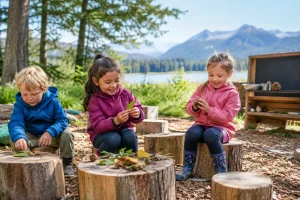
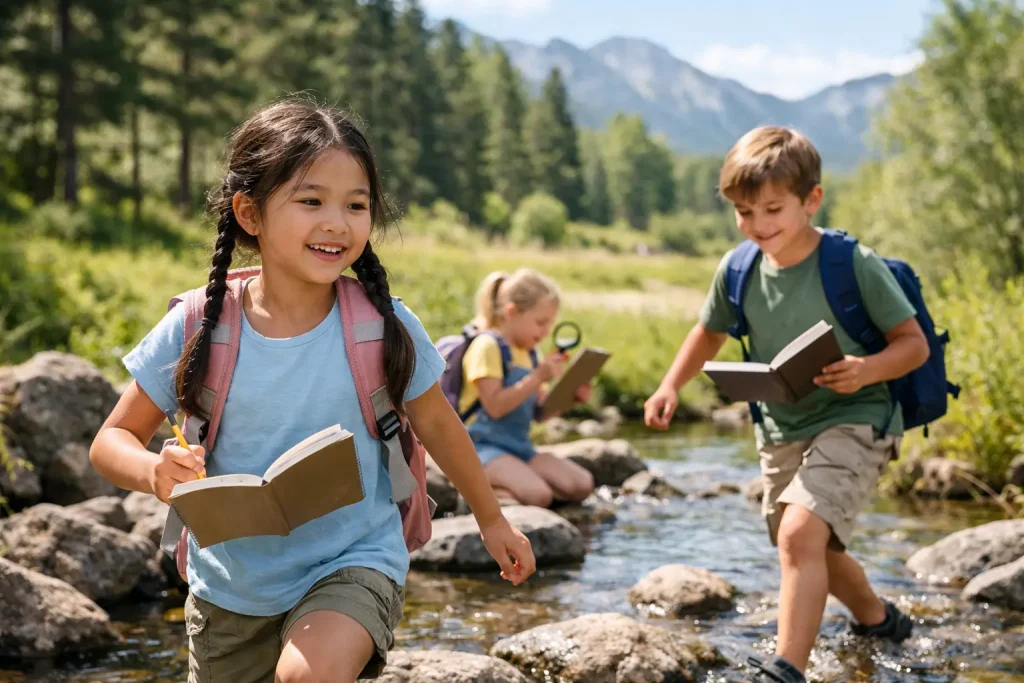
Outdoor play is equally valuable. Balancing on logs, climbing safely, digging in soil and noticing insects develop coordination, curiosity and sensory awareness. A child who has explored the world with their hands and body brings rich experiences into the classroom, where they can connect new ideas to what they already know.
Give early literacy and numeracy a meaningful purpose
Children benefit from familiarity with books, sounds, marks, numbers and patterns. However, the most lasting learning happens when these ideas belong to real life. Point out letters on signs, clap the syllables in family names, look for rhyming words and let your child choose books they genuinely enjoy.
For writing, focus first on hand strength, control and confidence. Drawing, painting, threading beads, using playdough and cutting with child-safe scissors all prepare little hands for pencils. Invite your child to write their name if they are interested, but avoid correcting every imperfect letter. Early attempts are part of learning.
Maths can live in the kitchen, garden and supermarket. Count tomatoes into a bag, compare which leaf is larger, sort socks by colour or notice patterns in tiles. Use words such as more, less, heavier, lighter, first and last. These experiences build number sense without making maths feel like a test.
Practise coping with feelings and setbacks
A new school day can bring tiredness, confusion, friendship worries and the occasional forgotten item. Children are better prepared when they know difficult feelings are manageable, rather than something to hide or avoid.
Name emotions in calm moments: disappointed, worried, proud, frustrated and excited. Then talk about what may help. A child might take a slow breath, have a drink of water, ask a teacher for help or try again after a short pause. You can role-play common scenarios, such as not being chosen first for a game or finding a worksheet tricky.
Be careful not to over-reassure every worry away. Saying, “You will be fine,” is loving, but “It makes sense to feel nervous about a new class, and you will have people to help you” gives a child both comfort and confidence. They learn that bravery is not the absence of nerves. It is taking the next small step despite them.
Choose preparation that protects childhood
It can be tempting to fill every afternoon with tuition, practice books and adult-led activities. Some children enjoy structured learning and may benefit from a little focused practice, particularly if a school has clear entry expectations. But too much pressure can make school feel like something to endure before it has even begun.
A balanced early years education gives children space to create, move, question and collaborate alongside developing foundational skills. At Alpine Preschool, play-based and nature-connected experiences are designed to support this whole-child growth: children learn to think, communicate and care for themselves and others while remaining joyfully engaged.
Keep an eye on your child’s cues. If they are eager to write a birthday card or count their toy animals, join them. If they are tired, restless or resisting, step back and choose a different moment. Readiness develops over time, not through constant correction.
Create a calm transition to the new school
As the first day approaches, make the unfamiliar more familiar. If possible, visit the school surroundings, practise the journey and talk through what morning drop-off may look like. Let your child help choose a water bottle or organise their bag. Small choices can make a large transition feel more within their control.
Establish a predictable bedtime and morning routine a few weeks beforehand, particularly if the school day will begin earlier than preschool. Keep conversations positive but honest. Explain that there will be new teachers, new friends and new things to learn, and that it may take time to know everyone.
On the day itself, aim for a warm, brief goodbye. Lingering because your child is upset can sometimes make separation harder, whereas a clear routine helps them understand that you will return. Let the teacher know of any concerns, then allow your child the opportunity to settle into their own new world.
Your child does not need to arrive at Standard 1 as a miniature adult. They need a secure sense of belonging, a growing belief in their own abilities and the freedom to remain curious. When preparation is rooted in connection, everyday practice and the pleasure of learning, school becomes not a daunting leap, but the next exciting place for them to flourish.