A child who once needed a gentle reminder to pack away the blocks may soon be proudly organising a role-play café, explaining its menu, and inviting friends to join. That is the meaningful shift parents often notice when comparing kindergarten 1 vs kindergarten 2. Both years should feel joyful, active and full of discovery, yet each has a distinct role in helping a child grow.
For families, the question is rarely about which year is ‘harder’. It is about understanding what children are ready for now, how they learn best, and how a thoughtful programme can prepare them for the next stage without hurrying their childhood.
Kindergarten 1 vs Kindergarten 2: the core difference
Kindergarten 1, often known as K1, is a year of expanding confidence. Children move beyond early routines and begin to use their growing language, attention and independence to participate more fully in group learning. They are encouraged to ask questions, share ideas, make choices and persist when an activity takes more than one attempt.
Kindergarten 2, or K2, builds on those foundations with greater purpose. It supports children as they connect ideas, communicate more clearly, manage responsibilities and develop the learning habits that will help them feel secure when they begin primary school.
The transition is not a sudden leap from play to formal lessons. Children still need movement, imagination, outdoor time, stories, sensory materials and warm relationships. The difference is that, in K2, these experiences are used with more deliberate opportunities for children to apply what they know.
What children typically experience in Kindergarten 1
K1 is a particularly exciting stage because children are becoming more aware of themselves as capable learners. They may be eager to write their name, recognise familiar words, count objects accurately or tell a detailed story about their weekend. At the same time, they are still learning to cope with disappointment, wait for a turn and solve small social problems with support.
Learning through curiosity and connection
A strong K1 programme introduces early literacy and numeracy through meaningful experiences. A child might clap out syllables in names, match sounds to letters, compare the lengths of leaves collected outdoors, or use counting while preparing pretend meals in a play kitchen. The goal is not to rush through worksheets. It is to help children see that language and number are useful, interesting and part of everyday life.
Teachers also encourage children to extend their thinking. Rather than simply naming an insect found in the garden, children may wonder where it lives, what it eats and how to care for its habitat. This kind of enquiry strengthens vocabulary, observation and confidence in asking questions.
Growing independence and friendships
K1 children are often ready for more responsibility within the classroom. They may help prepare materials, look after a class plant, choose an activity and complete a task before moving on. These routines develop executive function – the ability to focus, remember instructions and manage actions – in ways that feel natural to a young child.
Friendships also become more complex. Children learn that others may have different ideas and that games sometimes need negotiation. Gentle guidance from trained teachers helps them practise kind words, empathy and simple conflict resolution. These social skills matter just as much as recognising letters or numbers.
What changes in Kindergarten 2
In K2, children are usually more able to listen for longer periods, hold several ideas in mind and explain their reasoning. They are not expected to become miniature primary school pupils. Instead, the programme should honour their need for active learning while helping them become more confident, organised and adaptable.
Stronger foundations for literacy and numeracy
K2 learning typically develops early reading, writing and mathematical understanding in greater depth. Children may blend sounds to read simple words, write short messages, retell stories in sequence and use richer vocabulary to describe their thoughts. Fine motor activities remain valuable, as comfortable pencil control develops through drawing, painting, construction, cutting and purposeful writing.
In maths, children move from counting by rote towards understanding quantity and relationships. They might sort and classify natural objects, create patterns, compare measures, explore shapes, or work out how many more cups are needed for everyone at snack time. A child who understands why an answer makes sense is building a far stronger foundation than one who has merely memorised it.
Readiness for a new environment
School readiness is often misunderstood as an academic checklist. Knowing letters and numbers is helpful, but readiness also includes being able to enter a new space with confidence, follow routines, care for belongings, ask for help and recover after a mistake.
K2 offers regular chances to practise these skills. A child may plan a small project with classmates, take a classroom role, present an idea to the group or complete a multi-step activity. These moments nurture independence without leaving children to manage alone. The teacher remains a reassuring guide, gradually giving each child the space to lead.
Why play and nature still matter in both years
Some parents worry that a play-based approach may not prepare a child for primary school. In reality, purposeful play is one of the most effective ways young children make sense of complex ideas. Building a bridge from wooden blocks involves planning, balance, measurement and perseverance. Acting out a story develops language, memory and empathy. Gardening invites children to observe change, care for living things and experience cause and effect.
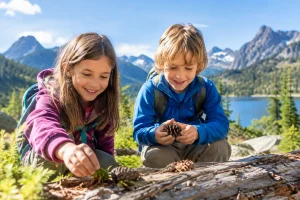
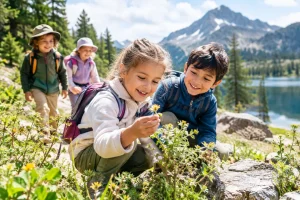
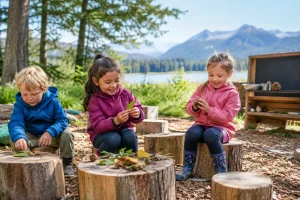
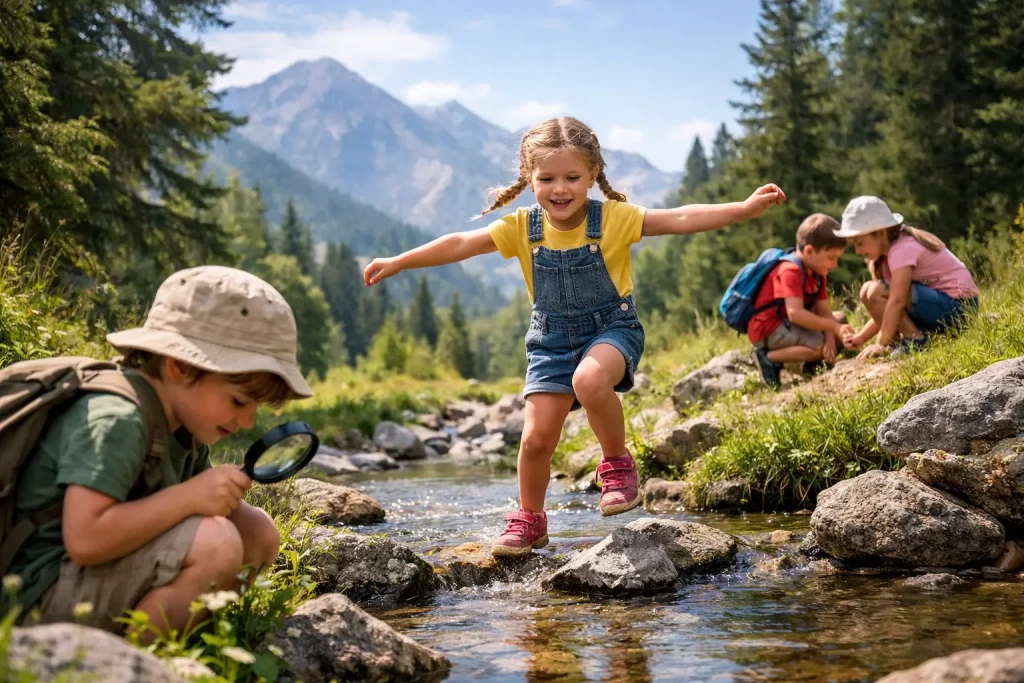
Outdoor learning is especially valuable during the K1 and K2 years. Uneven ground, loose parts, water, sand and open-ended natural materials challenge children to assess risk, collaborate and use their whole bodies. After time outside, many children return indoors calmer, more focused and ready to engage.
At Alpine Preschool, this balance is central to the learning experience. Purposeful classroom learning, expansive green spaces and outdoor exploration give children room to build academic foundations while protecting the wonder that makes early childhood so magical.
How to know which stage your child needs
Age is usually the starting point for K1 and K2 placement, but developmental readiness deserves equal attention. Children grow at different rates. One child may be eager to write stories but need support when joining a group, while another may be socially confident and still be refining their speech sounds or pencil grip.
The right setting observes the whole child rather than making assumptions based on one skill. Parents can look for teachers who share specific observations: how a child approaches challenges, interacts with peers, communicates needs and responds to new routines. These insights are more useful than a single piece of completed work sent home in a folder.
It is also worth considering a child’s temperament. A quieter child does not necessarily need less challenge; they may need time, familiarity and sensitive encouragement before showing what they know. An energetic child does not necessarily need stricter learning; they may thrive when movement and hands-on discovery are woven into the day.
Supporting the transition at home
The most helpful preparation is usually simple and unpressured. Read together every day, allowing your child to talk about pictures and predict what may happen next. Invite them to count socks, help set the table, sort laundry by colour or notice shapes on a walk. Encourage them to dress independently, pack away toys and use words when a problem arises.
Avoid turning home into an extension of the classroom. If a child resists practising letters or numbers, return to play, conversation and shared experiences. Confidence grows when children feel safe to try, not when they fear getting an answer wrong.
A good kindergarten journey gives children more than early academic knowledge. It gives them the quiet confidence to say, ‘I can try’, the kindness to include another child, and the curiosity to keep asking why. Those are the qualities worth carrying into the next classroom and far beyond it.